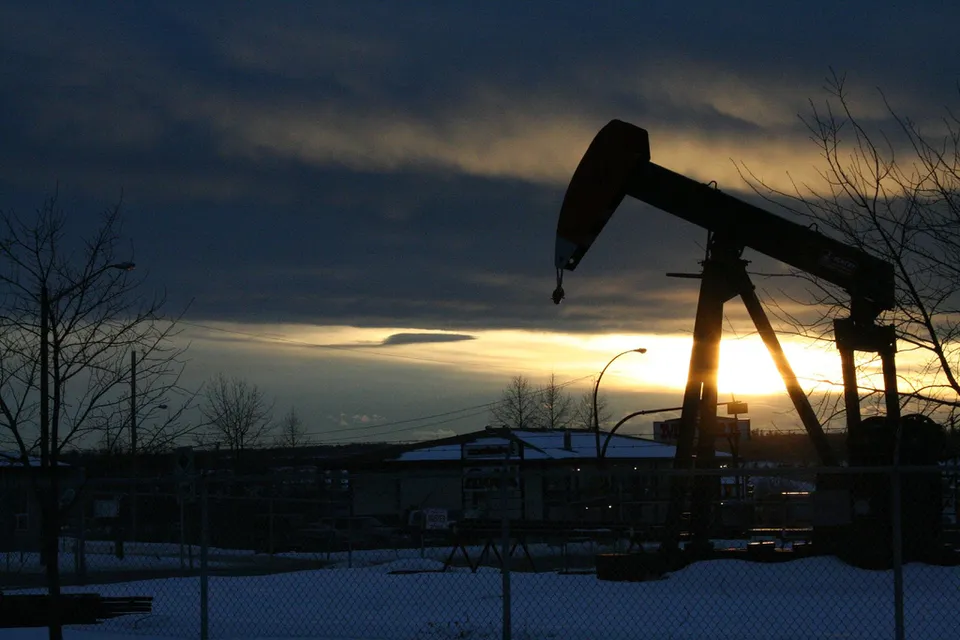
The group of oil producers known as OPEC+ is poised to raise its output targets again, approving a further increase of roughly 188,000 barrels per day for August, sources told CNBC. It would be the latest in a series of monthly increases through which the group has been steadily restoring supply it had held back.
Unwinding the cuts
The August step continues a phased return of production the alliance, which brings together OPEC members and partners led by Russia, had voluntarily removed from the market in 2023 to support prices. A core group of members has raised quotas each month since the spring, adding close to 800,000 barrels a day between April and July, The National reported. The group has said it retains the flexibility to pause or reverse the increases if the market weakens.
The steady increases mark a strategic shift for the producers, who spent recent years defending prices through restraint and are now moving to reclaim market share, even at the cost of softer prices.
Barrels on paper
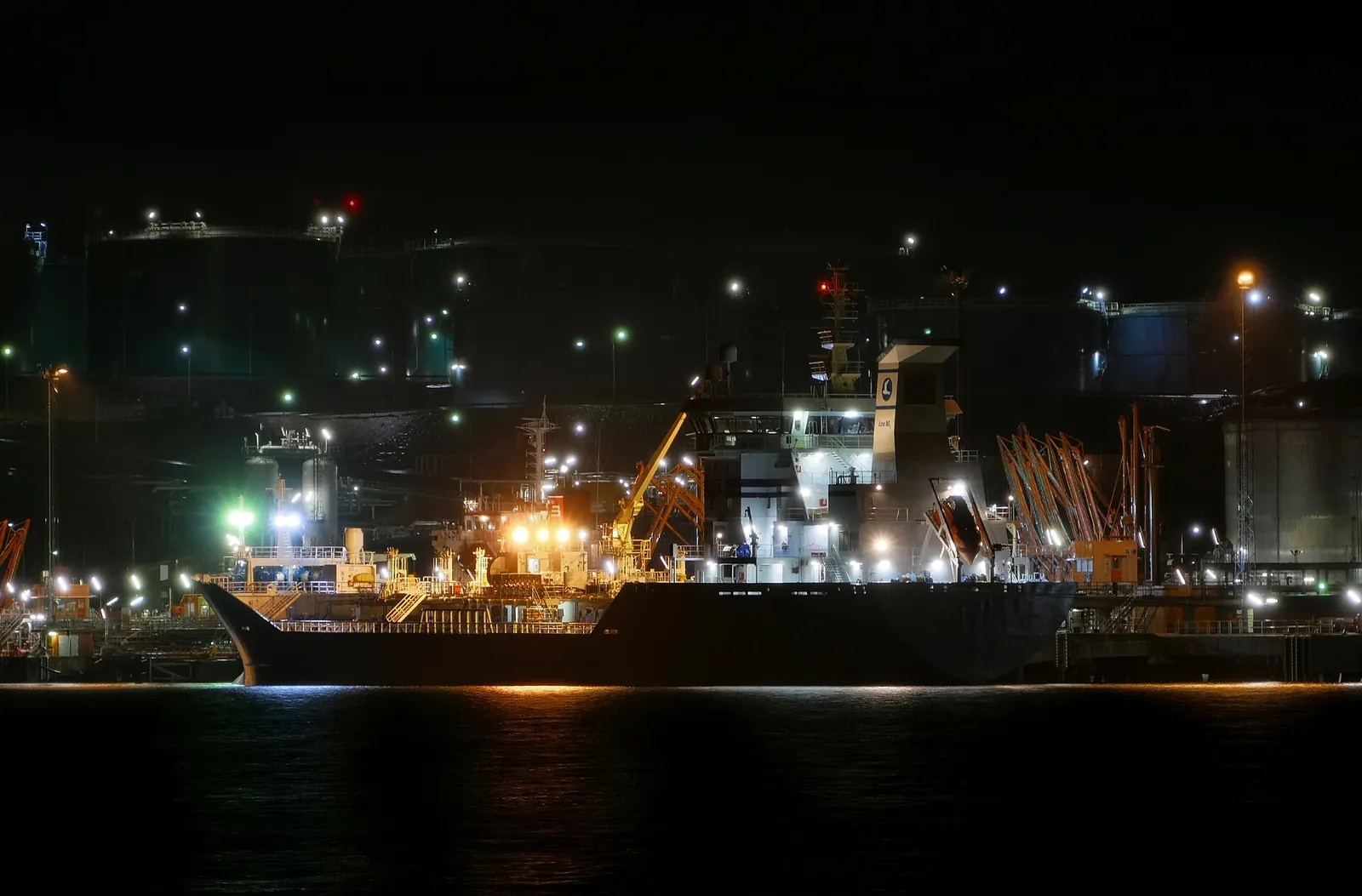
For all the announced increases, much of the additional supply has yet to reach buyers. This year's closure of the Strait of Hormuz, the narrow waterway through which a large share of Gulf oil is shipped, following the conflict involving Iran, has choked off exports from some of the group's biggest producers. As a result, higher quotas have translated only partly into higher actual flows, leaving a gap between what OPEC+ has authorized on paper and what is physically leaving its ports.
A softer market
The backdrop to the decision is a market that has cooled from earlier in the year. Oil prices, which spiked during the height of the Middle East disruption, have eased back as shipping through the strait gradually resumed and traders refocused on the prospect of ample supply later in the year. Analysts have increasingly warned of a looming surplus in 2026 if demand stays subdued and the group keeps adding barrels.
That leaves OPEC+ walking a familiar line: signaling unity and a willingness to supply the market, while trying not to accelerate a slide in prices that would hurt the very economies the group depends on. By approving another modest increase but keeping the option to change course, the producers are betting they can manage that balance as the geopolitical and commercial picture continues to shift.