The United States is hosting two of the largest public gatherings in its recent history at once: the FIFA World Cup, spread across cities over several weeks, and the celebrations marking the country's 250th anniversary. Securing them has prompted an expansion of surveillance and security technology, and a debate over how far it should go.
What is being deployed
Much of the visible effort centers on the skies. In January, the Department of Homeland Security announced a new office to coordinate drone and counter-drone technology, describing the work as central to protecting World Cup venues and anniversary events. Federal grants have prioritized funding for the states hosting World Cup matches and for the Washington, DC region, where national celebrations are focused, to buy systems that can detect and stop unauthorized drones.
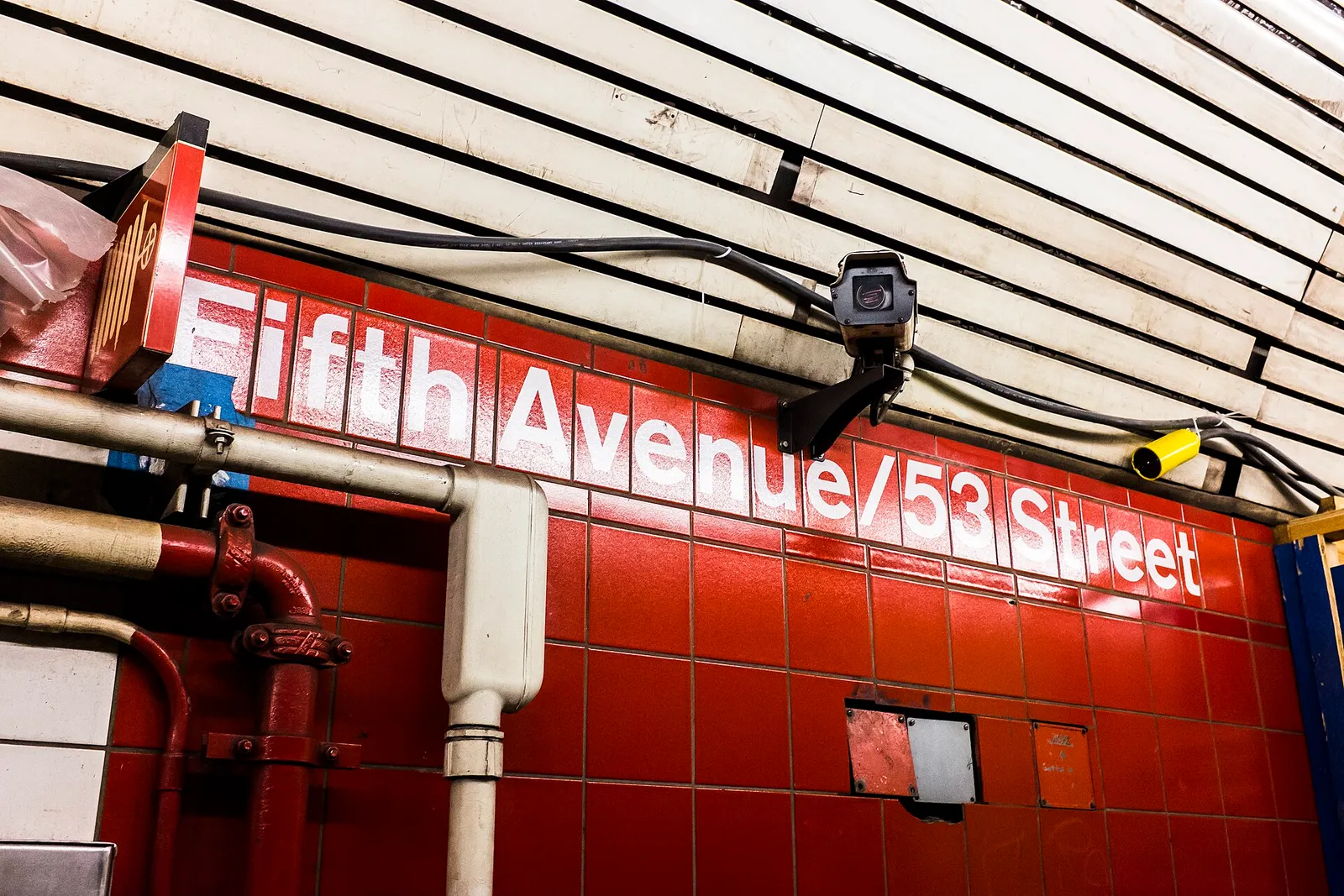
On the ground, host venues and cities have leaned on tools that are becoming common at large events: networks of cameras, biometric and facial-recognition systems for faster stadium entry, and heightened, airport-style screening at flagship gatherings. Major July 4 events were treated as high-security occasions, with tightened air restrictions and access controls.
The case from officials
Authorities frame the buildup as proportionate to the risk. They point to the challenge of protecting very large crowds spread across many sites and days, and to the specific threat posed by drones flying over stadiums and packed public spaces. In that telling, counter-drone systems, screening and camera networks are standard tools for keeping major international events safe, and the scale simply reflects the scale of the events.
The civil-liberties objection
Rights groups see reason for caution. In April, the American Civil Liberties Union and Amnesty International, with more than 120 organizations, issued a travel advisory for visitors to the United States, warning of risks including invasive social-media screening, aggressive immigration enforcement and expanded surveillance, as Al Jazeera reported. Their central worry is not any single camera or drone but the accumulation of monitoring, and what happens to it afterward.
Privacy advocates note a recurring pattern: surveillance infrastructure installed for a big event often stays in place once the crowds leave, becoming part of everyday policing. They argue that biometric data and camera systems adopted quickly, under the banner of security, deserve clear limits on how long data is kept, who can access it, and what it can later be used for.
An unresolved balance
The tension is not new, but the twin events have sharpened it. Supporters say robust security is the price of hosting the world; critics say the same tools, normalized at a celebration, can quietly reshape the baseline of surveillance for residents who never bought a ticket. Both points can be true at once, which is why the lasting question is less about the summer of 2026 than about what remains switched on after it.