The UK has cancelled a flagship program that funded higher education for women and girls in developing countries after roughly two years, according to reporting on the government's latest aid decisions. The closure is among the more prominent effects of sharp reductions to Britain's overseas aid spending.
A program cut short
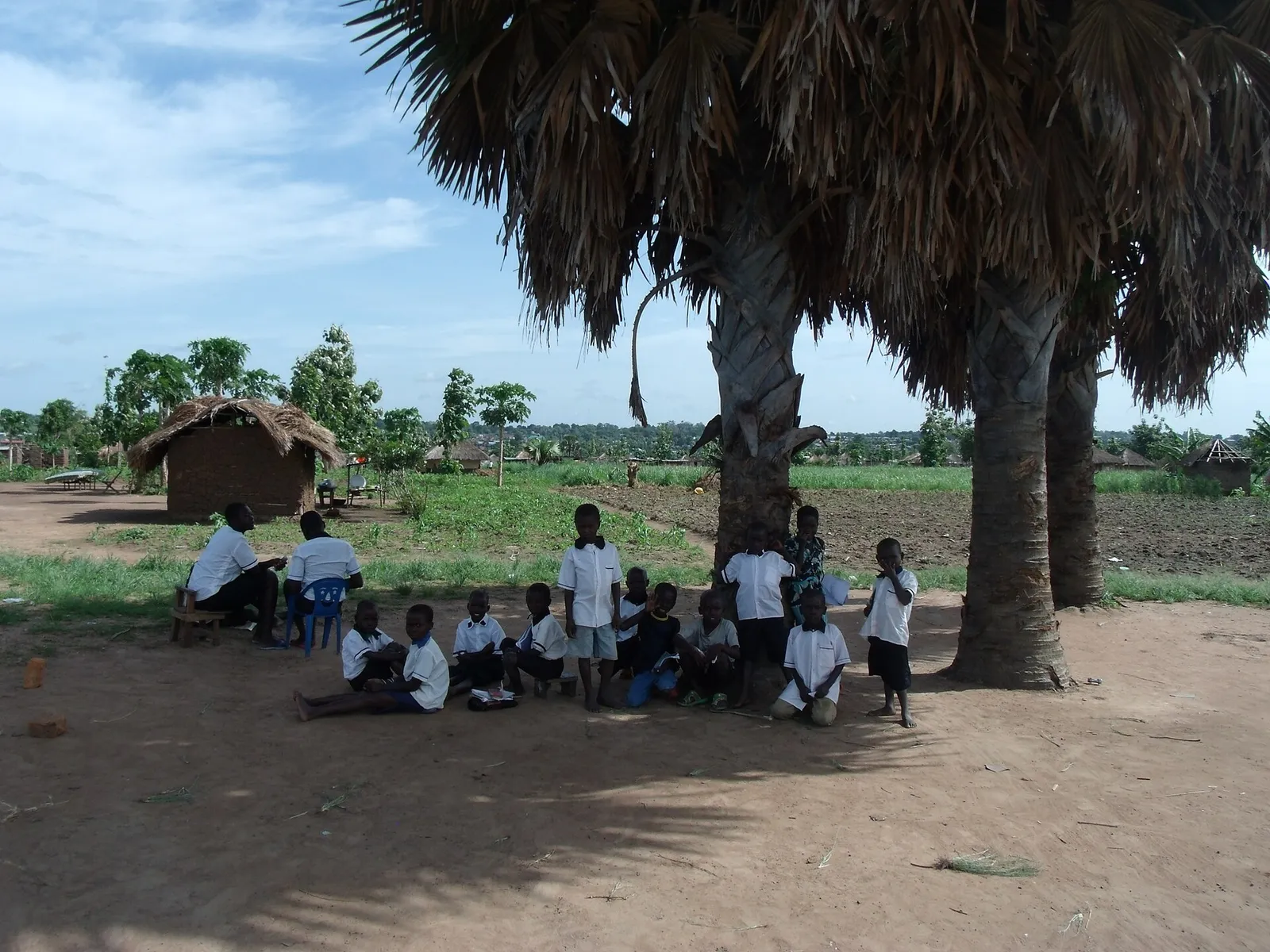
The scheme, known as SHEFE, was designed to widen access to higher education for women and girls in lower-income countries, part of a long-standing British emphasis on girls' education as a development priority. Advocates argue such programs have benefits beyond the classroom: girls who continue into higher education are markedly less likely to marry as children or to experience violence from a partner.
People working in development and education said the decision to scrap SHEFE was the latest to undermine the government's professed commitment to women and girls, as the sector body Bond has documented in tracking the FCDO's aid allocations. The Foreign, Commonwealth and Development Office's dedicated girls' education work has been hit particularly hard, losing roughly half of its funding, with education support also reduced in countries including Ethiopia, Sierra Leone, Nigeria and Zimbabwe.
The wider aid squeeze
The cut flows from a broader decision to shrink the aid budget. In 2025 the then prime minister, Keir Starmer, announced that UK overseas aid would fall from 0.5% to 0.3% of gross national income by 2027, its lowest level since comparable records began, with the government saying the money would help fund higher defence spending, as the House of Lords Library has set out.
Ministers have argued that a smaller budget forces hard choices and a focus on fewer priorities. Critics counter that programs for women and girls have borne a disproportionate share of the reductions.
Reaction
The Labour MP Bambos Charalambous, who chairs the all-party parliamentary group on global education, said he was "alarmed that a flagship higher education programme designed to empower women and girls and help them achieve their potential appears to have been scrapped because of the aid cuts." Development organizations have made similar warnings, arguing that pulling support midway through multi-year programs can waste earlier investment and disrupt the students and institutions that had come to depend on it.
The government has defended the overall approach as a necessary response to constrained finances. For now, the closure of SHEFE stands as a concrete example of how those budget decisions are reshaping where, and on whom, British aid is spent.