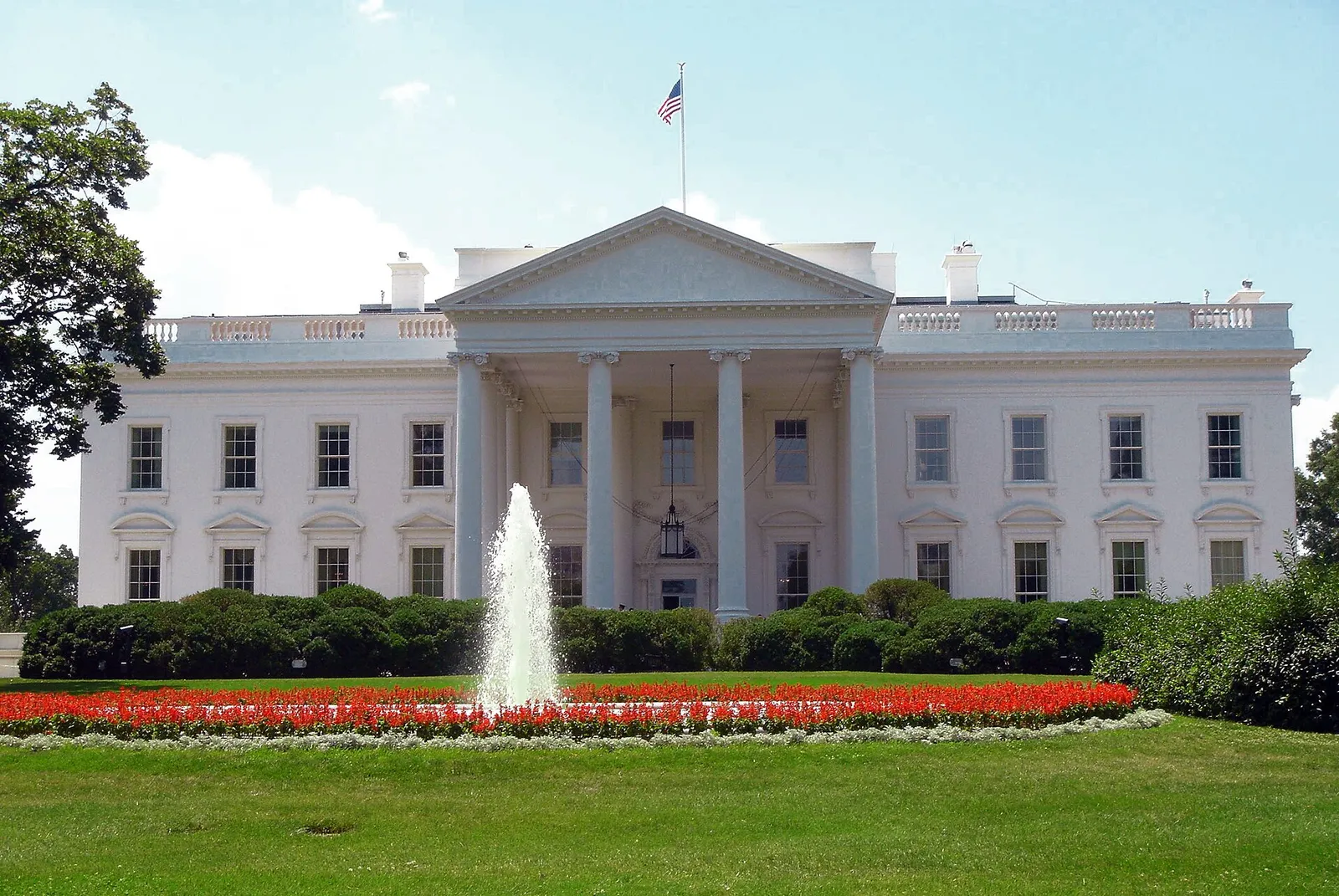
The United States marked its 250th birthday on July 4 with its biggest celebration in the capital repeatedly disrupted, first by extreme heat and then by evening thunderstorms that forced crowds off the National Mall. The main events went ahead, but on a heavily altered timetable.
Heat forces early changes
Temperatures in Washington climbed to around 102 degrees Fahrenheit, with heat-index values of 110 to 115 degrees, and the National Weather Service issued an Extreme Heat Warning for the District. Organizers responded by canceling the traditional National Independence Day Parade and delaying the opening of the National Mall to later in the afternoon, The Hill reported. Officials urged attendees to hydrate and take shelter from the sun, and free public-transit hours were extended to help people get to and from the Mall.
The disruption was not limited to the parade. Across the mid-Atlantic and Northeast, the heat forced organizers to cancel, postpone or move indoors a range of Fourth of July events, and the Great American State Fair in Washington had already closed temporarily during the hottest stretch, as The Washington Post reported.
Storms clear the Mall
As evening came, the threat shifted from heat to severe weather. With thunderstorms approaching, officials ordered the National Mall evacuated, directing tens of thousands of people to shelter in nearby federal buildings and museums for roughly two hours before the site reopened. The storms knocked out power to large numbers of homes across the region as they moved through.
A late-night finish
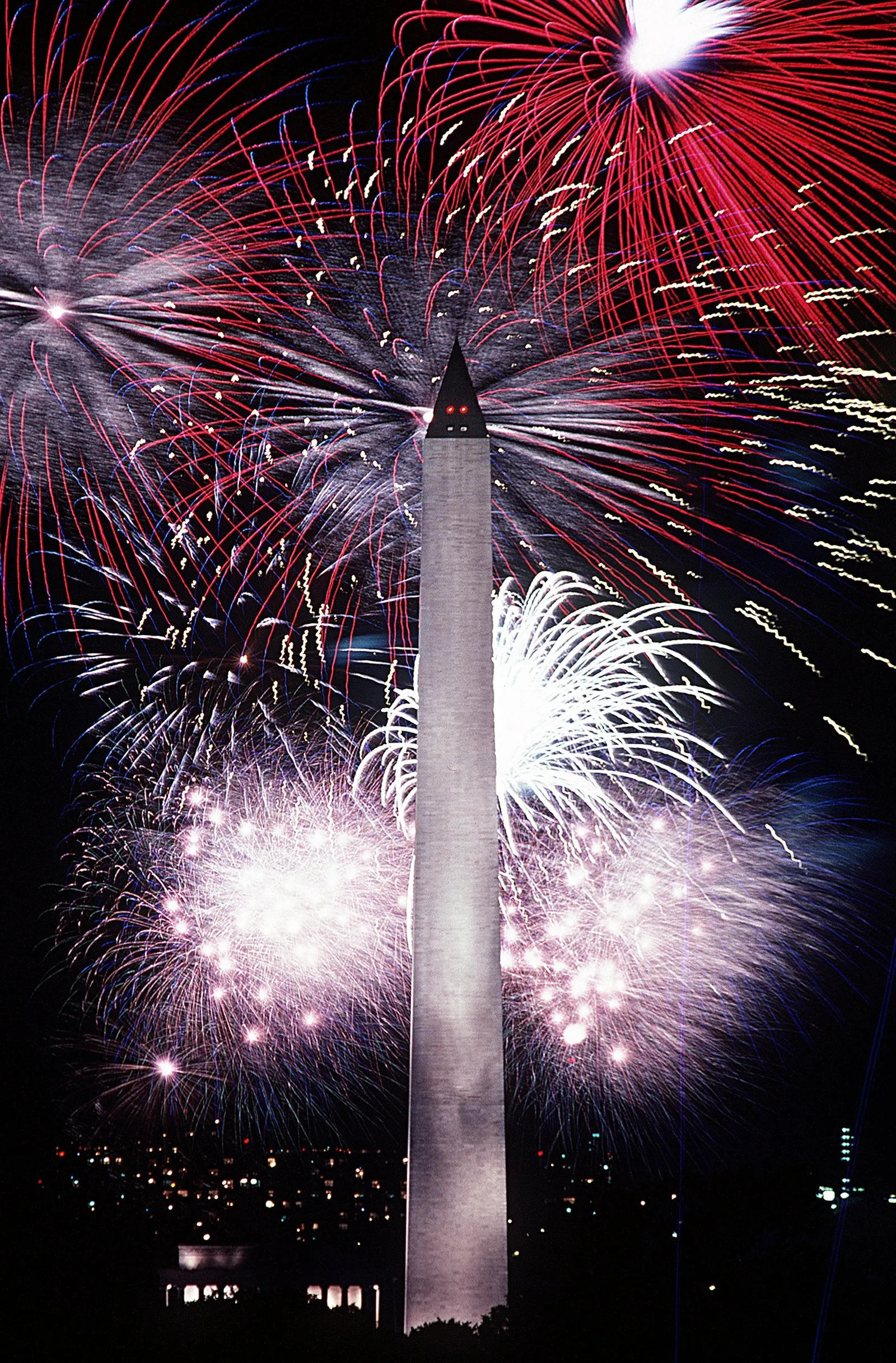
The delays pushed the marquee events well past their scheduled times. President Donald Trump delivered a July 4 address to mark the anniversary once the weather had cleared, in a speech that several outlets described as campaign-style in tone, according to NPR. The fireworks, promoted by organizers as among the largest displays ever staged, with hundreds of thousands of shells fired from multiple sites around the Lincoln Memorial Reflecting Pool, finally lit the sky close to midnight.
Security was heavy throughout. The celebration was designated a National Special Security Event, the same status given to occasions such as presidential inaugurations, placing the Secret Service in charge of coordinating protection across the Mall.
For all the disruption, the day still drew large crowds to the capital for the semiquincentennial. It also served as a preview of a challenge the country will face repeatedly this summer: staging huge outdoor gatherings, from anniversary events to World Cup matches, in a season of increasingly extreme heat.