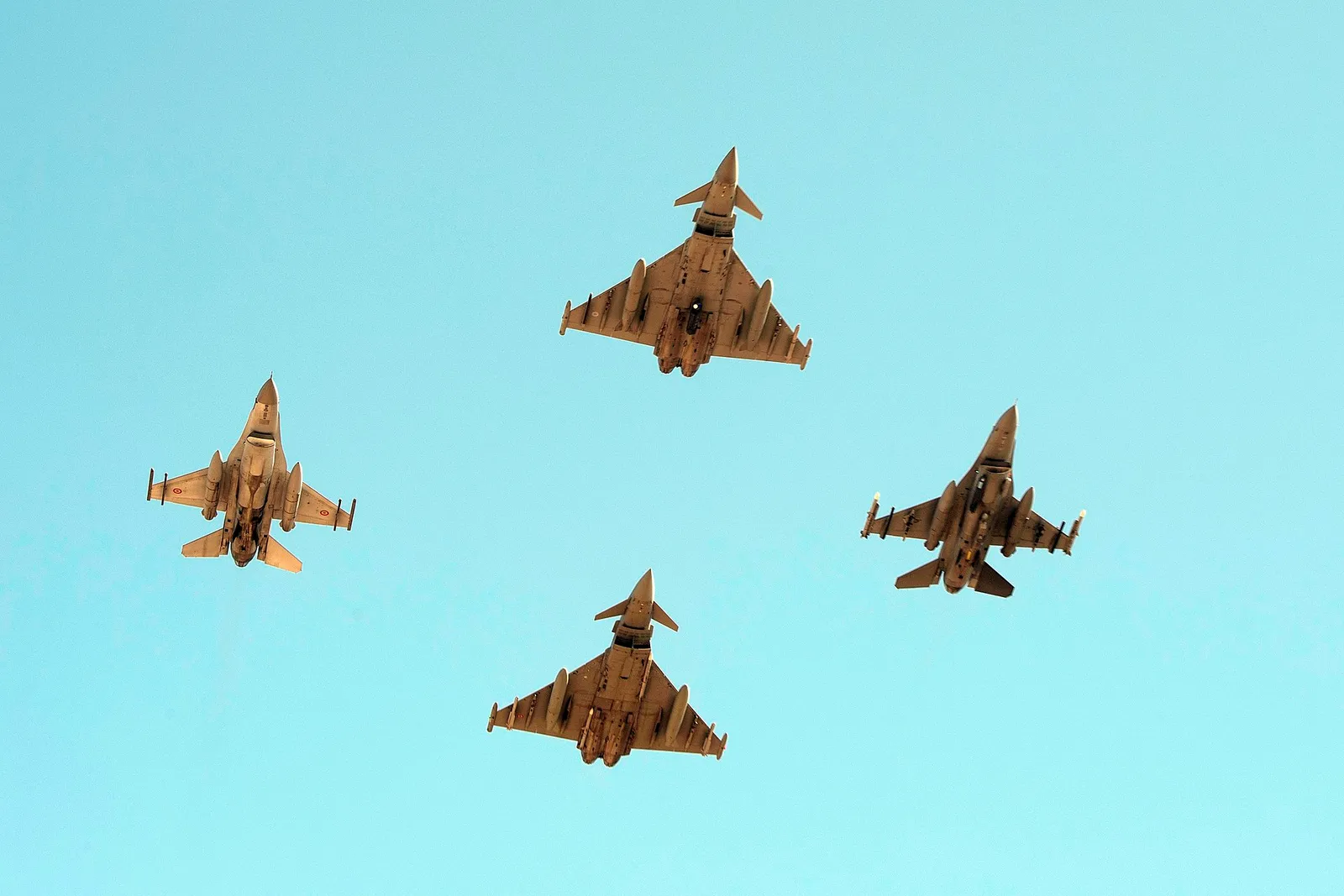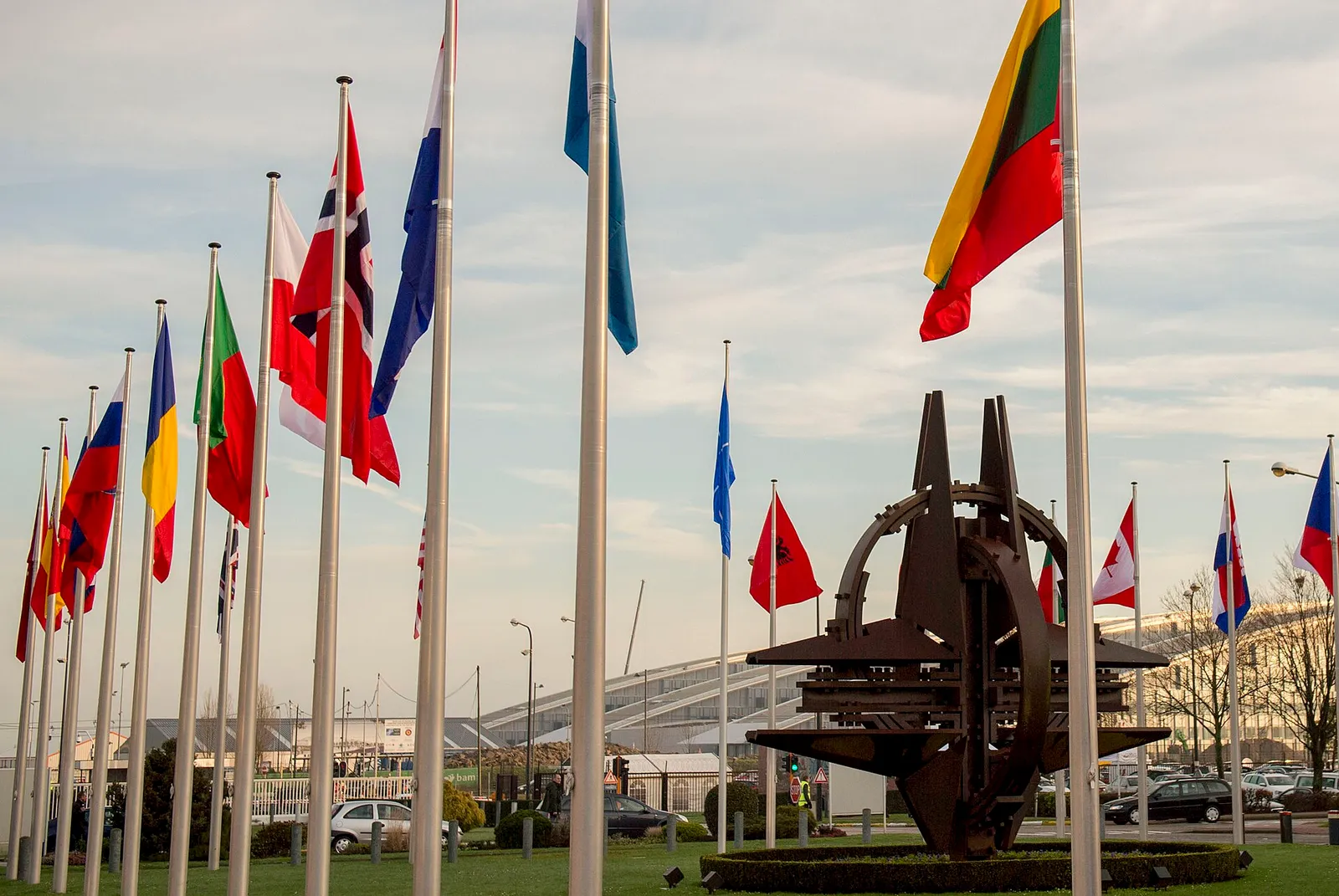
NATO's leaders met in Ankara this week for a summit centered on two intertwined questions: how much its members should spend on defense, and how to keep supporting Ukraine. Turkey hosted the gathering of the alliance's members, joined by Ukraine's president, Volodymyr Zelensky, Al Jazeera reported.
The spending fight
The central theme was money. Allies last year agreed to work toward spending the equivalent of 5 percent of national income on defense and security by 2035, a steep target split between core military spending and broader security investments. This summit was billed as being about delivering on that promise rather than making new ones, with officials pointing to sharp increases in European and Canadian budgets over the past year.
President Trump used the meeting to keep up pressure on allies he considers slow, having secured the spending pledges a year ago and now pushing to see them met, NPR reported. He has singled out some governments for criticism and has signaled a rebalancing of the US military presence in Europe. Supporters of his approach say it has forced overdue investment; critics among the allies worry about the pace of American drawdowns and the strain of hitting targets on tight timelines. Both concerns were present in Ankara.
Ukraine at the table
Ukraine's needs ran through the discussions. Allies have pledged large sums in military aid for this year, and Zelensky came to Ankara seeking concrete help, above all the air-defense interceptors his cities urgently need after a wave of deadly Russian strikes. He pressed for firm commitments over the next year or two, framing sustained Western support as the key to deterring further Russian attacks.
Unity and its limits
For all the friction, NATO leaders sought to project unity, reaffirming their commitment to collective defense under the treaty's mutual-defense clause, as summit texts indicated. But the Ankara meeting also laid bare the alliance's central tension: turning political pledges into real capabilities fast enough to matter, at a moment when the war on its eastern flank is a daily reminder of what is at stake. That Turkey, a member with its own complicated relationships inside and outside the alliance, was the host only underscored how varied NATO's 32 members are, and how much work it takes to keep them pulling in the same direction.