Tesla has stopped selling the Solar Roof. The company told third-party installers it would supply only solar panels going forward, and its Solar Roof web page started redirecting to the panels page on Thursday. Tesla has not issued a public statement, and the decision was reported from installer notifications and people close to the program, who said the company had concluded the product was not financially viable.
The numbers explain the conclusion. Over roughly seven years Tesla installed about 3,000 Solar Roofs in the United States, peaking at somewhere between 21 and 32 a week, more than 95 percent short of the target Musk set of a thousand a week.
What the product was, and why it was hard
The pitch was genuinely appealing. Conventional rooftop solar means bolting panels on top of a roof you already have, which works but looks like what it is. The Solar Roof replaced the roof itself with glass tiles, some generating electricity and some not, laid so that the whole surface read as roofing rather than as equipment.
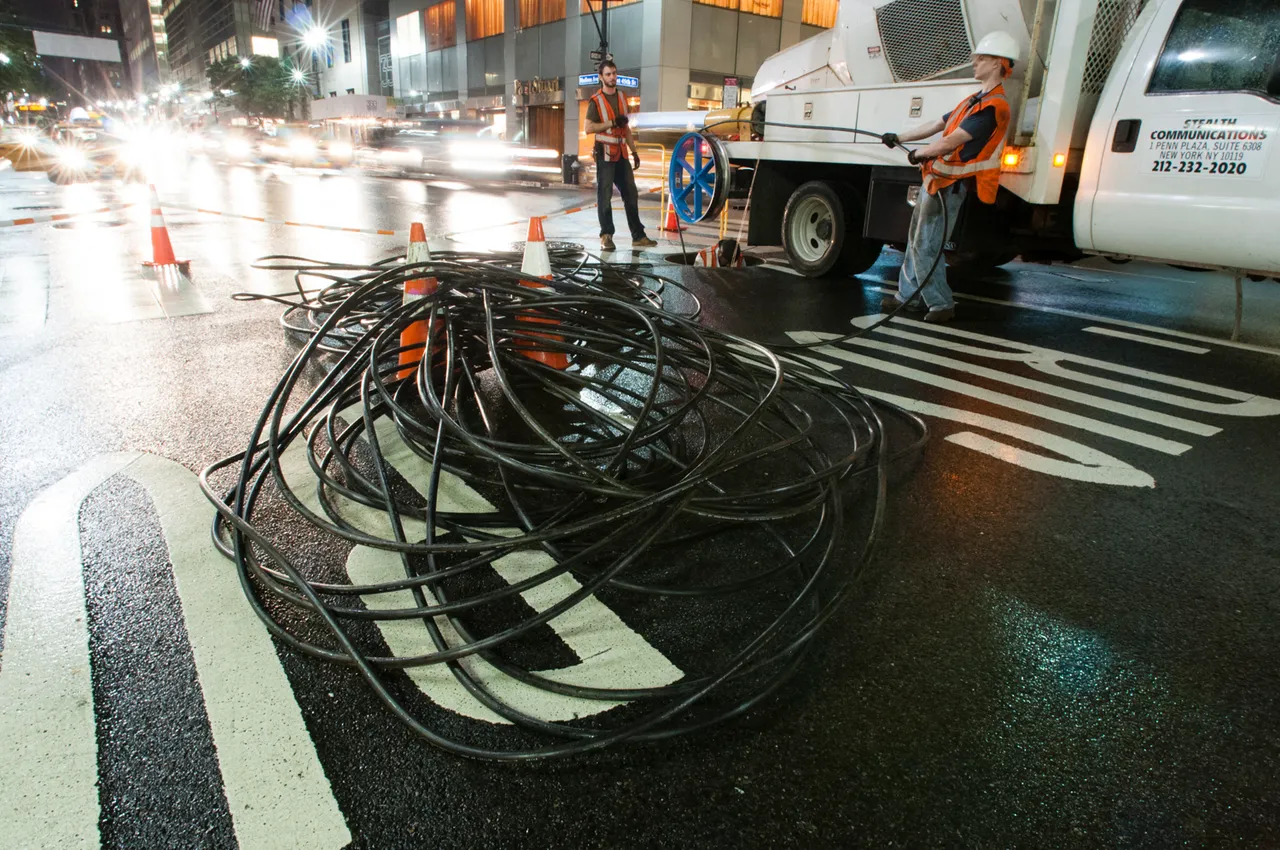
The difficulty is that this makes a solar installation into a roofing job. Roofing is a skilled trade with its own weatherproofing standards and liabilities, and every roof is a different shape. A crew fitting panels to an existing roof solves a bounded problem in a day or two. A crew replacing a roof with electrified tiles is doing two jobs at once, on a structure whose quirks it discovers as it goes, and the labor cost scales accordingly.
That is the core reason the economics never worked at volume, and it is why the product could not be manufactured out of its problem. The expensive part was not the tile.
The SolarCity shadow
Tesla unveiled the Solar Roof in October 2016, at an event staged on a residential street on the Universal Studios backlot, where houses had been re-roofed with the tiles. The timing was not incidental: Tesla had proposed acquiring SolarCity, the solar installer co-founded by Musk's cousins, two months earlier, and shareholders were about to vote on it.
That sequence became the subject of litigation. Shareholders alleged Musk had pushed Tesla into overpaying to rescue a company he was closely tied to. A Delaware court ruled in Musk's favor in 2022, a decision later upheld on appeal.
Ending the product does not reopen any of that. It does close a loop, because the demonstration that helped make the case for the acquisition was of a product that, a decade on, sold in the low thousands.
What happens now
Tesla is concentrating on standard rooftop solar paired with its Powerwall battery, which is a more conventional business and one where the installation problem is well understood.
The open question is what happens to the people who already own one. Reporting on the discontinuation did not include any statement from Tesla about warranty coverage or long-term service for existing Solar Roof owners, and the company has not addressed it publicly. Those customers own a roof made of a discontinued part, which is a materially different situation from owning a discontinued car, because a roof that cannot be repaired with matching components is a roof that eventually has to be replaced.
Until Tesla says otherwise, that question is unanswered rather than answered badly. It is the one existing owners will want addressed first.