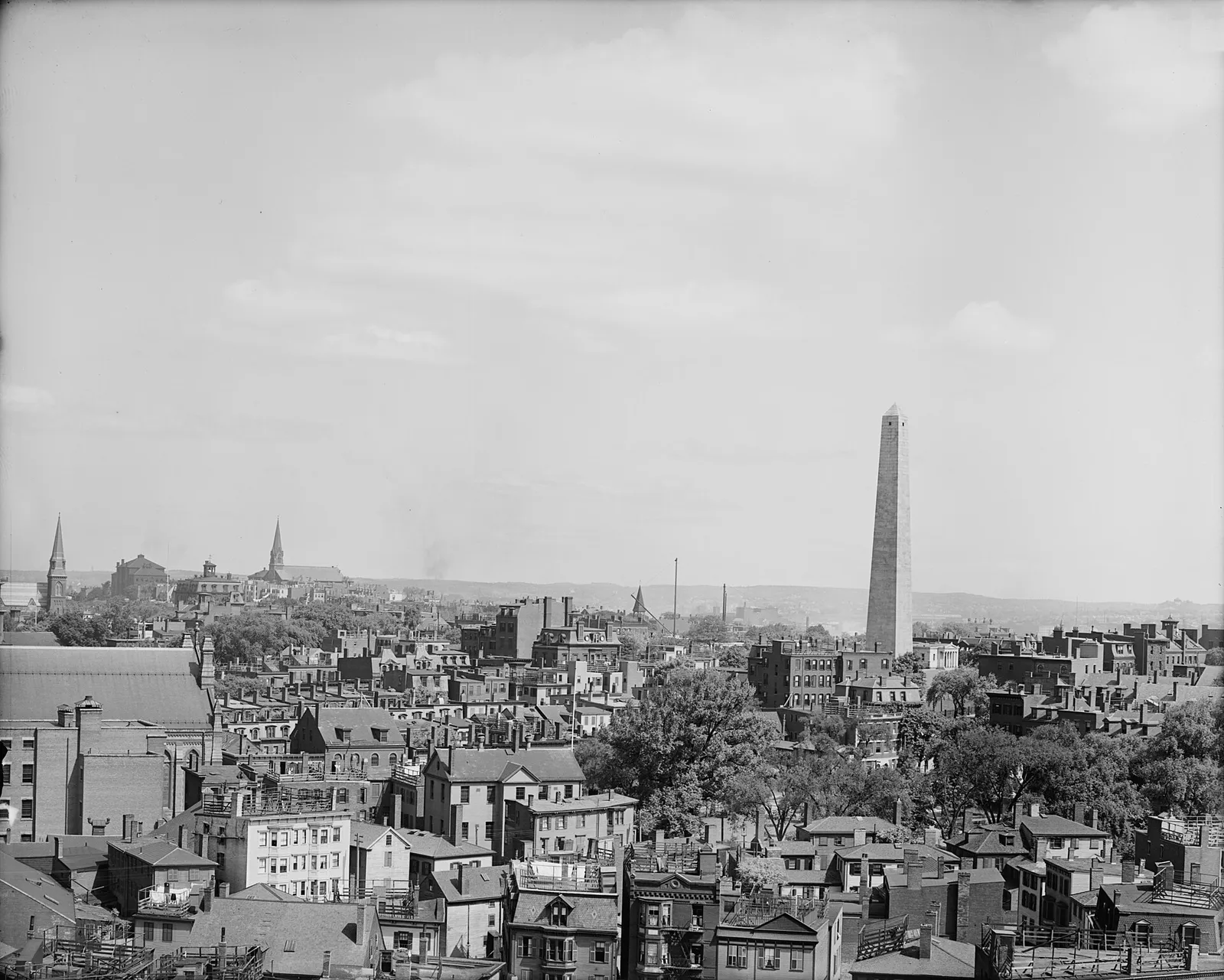
Two and a half centuries after American militiamen dug in on a hill overlooking Boston to face the British army, archaeologists have found some of the physical traces they left behind. A recent excavation at the site of the Battle of Bunker Hill, in the Charlestown neighborhood of Boston, has recovered musket balls, part of a musket and evidence of the improvised fort at the center of the fight, ABC News reported.
Finding the fort
The June 1775 battle is one of the most storied episodes of the American Revolution — the clash where colonial forces, though ultimately forced to retreat, inflicted heavy casualties on the British and proved they could stand against a professional army. Central to the story is the earthen redoubt that the patriots threw up in the hours before the fighting, a fort dug in haste under cover of darkness.
Guided by an old map, the archaeologists used ground-penetrating radar to search the park beneath the Bunker Hill Monument for signs of that structure, Boston University reported. The dig turned up what they interpret as the remains of a ditch cut just before the battle — a tangible link to the frantic overnight labor that shaped the day's fighting.
The story in the musket balls
The most evocative finds are the smallest. The team recovered about eight musket balls, roughly the size of marbles, fired by both sides in the battle. Their condition tells a quiet story: the balls were misshapen in ways consistent with being fired from a distance and striking the ground rather than a person. Had they hit a human body, archaeologists note, they would have been flattened and deformed on impact.
In other words, these were shots that missed — a reminder that much of any battle is noise, fear and near-misses, not just the moments that make it into the history books. The team also recovered part of a musket itself, another direct artifact of the combat.
Everyday objects from an occupation
Not everything found dates to the battle itself. Archaeologists also uncovered domestic items likely left by British troops who occupied the area afterward: tea cups, tobacco pipes, sleeve buttons and even a wig curler. These humble objects flesh out a different part of the story — the ordinary daily life of soldiers stationed on captured ground, drinking tea and smoking pipes in the aftermath of a bloody engagement.
Such artifacts are, in their way, as valuable as weapons to historians, because they humanize the people who lived and fought there rather than reducing them to figures in a battle narrative.
The search for the fallen
One thing the dig did not find was human remains. Nearly 150 combatants are believed to have died at the site, and a forensic archaeologist was on hand to examine any bones that surfaced. None did, at least in this excavation — a reminder of how much about even a well-documented battle remains uncertain, and of the care such work demands when the ground may hold the dead.
Why it resonates now
The timing gives the discoveries added weight. With the country observing the 250th anniversary of its founding, physical evidence from the Revolution's early battles offers a direct, unmediated connection to the events being commemorated — not a painting or a plaque, but the actual objects touched by the people who were there.
Archaeology of this kind rarely rewrites the broad outline of history. What it does is sharpen the picture, replacing generalities with specifics: a ditch dug in the dark, a shot that missed its mark, a soldier's discarded pipe. On the anniversary of a nation's beginning, those small, concrete details are a powerful way of remembering that the founding was made by real people, on real ground that is still giving up its secrets.