The Kansas City Chiefs, one of the most successful teams in American football, have unveiled designs for a new home: a $3 billion domed stadium in Kansas, ESPN reports. It is planned to open for the 2031 season.
The plan
The proposal is for a large, fully enclosed venue on a new site.
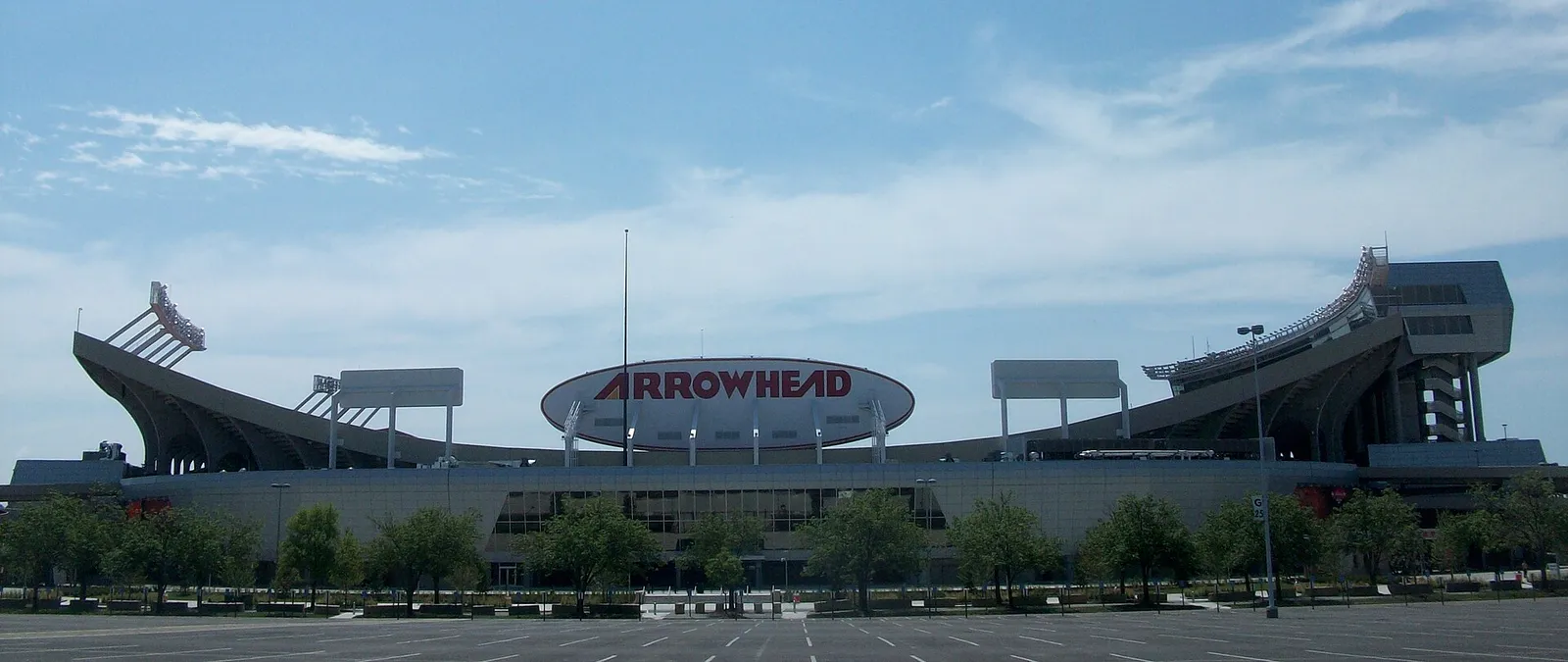
According to ESPN, the stadium would be built in Wyandotte County, Kansas, near the Kansas Speedway and the Legends entertainment district, seat around 70,000, and be covered by a dome with translucent ceiling panels. The design, ESPN reports, is meant to echo the look of the Chiefs' current home, Arrowhead Stadium, with a curved exterior and a scalloped upper deck, and is engineered to amplify crowd noise, something Arrowhead is famous for. The team's chairman, Clark Hunt, said the aim was to "build something that improves the gameday experience for every single fan" while honoring the franchise's legacy.
Who pays
The most consequential part of the announcement is not the architecture but the financing, and it is worth setting out clearly.
ESPN reports that the project would be funded through a mix of public and private money. On the public side, sales-tax and revenue (STAR) bonds would cover up to 70 percent of the cost of the stadium and a surrounding mixed-use district; Kansas lawmakers, ESPN reports, unanimously approved issuing those bonds late last year. On the private side, the Hunt family, which owns the Chiefs, is committing an additional $1 billion in development.
That split, with public bonds potentially covering the majority of the venue's cost, is the heart of why stadium projects like this are contested well beyond sport.
The bigger argument
For readers outside the United States, the row over stadium financing needs a word of explanation, because it is a recurring one.
Major American sports teams are privately owned and highly profitable, yet new stadiums are frequently built with substantial public money, on the argument that they bring jobs, events and economic activity to a region. Critics counter that the promised economic benefits are often overstated, and that public funds subsidize wealthy owners for facilities the teams themselves profit from. The Chiefs' move also has a local dimension: the team is planning to build across the state line in Kansas, having previously played in Missouri, a reminder that these projects often involve states and cities competing to attract or keep a team.
ESPN reports that from 2032 the Chiefs intend to bid to host major events, including the Super Bowl and College Football Playoff games, in the new dome. That is part of the public case for the spending: a covered, big-capacity venue can attract marquee events that an open stadium in a cold-weather city cannot. Whether that justifies the public share is exactly the debate these announcements reliably reignite, and this $3 billion plan, with public bonds covering most of the stadium, will be no exception.