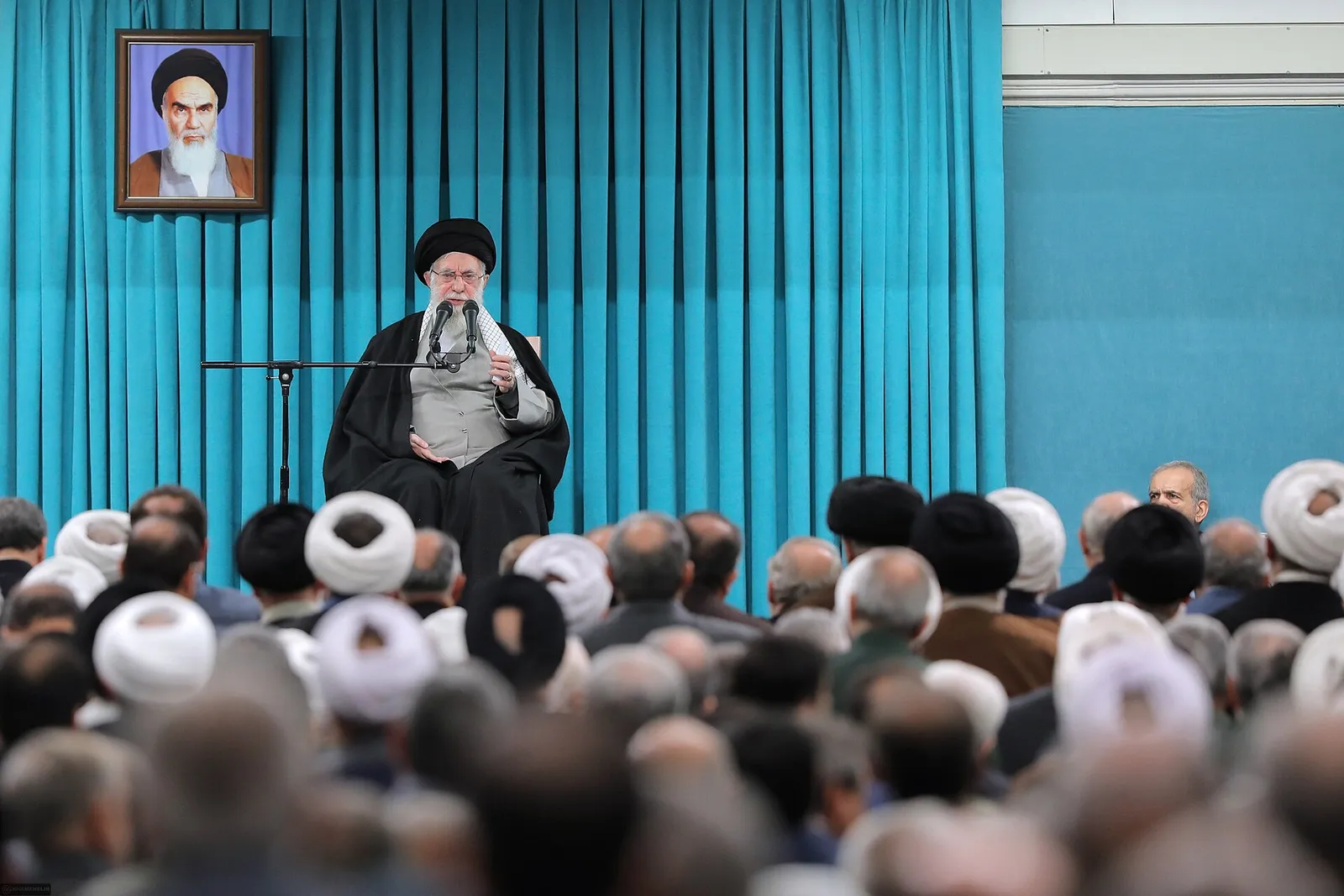
Iran is holding an extraordinary, multi-day funeral for Ayatollah Ali Khamenei, its supreme leader for more than three decades, four months after he was killed in an airstrike on his Tehran residence. The ceremonies, running for the better part of a week, have drawn vast crowds into the streets of the capital ahead of a planned burial in Mashhad, the northeastern city where he was born.
A leader killed in February
Khamenei, who was 86 and had led Iran since 1989, was killed on February 28, in a strike Iranian officials have blamed on the United States and Israel, at the opening of this year's war between Iran and the two allies. His burial, which under Islamic custom would normally follow within a day, was postponed for months, a delay authorities attributed to the wartime situation and to fears of a repeat of deadly crushes at past mass funerals in Iran, including those for Ayatollah Ruhollah Khomeini in 1989 and the commander Qassem Soleimani in 2020.
Crowds and messaging
The state funeral, scheduled to span several days from July 3, has featured processions in Tehran and other cities, with the body due to travel on toward the holy Iraqi cities of Najaf and Karbala before returning for burial at the Imam Reza shrine in Mashhad, one of Shia Islam's most revered sites. State media and officials have described turnout in the millions; Al Jazeera reported enormous crowds lining the main Tehran route, though independent verification of the totals is difficult.
Iranian authorities have wrapped the event in the language of martyrdom and resistance. Mourners chanted "Death to America" and "Death to Israel," NBC News reported, and banners tied Khamenei's killing to the Shia commemoration of Hussein at Karbala. Commanders have warned the United States and Israel against further action, while both governments have not commented in detail on the funeral itself.
The unseen successor
Khamenei's death set in motion Iran's constitutional succession. The Assembly of Experts, the clerical body charged with choosing a supreme leader, named his son Mojtaba Khamenei to the post, according to accounts of the process. Yet the new leader has not been seen in public, including at his father's funeral. Officials have cited security concerns, and there have been reports, which Iran has not confirmed in detail, that he was injured in the same strike that killed his father.
His absence has hung over an event designed to project strength and continuity. For Iran's leadership, the funeral is both a mourning of the man who shaped the Islamic Republic for a generation and an attempt to steady a system shaken by his violent death, an unfinished war, and a transfer of power to a figure the public has yet to hear from.