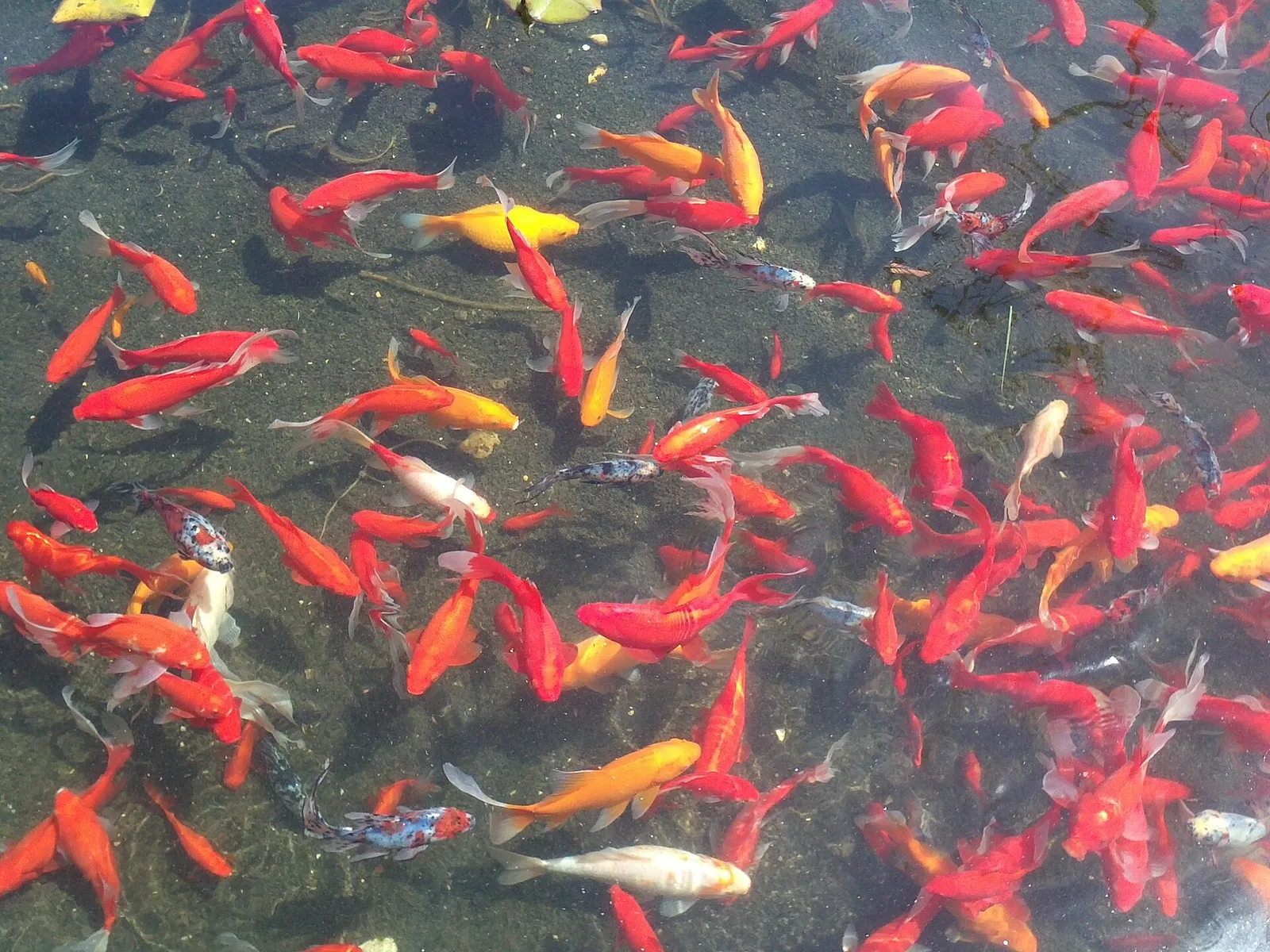
The common goldfish, Carassius auratus, is one of the most popular pets on earth: cheap, placid and, in a tank, only a few centimeters long. Set loose in a lake or river, however, the same fish can become a destructive invader — and wildlife agencies on several continents now treat it as a serious ecological threat.
Why they grow so big
Goldfish are what biologists call indeterminate growers: their size is shaped by their surroundings rather than fixed by their genes. In a small aquarium, growth is held in check by limited space and food. Remove those limits — drop a goldfish into a warm, nutrient-rich waterway with plenty to eat and few predators — and it can balloon to lengths beyond 30 centimeters and weights of more than a kilogram. Researchers studying feral goldfish in Australia's Vasse River documented animals reaching such sizes, as Smithsonian Magazine reported, the result of aquarium fish released by local residents.
The damage they do
The harm is not subtle, and it can take hold quickly. A study led by researchers at the University of Toledo and published in the Journal of Animal Ecology found that goldfish can trigger an ecological "regime shift" in a matter of months, the university reported. In experimental lakes, goldfish sharply reduced water clarity and caused populations of small invertebrates to collapse, leaving native fish in measurably poorer condition.
The mechanism lies in how goldfish feed. They root along the bottom, uprooting plants and stirring sediment up into the water. The resulting murk blocks sunlight, smothers eggs and submerged vegetation, and favors algae — a cascade that can flip a clear, plant-rich lake into a cloudy, degraded one. Goldfish also spread fish diseases; Canada's Invasive Species Centre notes they can carry pathogens such as koi herpesvirus to which native species have no immunity.
A problem on the map
This is not hypothetical. Goldfish are an established invasive species in parts of the Great Lakes basin, where populations have multiplied in harbors and tributaries, and Minnesota's Department of Natural Resources lists them among the state's aquatic invaders, competing with native fish for food and habitat. They breed prolifically and, in North American and Australian waters, face few natural checks.
What to do instead
The advice from wildlife authorities is blunt: never release aquarium fish into the wild, a pond, or a storm drain. Even one fish can seed a population. The US Fish and Wildlife Service recommends alternatives for owners who can no longer keep a goldfish — returning it to a pet store, donating it to a school or community tank, or rehoming it through aquarist groups, and, as a last resort, humane euthanasia by a veterinarian rather than a flush down the toilet.
"Releasing a pet to the wild is never the right thing," the agency says, noting that most released pets die — and the ones that survive can do lasting damage. For a fish bred over a thousand years to live alongside people, it is an unlikely role: an ornamental companion turned ecological wrecking ball, simply by being put in the wrong place.