The numbers are stark. Across Europe, bacterial sexually transmitted infections have risen to record levels, according to the latest surveillance from the European Centre for Disease Prevention and Control — and the trend in one of them is alarming public-health officials in particular.
A broad rise
Reported cases of the main bacterial STIs are the highest since EU-wide monitoring began, the ECDC said. Gonorrhea cases reached about 106,000 in 2024, several times the level of a decade earlier; syphilis notifications have roughly doubled since 2015; and chlamydia remains the most commonly reported infection, with more than 200,000 cases. Most troubling to the agency, cases of congenital syphilis — passed from mother to baby in pregnancy — nearly doubled in a single year, despite being, as ECDC officials note, entirely preventable with screening and treatment.
The resistance problem
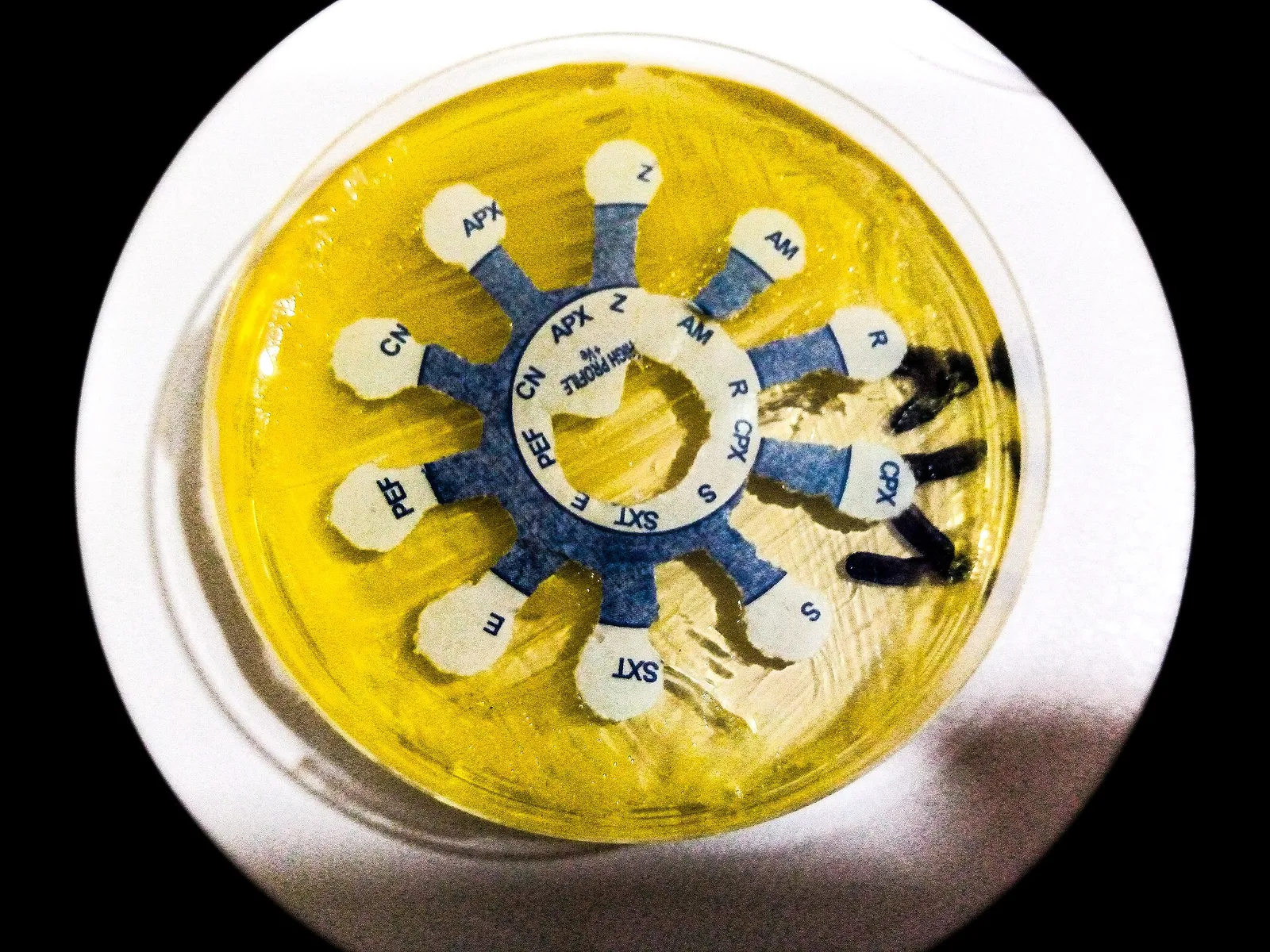
The sharper worry lies in how gonorrhea is treated. The World Health Organization has reported rising resistance to the antibiotics that are the last reliable line of defense: resistance to ceftriaxone, the main treatment, climbed from under 1% to around 5% in two years, and resistance to a second drug, cefixime, rose more steeply still. Each increment raises the prospect of infections that are difficult — or, eventually, impossible — to cure with current medicines.
Why it is happening
Experts caution that several factors are likely at play, and that the relative weight of each is not settled. Researchers point to declining condom use, more sexual partners and the role of dating apps, and behavioral shifts since the pandemic; some of the increase, they add, also reflects more testing, which detects infections that once went unrecorded. Men who have sex with men account for a large share of gonorrhea and syphilis diagnoses, though health agencies note that heterosexual transmission has also been climbing — a reminder that the trend is broad rather than confined to any one group.
The stakes, and the response
Left untreated, these infections are not trivial: they can cause infertility, harm pregnancies, and raise the risk of acquiring HIV. The ECDC has urged governments to act — removing the out-of-pocket charges that, in many countries, still deter people from getting tested, strengthening surveillance, and refreshing prevention strategies that in places have not been updated in years. On the treatment side, new antibiotics are in development and offer some hope. But the central message from Europe's disease watchdogs is sober: the diseases are spreading, the tools to treat one of them are weakening, and the window to get ahead of both is narrowing.