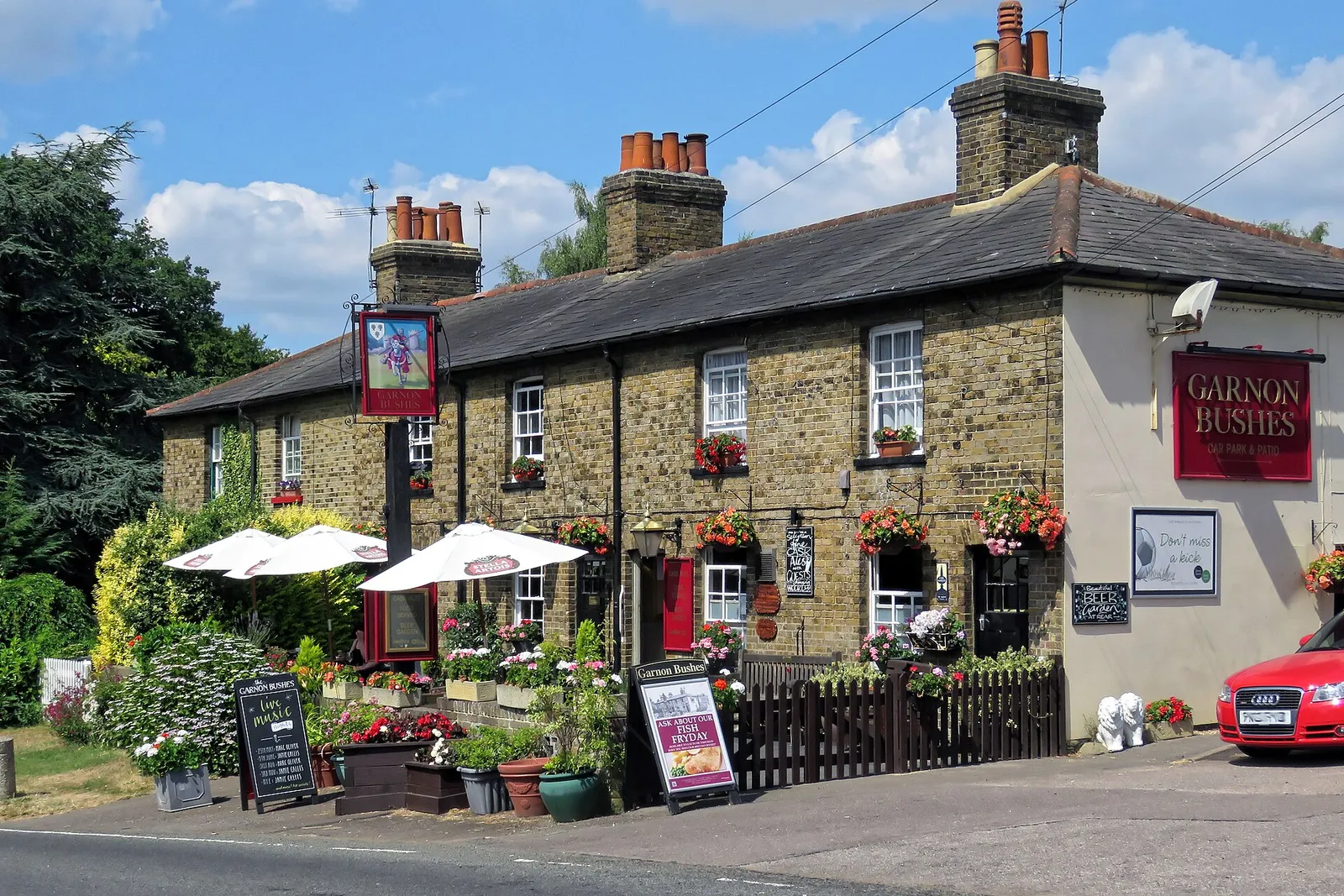
Football and beer have long gone together in England, but this year's World Cup is testing the arrangement. With the tournament hosted across the United States, Canada and Mexico, kickoff times have shifted into the small hours in Britain — and England's round-of-16 meeting with Mexico is due to start at around 1 a.m. UK time on Monday. For pubs, that timing is a problem.
Why the late night matters
Britain's licensing rules set the hours during which pubs may serve, and a 1 a.m. kickoff runs past the point at which many would normally have to close. To watch England to the final whistle — and beyond, if the tie goes to extra time and penalties — a pub needs permission to trade later than usual.
The government had put in place an automatic relaxation of licensing hours for the tournament, but it only covers matches that kick off in the evening, roughly between 5 p.m. and 10 p.m., as licensing-trade outlet Caterer, Licensee & Hotelier reported. A match starting at 1 a.m. falls outside that window, leaving individual pubs to seek their own extensions.
The scramble for permission
To open late for the Mexico game, publicans must apply to their local council, typically through a short-term licensing mechanism known as a Temporary Event Notice. Approval is at the council's discretion, and the notices carry procedural requirements — including minimum notice periods — that some applicants, working to a tight deadline, have struggled to meet. Reports suggest at least some requests have been turned down.
Faced with that patchwork, the government has intervened to grease the wheels. Ministers have written to councils urging them to look favorably on pubs' applications for the fixture, framing it as a matter of letting fans enjoy a national sporting moment rather than being tripped up by red tape, according to Sky Sports.
A modest reversal
The nudge to councils marks a shift from the government's earlier stance. Officials had initially suggested that late-opening for such an out-of-hours fixture was a matter for local authorities to decide case by case, rather than something Westminster would push. The letter to councils represents a more active encouragement to approve, even if it stops short of a blanket, nationwide extension of hours.
Licensing is also handled differently across the UK's nations, so the practical picture varies by where a pub is located, with individual councils retaining the final say.
A familiar ritual
Extending or easing pub hours for big occasions is a well-worn tradition in Britain, deployed for royal events, national celebrations and major football tournaments alike. What makes this instance unusual is simply the clock: a World Cup on the other side of the Atlantic has pushed the biggest matches into the middle of the British night.
For fans, the upshot is uncertainty about where they will be able to watch. Some pubs will secure permission and throw open their doors into the early hours; others will not, or will not bother for a 1 a.m. start on a work night. Either way, the episode is a small reminder of how a tournament's geography ripples outward — reaching, in this case, all the way to the licensing desk of the local council.