American drug regulators are moving to ban a potent compound sold widely in convenience stores as a legal high, arguing it is effectively an opioid in all but name. The Drug Enforcement Administration has begun the process of classifying 7-OH — shorthand for 7-hydroxymitragynine — as a Schedule I controlled substance, its most restrictive category, The Hill reported.
What 7-OH is
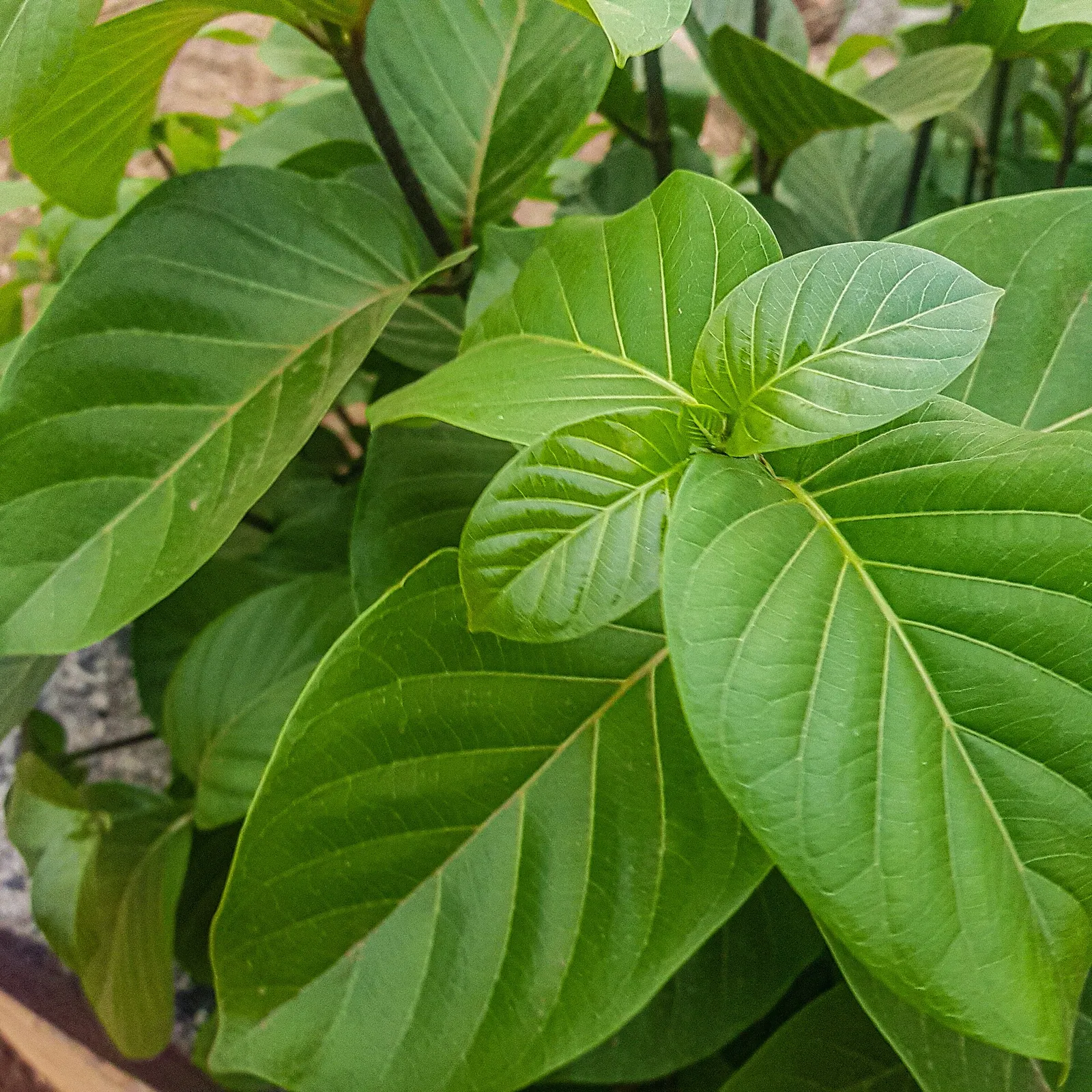
7-OH is one of the active chemicals found in kratom, a plant native to Southeast Asia whose leaves have been used for generations and, more recently, marketed in the United States as a herbal aid for pain, low mood or opioid withdrawal. In the natural leaf, 7-OH occurs only in trace amounts.
The products now worrying regulators are different: concentrated tablets, gummies, shots and powders in which 7-OH has been isolated or synthesized to levels far above anything found in nature. These have proliferated rapidly, sold in gas stations, vape shops and online, often with little regulation.
Why the government is acting
The DEA said it would move to temporarily schedule high-potency and synthetic 7-OH products, along with several related compounds, according to the agency. The step follows a recommendation from the Food and Drug Administration, which has warned that concentrated 7-OH behaves much like a classic opioid, acting on the same receptors as drugs such as morphine and carrying similar risks of dependence, withdrawal and dangerous slowing of breathing.
Officials have pointed to the largely unregulated, fast-growing market as a public-health concern, particularly given how easily the products can be bought. A temporary ban is designed to take effect quickly while a longer-term decision is worked through.
A notable carve-out
Crucially, the proposed action targets the concentrated compound, not kratom itself. Products containing only the naturally occurring, trace levels of 7-OH in kratom leaf are not covered. That distinction has been welcomed by parts of the kratom industry: the American Kratom Association, the sector's main advocacy group, has argued that highly concentrated 7-OH is a chemically altered product that should not be sold as "kratom" at all, and has supported action against it.
The other side
Not everyone agrees. Some harm-reduction advocates and users worry that scheduling 7-OH will criminalize a substance that certain people say helps them manage pain or stay away from far more dangerous street opioids such as heroin and fentanyl. They argue that pushing users toward the illicit market, rather than regulating the products, could do more harm than good, and caution that federal action against 7-OH could pave the way toward broader bans on kratom itself.
There is also debate about the evidence. Supporters of the ban cite mounting reports of addiction and overdose tied to concentrated 7-OH; skeptics say the data remain limited and warn against criminalizing before the science is settled. The disagreement echoes a familiar tension in US drug policy between restricting access to risky substances and preserving options for people who feel conventional medicine has failed them.
What happens next
Temporary scheduling would make manufacturing, selling or possessing the targeted 7-OH products a federal offense once it takes effect, while the DEA weighs a permanent classification. Legal challenges are possible, and the coming months will test whether the government's distinction — banning the concentrated compound while sparing the leaf — holds up in practice. For now, the move marks the most significant federal intervention yet into a booming, lightly policed corner of the American supplement market.