For decades after World War II, unmarried women and girls across Britain were sent away to give birth in secret, then pressured to give up their newborns for adoption. Now one of the institutions involved in that history has said sorry — and the British government has signaled it will follow.
The Church's apology
The Church of England has issued a formal apology for its role in historical forced adoption, acknowledging the lasting harm done to mothers and their children. "You have nothing to be ashamed of, the shame is ours," said the Archbishop of Canterbury, Sarah Mullally, according to PA Media.
Alongside the apology, the Church set out plans for a redress scheme, expected to open by the end of 2026. Under it, those affected would be able to apply for support decided case by case — including therapy and pastoral help, and financial payments that the Church said could range from £5,000 to £660,000 in rare and exceptional circumstances. The Church estimated that tens of thousands of mothers and babies passed through homes it was linked to, across more than 200 institutions.
A history of coercion
Between 1949 and 1976, an estimated 185,000 babies born to unmarried mothers were adopted in England and Wales, many after the mothers were given little real choice. Young women faced intense social stigma; families, religious bodies and the state often treated pregnancy outside marriage as a scandal to be hidden. Mothers have described being sent to institutions, separated from their babies shortly after birth, and told they would never see them again.
Campaign groups, including the Movement for an Adoption Apology, have pressed for years for official recognition that the practice was coerced and caused deep, lasting trauma.
The government's promise
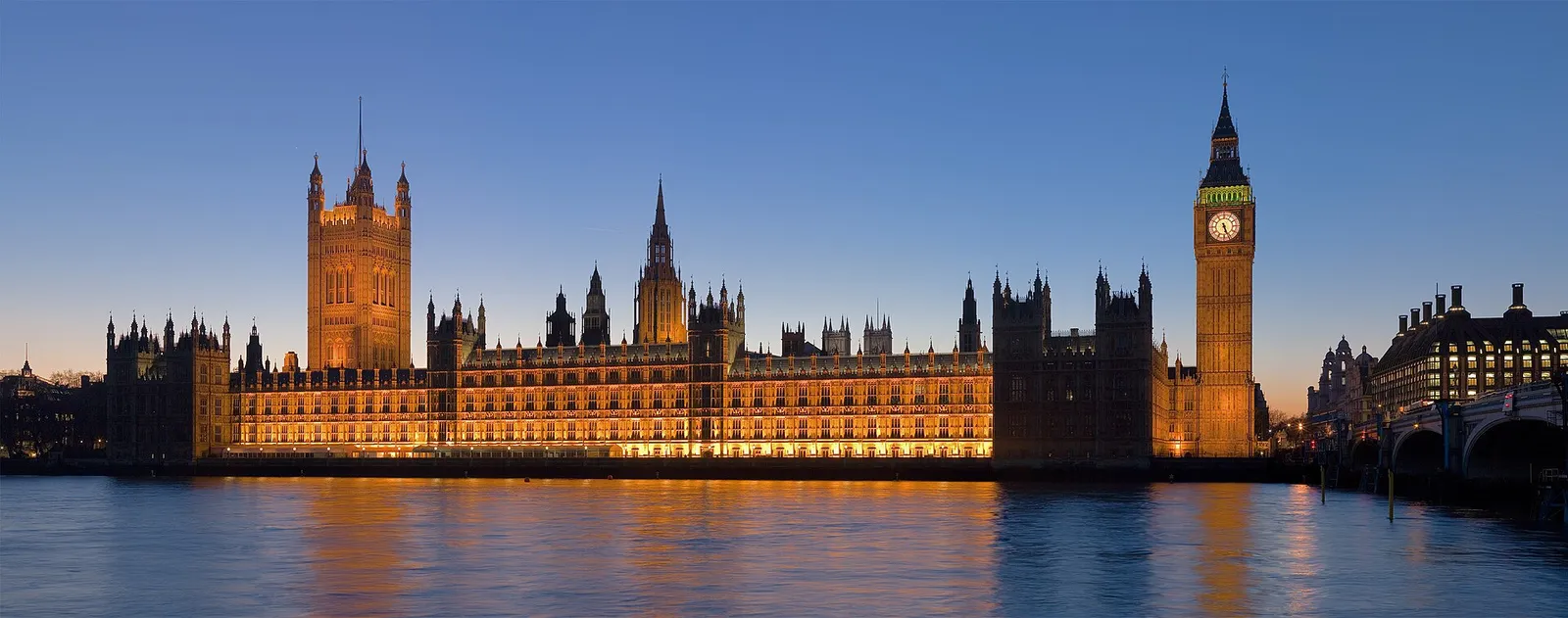
Pressure for a state apology has been building in Westminster. Earlier this year, the cross-party Education Committee urged the government to issue an "unqualified" apology for the state's role, saying it had heard "powerful, moving and compelling" evidence from survivors.
The government has since said it will apologize. The Education Secretary, Bridget Phillipson, described it as a "shameful period," and a formal apology is expected to be delivered in Parliament in the coming weeks. Similar apologies have already been made by the governments of Scotland and Wales, and by other countries including Australia and Ireland.
Not everyone is satisfied
The apologies have not been universally welcomed. The Adult Adoptee Movement criticized the Church's process, saying survivors had not been properly consulted and calling the apology "an insult" delivered without those most affected. Their objection points to a recurring theme in the campaign: that an apology means little to some survivors unless it is shaped with them and matched by meaningful redress.
For many mothers and adoptees, now in their later years, the coming weeks may bring words they have waited a lifetime to hear. Whether those words, and the redress that follows, are judged enough will depend on how closely they reflect the experiences of the people they are meant to address.