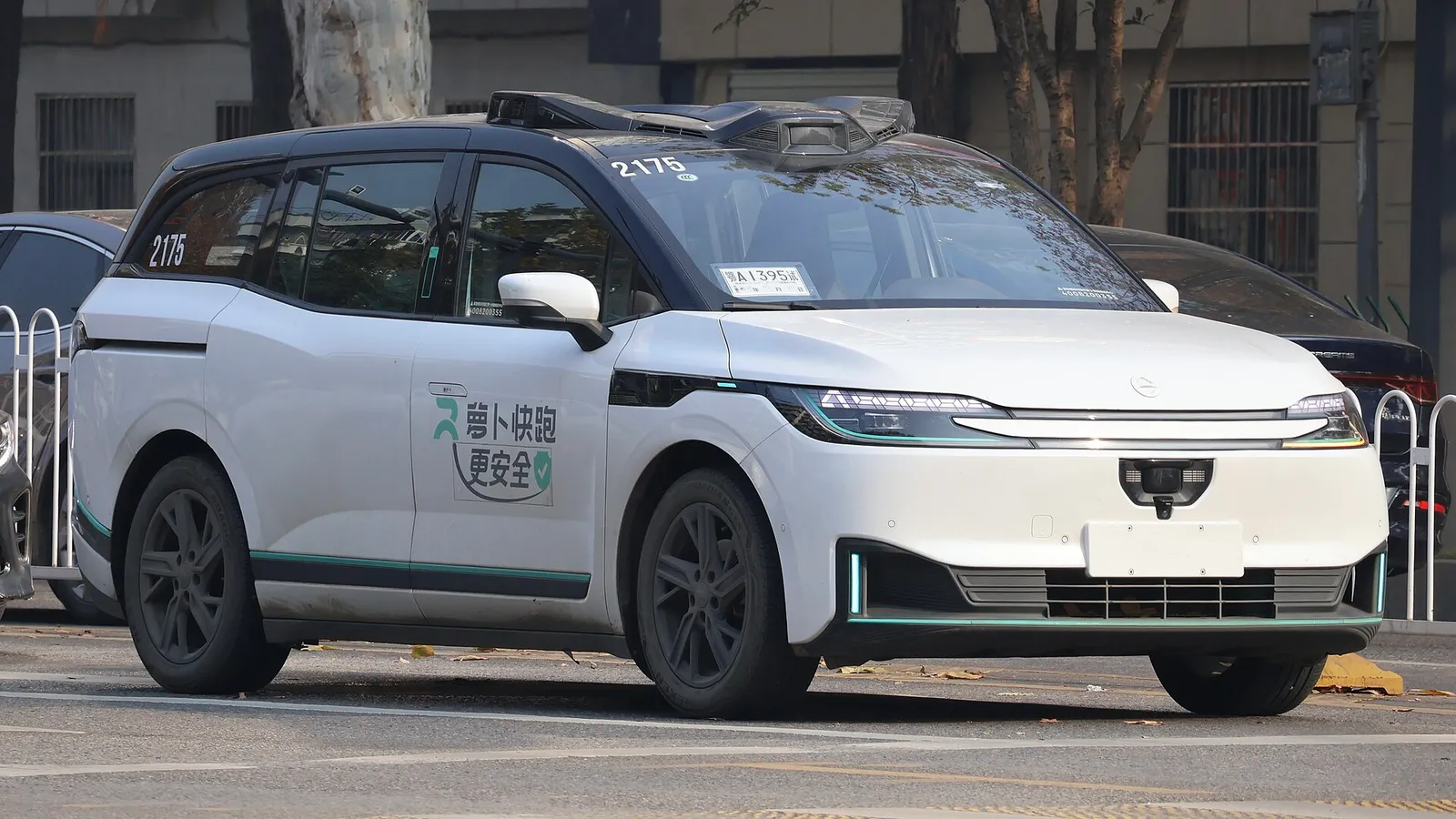
Having come to dominate the world's electric-car industry, China is trying to pull off a similar feat with robotaxis, the driverless cabs that a handful of its companies are now running in cities across the country. The question, posed by the BBC among others, is whether the formula that worked for EVs, heavy state support and cheap manufacturing, will carry over to a business that also has to earn passengers' trust.
Who is driving it
The clear front-runner is Baidu, whose Apollo Go service operates in around 20 Chinese cities and, the company says, has been logging millions of fully driverless rides each quarter. Rivals including Pony.ai and WeRide are expanding their own fleets in cities such as Guangzhou and Beijing, eWeek reported. By the companies' accounts, thousands of robotaxis are now on Chinese roads, a deployment that in raw numbers rivals or exceeds anything in the West, where Alphabet's Waymo is the most established operator.
The money question
The harder test is whether any of this pays. Chinese operators have pointed to early signs of profitability on individual vehicles in some cities, helped by lower-cost cars built largely in-house, and Baidu has said its Wuhan operation runs cheaper fares than in Beijing. But across the sector, companies are still absorbing heavy losses as they scale, and turning per-ride economics into company-wide profit remains unproven, much as it does for their American counterparts.
Safety and trust
China's government has been comparatively permissive, allowing higher levels of automation in dozens of cities, a centralized approach that has helped the industry move quickly. That support is not unconditional. After a technical failure in Wuhan in March left a large number of Apollo Go cars stranded at once, regulators stepped in with a review and a pause on new approvals, Car News China reported. Chinese robotaxis also operate in dense, chaotic traffic, weaving among scooters, cyclists and pedestrians, conditions that are harder than the quieter suburbs where some Western services began.
Can the playbook be copied
China's EV success rested on subsidies, scale and low costs. Robotaxis share the first two, but analysts caution that a ride service lives or dies on reliability and rider confidence as much as on price: Waymo has won acceptance in parts of the United States because the rides simply work, not because they are cheap. For China's robotaxi firms, the coming test is whether they can keep cutting costs while proving, ride after ride, that a car with no one at the wheel is safe enough for people to choose it. That, more than the numbers already racked up, will decide whether the EV story repeats.