Israel's parliament has taken a first step toward investigating the October 7, 2023 Hamas attack, passing the initial reading of a bill to create a commission of inquiry. But the vote itself underscored how bitterly divided the country remains over how that reckoning should be conducted.
What the Knesset approved
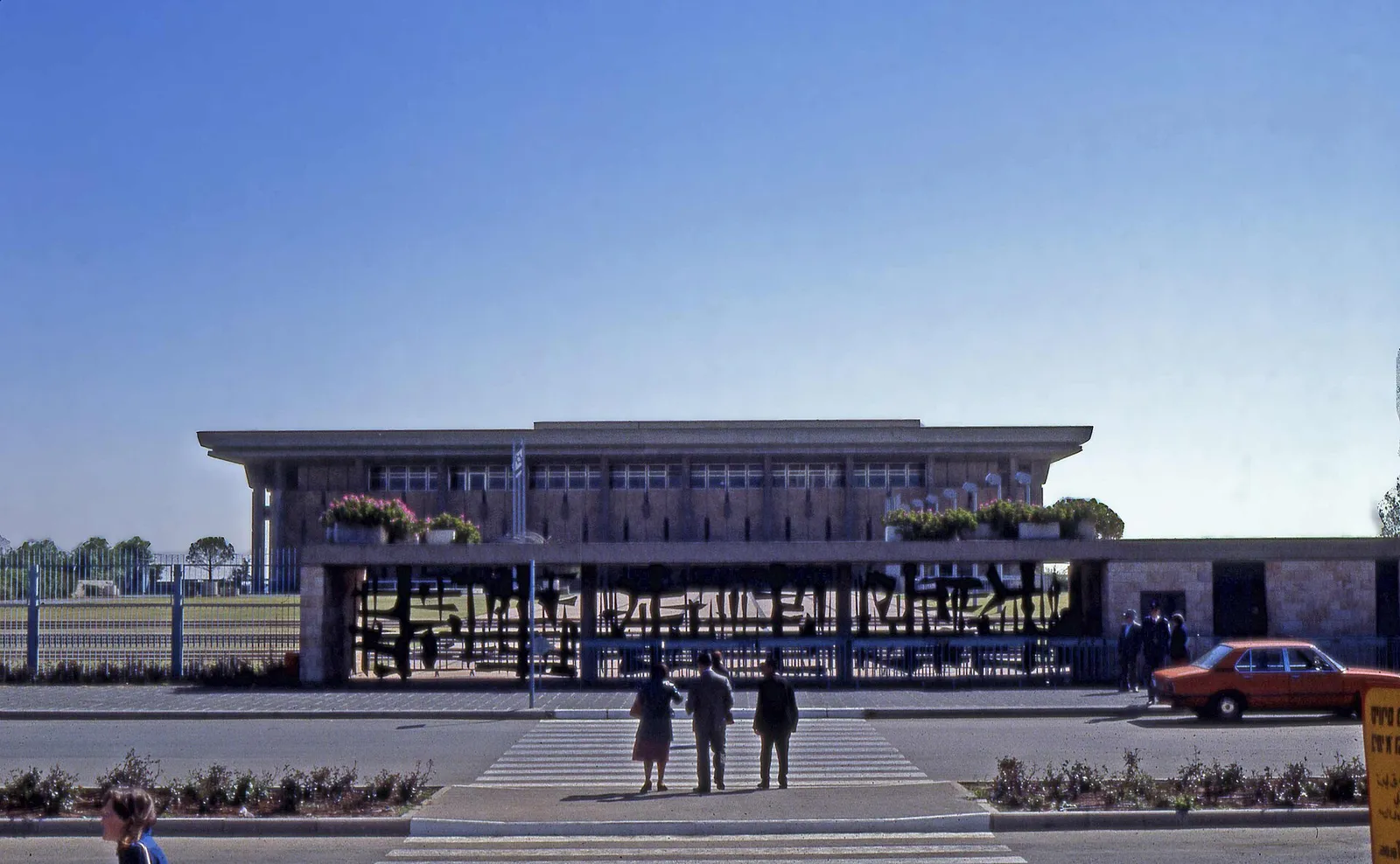
The bill, backed by lawmakers in Prime Minister Benjamin Netanyahu's governing coalition, passed its first reading with 59 votes in favor after opposition members walked out in protest, Haaretz reported. Netanyahu did not attend the vote. The legislation still requires further readings to become law, and the Knesset is expected to break up ahead of an election, though passing the first reading lets the measure carry over to the next parliament.
The dispute over who investigates
At the heart of the fight is who would appoint the inquiry. The proposed commission would be chosen largely through a parliamentary process, rather than by the president of the Supreme Court, the route used for the "state commissions" that have examined past national failures, The Jerusalem Post reported. Supporters in the coalition argue their model would be balanced and would command public confidence. Critics counter that letting the sitting government shape the inquiry into failures that happened on its watch undermines its independence.
Opposition and families object
The opposition leader, Yair Lapid, denounced the bill as an attempt to "whitewash" rather than investigate the deadliest single day in Israel's history, and opposition parties have pledged to establish a traditional state commission if they win power, Arab News reported. Some bereaved families, who have long pressed for an independent inquiry, share that objection; under the bill, family representatives would take part only as observers, without a vote. Opinion polls have repeatedly shown most Israelis favor a state commission of the traditional kind.
Why it is so sensitive
The October 7 attack, in which about 1,200 people were killed, exposed profound intelligence and security failures, and the question of accountability, including for the prime minister and the security establishment, has hung over Israeli politics ever since. How the inquiry is set up will shape what it can examine and whom it can hold to account, which is precisely why the manner of its creation has become as contested as the events it is meant to investigate.