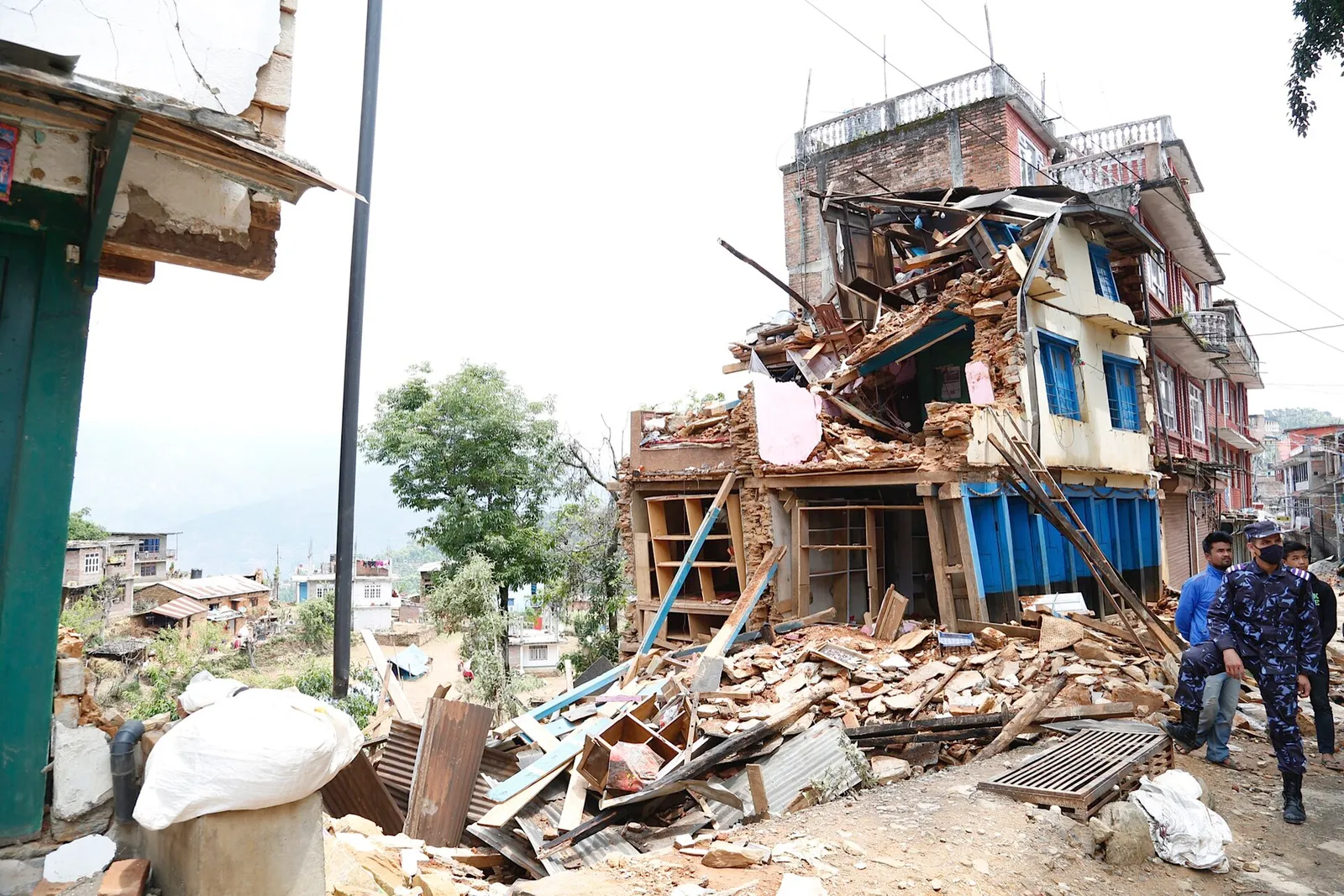
The death toll from the powerful earthquakes that hit northwestern Venezuela late last month has climbed to about 3,535, authorities say, as recovery teams reach areas that had been cut off and families keep searching for relatives still unaccounted for. The figure, released nearly two weeks after the disaster, is expected to change as the count continues.
Two quakes, seconds apart
The catastrophe began on June 24, when two strong earthquakes, measured at magnitude 7.2 and 7.5, struck within about a minute of each other roughly 100 miles west of the capital, Caracas, CNN reported. The near-simultaneous shocks, among the strongest recorded in Venezuela in generations, flattened buildings and sent violent shaking across a densely populated stretch of the country, with severe damage reported in and around Caracas and the coastal state of La Guaira.
Mounting toll
Beyond the roughly 3,535 dead, officials have reported more than 16,000 people injured and upward of 17,000 left without homes, NBC News reported. Large numbers remain missing; the United Nations and Venezuelan officials have given figures running into the tens of thousands, and the true toll may not be known for some time. Repeated aftershocks have complicated the search, endangering rescuers and driving frightened residents to sleep outdoors.
The response
Rescue crews, many of them local volunteers digging by hand in the first days, have been joined by international teams and relief supplies from a range of countries. The United States has pledged around $300 million in humanitarian assistance, Al Jazeera reported among a list of governments offering help, and the United Nations has been coordinating a wider response for a population in need of shelter, water and medical care.
A country tested
The earthquakes have fallen on a country already strained by years of economic hardship, and questions have been raised about the state of buildings and infrastructure that gave way, and about access for aid workers to the worst-hit areas. For now the immediate work is grim and urgent: accounting for the dead, treating the injured, sheltering those who have lost everything and, where any hope remains, pulling survivors from the wreckage. It ranks among the deadliest natural disasters to strike South America in years.