Canada took a significant step toward a contentious new oil pipeline on July 2, as Prime Minister Mark Carney backed a plan to carry Alberta crude to the Pacific coast for export to Asian markets — while trying to reassure the project's many opponents that longstanding environmental protections would remain. The move reflects a broader ambition in Ottawa: to reduce Canada's heavy dependence on the United States as a buyer of its energy.
The plan
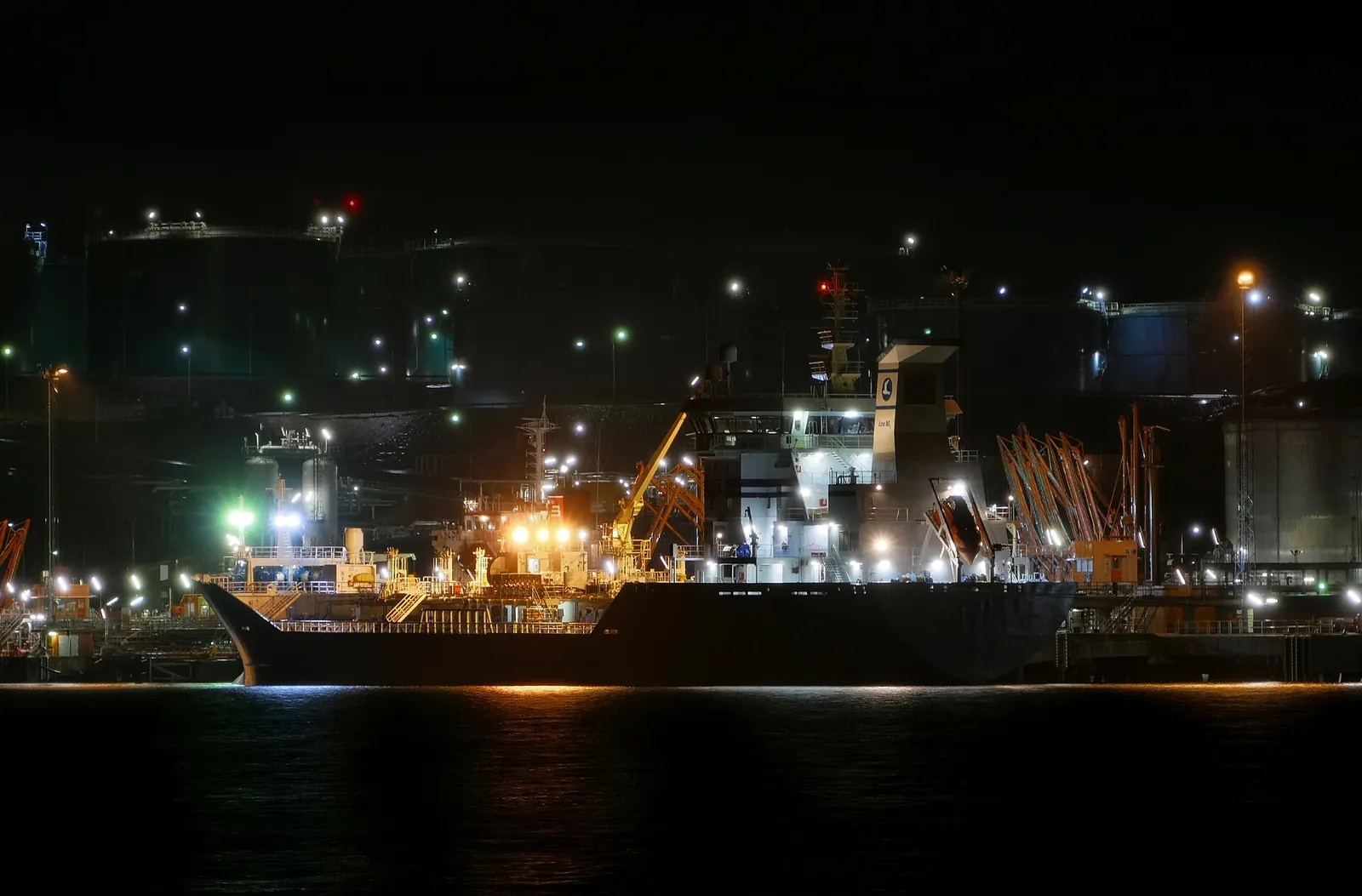
Alberta, working with the federal government, has put forward a pipeline designed to move around one million barrels of oil a day from the province to Canada's west coast, with several possible routes through northern British Columbia under study, the Associated Press reported. From there, tankers would carry the crude across the Pacific to buyers in Asia.
Carney framed the pipeline as part of a national effort to diversify Canada's trade. About three-quarters of Canadian exports currently go to the US, a concentration that has looked increasingly risky amid trade tensions and tariffs under President Trump. Selling more oil to Asia, the government argues, would give Canada leverage and resilience it now lacks.
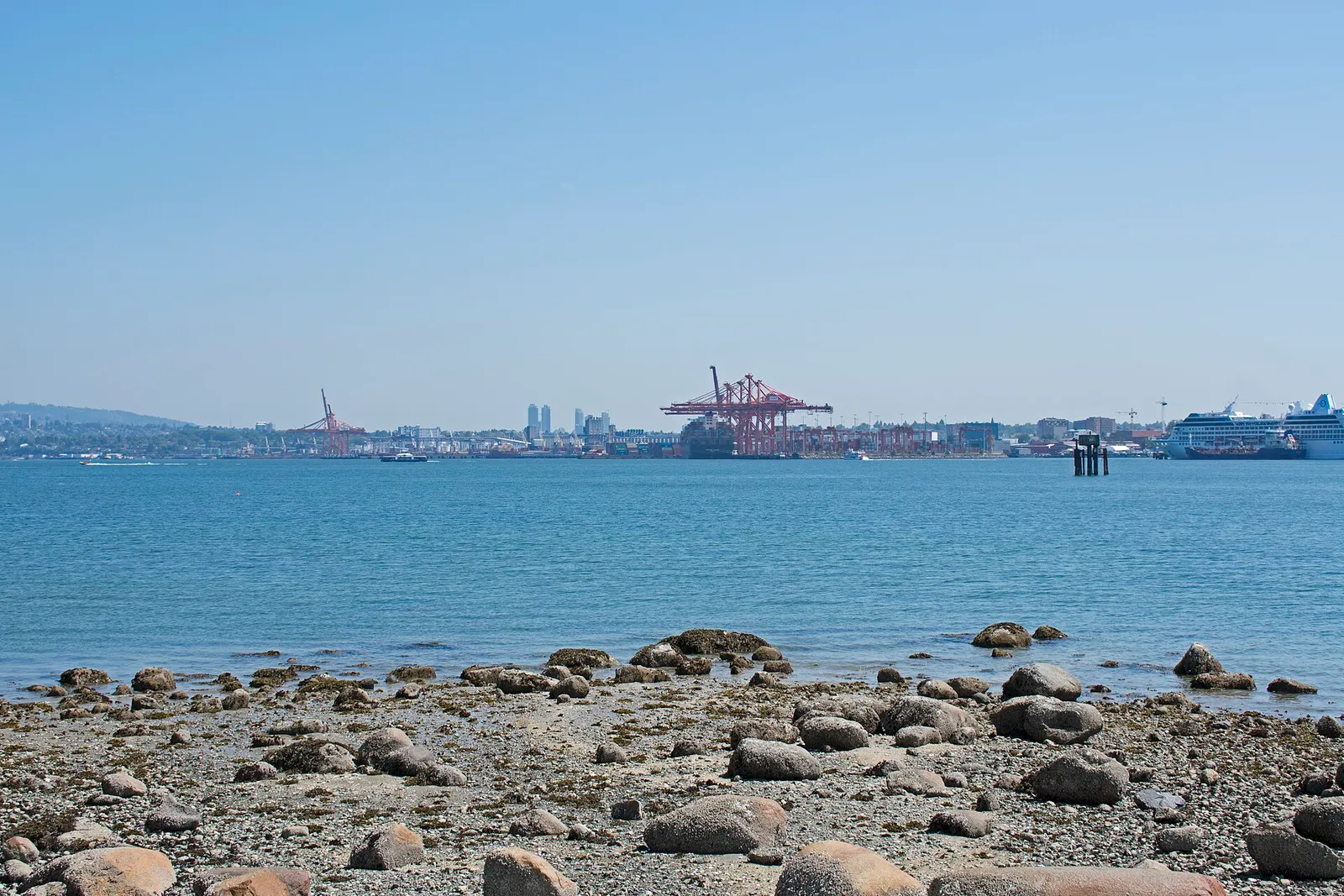
Crucially, Carney said the plan would not come at the expense of an existing ban on oil tankers along the northern BC coast. "The tanker ban will remain in place," he said, presenting the pipeline alongside a separate Canada–British Columbia cooperation agreement that includes federal money to expand port facilities in Vancouver, according to CBC News. Squaring a new export pipeline with a tanker ban on part of the coast is one of several tensions the project will have to resolve.
A project without a builder
For all the political momentum, a basic obstacle remains: no private company has committed to build or fill the pipeline. Carney himself confirmed that the west coast project still lacks private-sector backing, The Globe and Mail reported. Major oil-sands producers, whose crude would fill the line, have been cautious, citing uncertainty over climate policy and the sheer scale of investment involved.
That gap between political ambition and commercial reality is central. Governments can champion a pipeline, but in Canada such projects are typically built and paid for by industry — and without a proponent willing to shoulder the cost and risk, the plan remains a proposal rather than a project.
Deep opposition
The idea also faces determined resistance in British Columbia, from environmental groups and from Indigenous nations whose territories the routes would cross. Coastal First Nations have long opposed a bitumen pipeline to the north coast, warning of the environmental risks a spill would pose to the coastline and to communities that depend on it. BC's provincial government has also been wary.
The dispute carries strong echoes of the Northern Gateway pipeline, a similar Alberta-to-Pacific project that was approved in 2014 but ultimately cancelled in 2016 after courts found the government had failed to adequately consult First Nations. That history looms over the current effort, and opponents point to it as a warning that pushing ahead without genuine Indigenous consent invites the same fate.
The balance to strike
Supporters counter that Canada can produce and export oil responsibly while investing in emissions reductions, and that the country should not leave the economic value of its resources stranded for want of a way to reach global markets. The federal and Alberta governments have tied the pipeline discussion to commitments on carbon pricing and carbon-capture technology, an attempt to reconcile expanded exports with climate goals.
Whether that balance can be struck — commercially, environmentally and with the consent of affected communities — is now the question. For Carney, the pipeline is a test of his stated goal of diversifying Canada's trade away from the US. For its opponents, it is a line that should not be crossed. Between the two lies a project that, for now, exists mainly on paper.