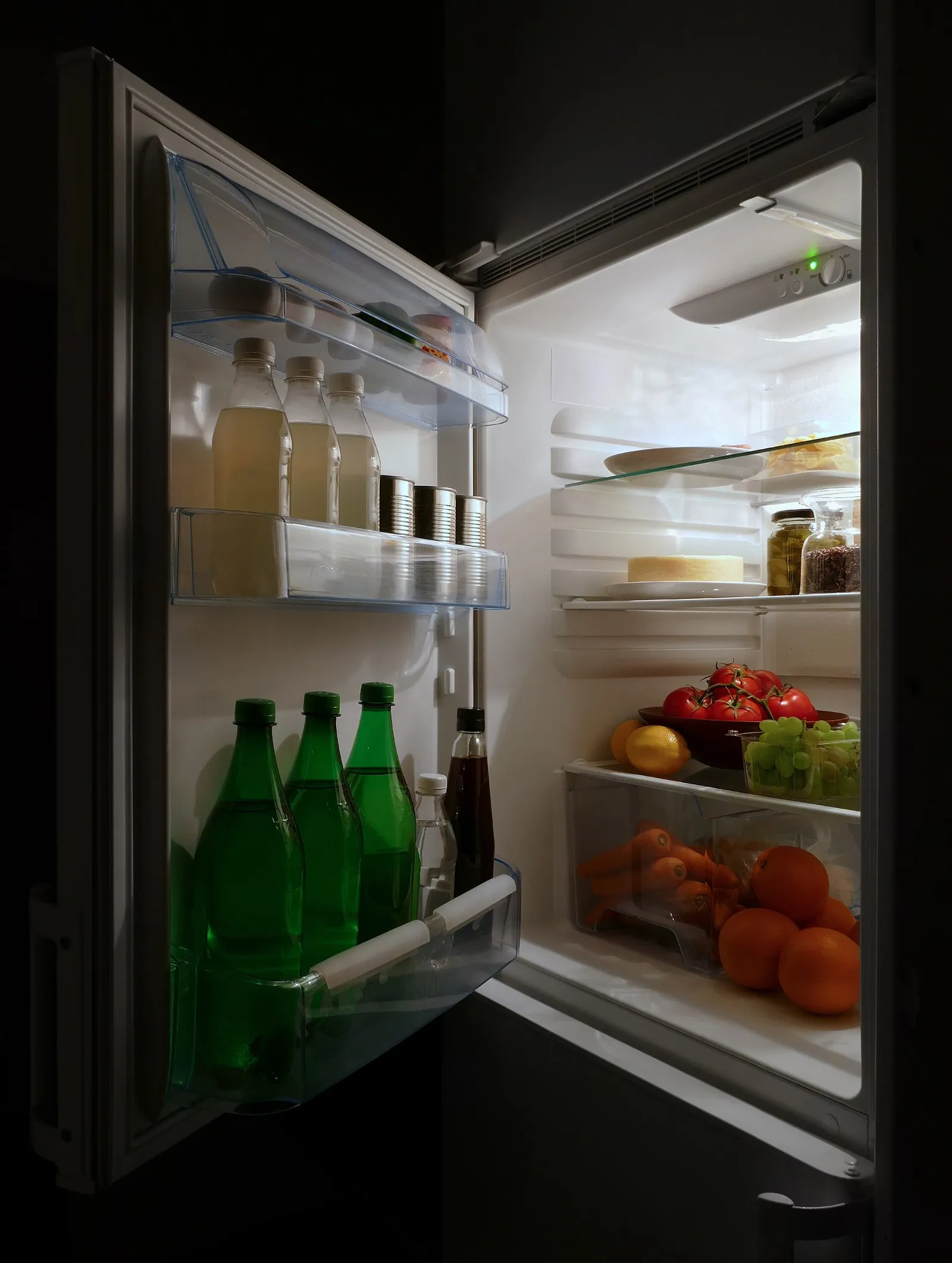
A refrigerator is one of the few appliances that never gets a rest, and most of the time we never think about it. But a run of very hot days can expose a limit that is printed, in small letters, on a label most owners have never read: the temperature range the machine was actually built to handle.
The "climate class" on the label
Refrigerators and freezers are assigned a "climate class," a standard rating that tells you the range of room temperatures in which the appliance is designed to keep food at the right temperature. The common classes are broadly as follows: SN (extended temperate), rated for rooms of about 10 to 32 degrees Celsius (50–90°F); N (temperate), about 16 to 32°C; ST (subtropical), about 16 to 38°C (100°F); and T (tropical), about 16 to 43°C (109°F).
The number that matters during a heat wave is the top of that range. A fridge rated only to 32°C is not guaranteed to hold its internal temperature if the kitchen around it climbs past that — and kitchens, with ovens, sunlight and appliances all giving off heat, can get hotter than the outdoors. Many appliances sold in cooler climates carry the lower ratings, which is why an unusually hot spell can push them beyond what they were designed for.
Why older fridges struggle most
Age makes the problem worse. Over years of use, door seals harden and stop closing tightly, insulation degrades, and the condenser coils at the back or underneath collect dust — all of which force the machine to work harder to shed heat. In a hot room, an older fridge may run almost constantly, using markedly more electricity while still failing to reach a safe temperature. The result can be food that spoils faster than expected and an appliance under strain.
For food safety, the target inside a fridge is generally at or below about 5°C (40°F), with freezers around −18°C (0°F); above those thresholds, bacteria multiply more quickly. In a prolonged heat wave, that margin can quietly erode without an obvious sign until something goes off.
What you can do
The good news is that most of the fixes are simple and cost little. Practical steps recommended by appliance and food-safety guidance include:
- Check the label. Find your appliance's climate class and note the top temperature it is rated for; that tells you how much heat it can take.
- Keep it away from heat. Don't place a fridge next to an oven, a radiator or in direct sunlight, and give it room to breathe — the coils need airflow to release heat, so leave clearance around and behind it.
- Clean the coils. Dust on the condenser coils is one of the biggest hidden drags on efficiency; clearing it can help the fridge run cooler and cheaper.
- Don't run it empty or overstuffed. A reasonably full fridge holds its cold better, but cramming it too tightly blocks air circulation. Aim for a sensible middle.
- Open the door less. Every opening lets warm air in; during a heat wave, decide what you want before opening, and close it promptly.
- Use a thermometer. A cheap fridge thermometer takes the guesswork out of whether the inside is actually staying cold enough.
The bigger picture
None of this is cause for alarm about a single warm afternoon; refrigerators are robust, and a brief spike is usually fine. The point is longer-term: as extreme heat becomes more common, the assumptions built into older appliances — that the room around them will rarely get very hot — are being tested more often. For most households the answer is not a new fridge but a little attention: knowing what the label says, keeping the machine clean and well-placed, and checking, on the hottest days, that the cold air is still doing its job.