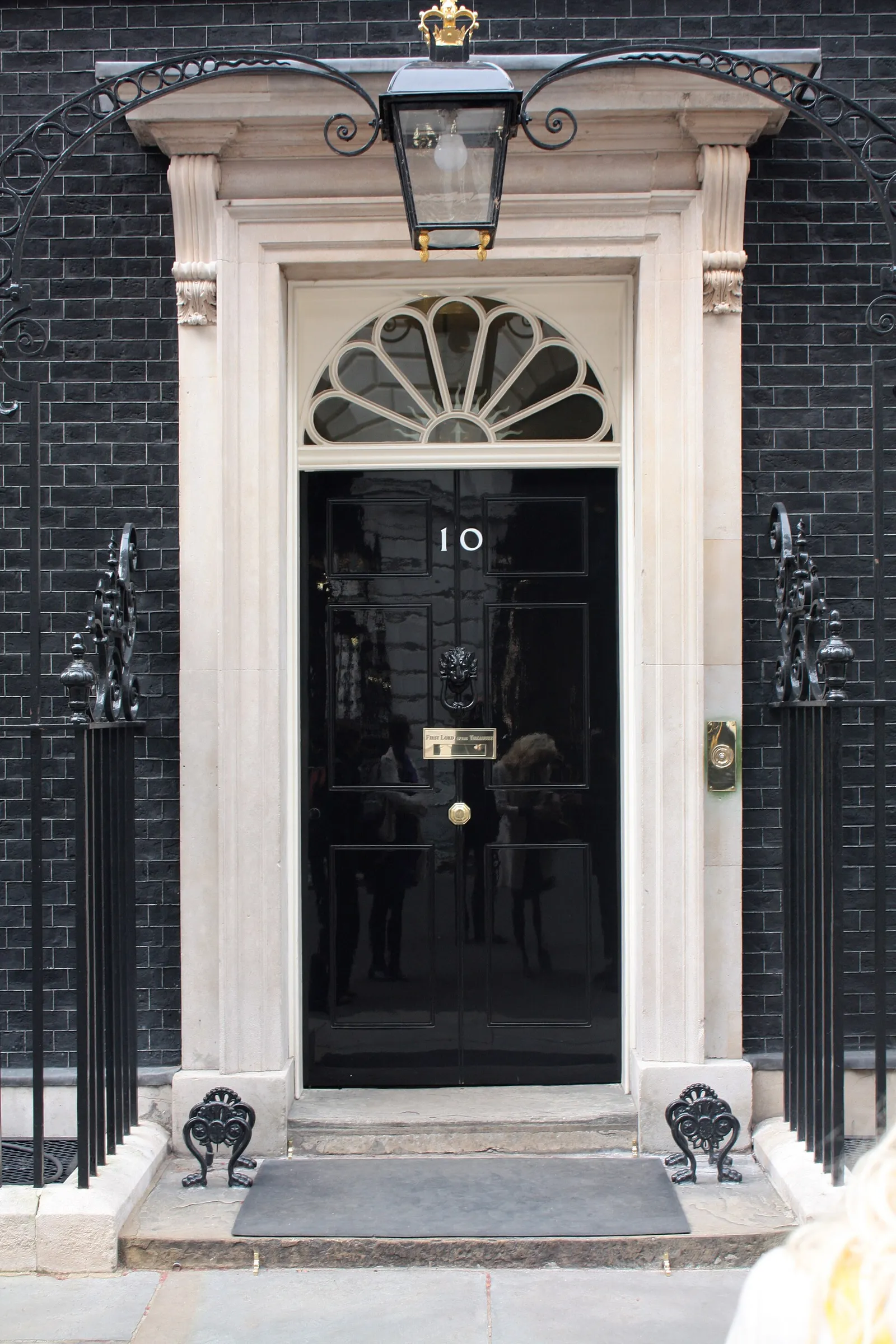
Britain is in the middle of an unusually fast-moving change at the top. With Sir Keir Starmer stepping down, the race to lead the Labour Party — and, because Labour is in government, to become prime minister — has quickly narrowed around one man: Andy Burnham, the mayor of Greater Manchester. His rise has been so rapid that the main worry inside the party is now less about who will win than about whether there will be a genuine contest at all.
From city hall to the front of the queue
Burnham's path back to the national stage required an unusual maneuver. Under Labour's rules, a leadership candidate must be a member of Parliament — and Burnham, as a regional mayor since 2017, was not. That obstacle was cleared when a Labour MP stood aside from the Makerfield seat, allowing Burnham to win it in a by-election and return to the Commons, as TIME reported. He was sworn in as an MP on June 22, the same day Starmer announced he was resigning.
Starmer's departure followed a difficult stretch for Labour, including poor results in May's local elections and a series of resignations from his government. His exit opened the leadership, and Burnham moved quickly to position himself as the successor.
Why it looks like a coronation
The sense that the race is all but settled hardened when Wes Streeting, a senior figure widely seen as Burnham's most serious potential rival, threw his support behind him rather than standing himself, according to PBS News. With other heavyweights holding back, the mood among Labour MPs, as one account put it, has been moving "swiftly towards the coronation route, not the competition route."
The party's National Executive Committee has set out a timetable, with nominations to be collected in mid-July. If no rival candidate comes forward, Burnham could be confirmed as Labour leader — and therefore prime minister — as soon as mid-July, without a wider vote of the membership.
The concern inside the party
That prospect is precisely what has prompted some Labour MPs to press the NEC. Their worry, reported by several outlets, is that a contest with only one candidate looks less like a democratic choice than a fait accompli — and that a new prime minister installed without a proper race could face questions about his mandate from the outset. They are urging the party's machinery to ensure the process is seen to be fair and open, whatever the likely result.
Supporters of a swift resolution counter that a drawn-out contest would leave the government rudderless at a difficult moment, and that if Burnham has overwhelming support, forcing an artificial race serves little purpose. Both arguments reflect a genuine tension in party politics: the value of a clear, quick transfer of power against the legitimacy that comes from open competition.
What Burnham is offering
Burnham has used his platform to sketch a distinctive pitch. Drawing on his record as a champion of England's regions against London, he has floated the idea of a "No 10 North" — running part of the government from Manchester — as a symbol of shifting power and resources away from the capital. He has paired that with promises to raise living standards and to devolve more authority to local communities, positioning himself as an agent of change even as his party remains in office.
What happens next
For now, Britain has a caretaker arrangement, with Starmer remaining prime minister until a successor is chosen. The coming weeks will settle whether Burnham faces any challenger or walks into Downing Street unopposed — and, either way, he would inherit a party bruised by recent setbacks and a country facing the same economic and political pressures that dogged his predecessor. The speed of his ascent is remarkable; the harder test, as his own would-be colleagues are signaling, is making sure it is seen as legitimate.