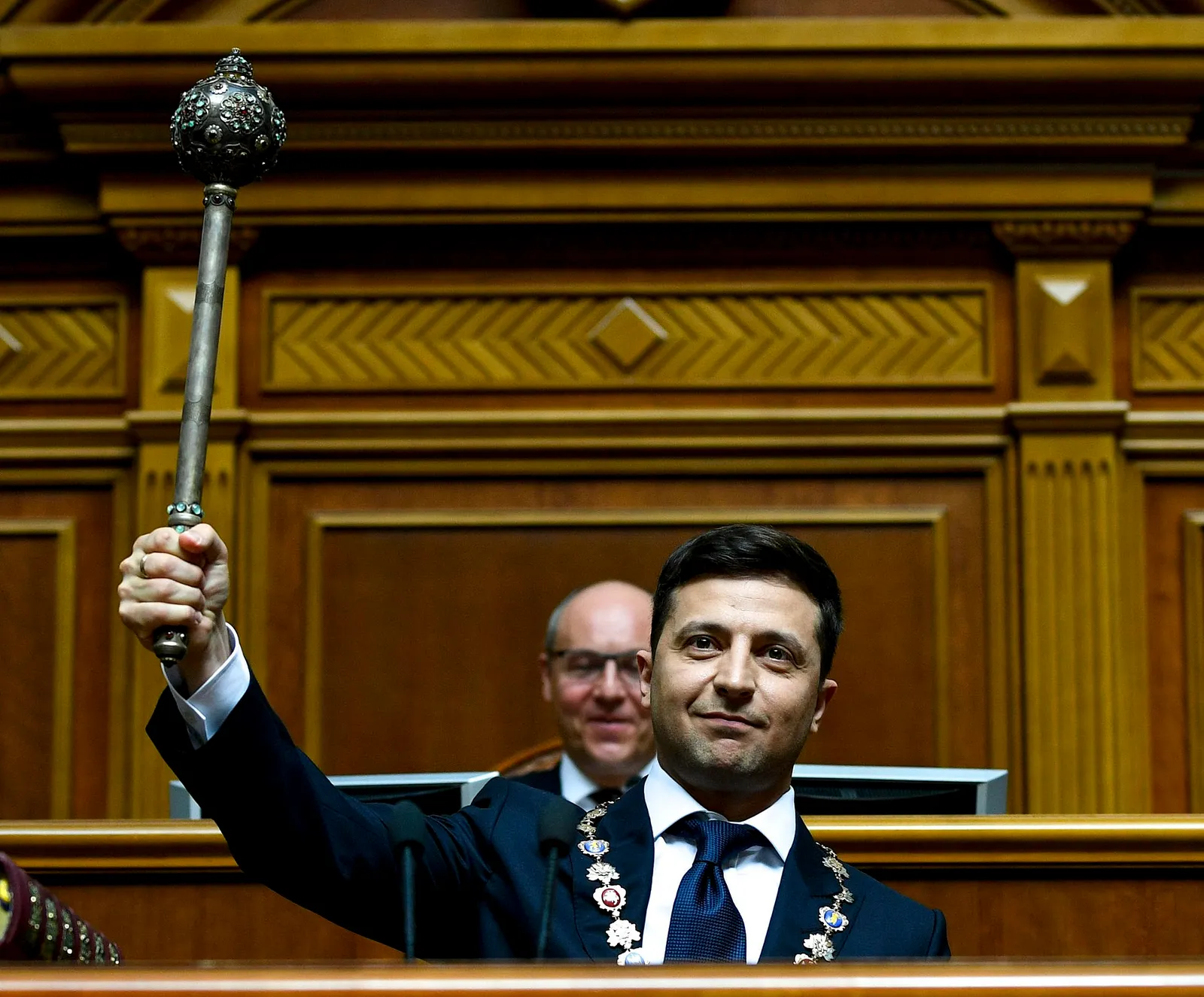
Ukraine's president, Volodymyr Zelensky, is pressing NATO governments to urgently supply more air-defense missiles, after a Russian assault on Kyiv laid bare how thin the country's defenses have become. The appeal comes as alliance leaders gather for a summit in Turkey.
An attack the defenses could not stop
The barrage on Kyiv, overnight into Monday, killed at least 22 people, a toll that rose through the day as rescuers searched the wreckage of residential buildings, and wounded scores more. Ukraine's air force said none of the ballistic missiles fired at the capital were intercepted, Euronews reported. Officials said Russia has increasingly leaned on ballistic missiles precisely because Ukraine lacks enough interceptors to counter them, a spokesman putting it bluntly: the systems are there, but the missiles to fire from them are running short.
The ask at the summit
Zelensky has framed the coming NATO meeting as a moment for allies to act. "It is critically important," he said, that the United States and Ukraine's European partners "come out of the NATO summit ... with strong decisions in support of our air defense," TIME reported. Ukrainian officials have appealed to a wide group of partners to release Patriot interceptors from existing stocks now, in exchange for later deliveries, Defence Industry Europe reported. The US-made Patriot remains Ukraine's main shield against ballistic missiles.
A stretched supply
The difficulty is that interceptors are scarce everywhere. Demand has climbed as other regions build up their own defenses and as conflicts elsewhere have drawn down stockpiles, leaving allies to weigh Ukraine's needs against their own. European leaders have voiced support: the European Commission president, Ursula von der Leyen, said Ukraine "urgently needs more air defense" and that it would be discussed at the summit.
Why it matters now
For Kyiv, the argument is stark and immediate: each gap in its air defenses is measured in lives, and Russia has shown it will aim at the openings. Whether the summit produces the "strong decisions" Zelensky wants, concrete pledges of interceptors on a timetable that matches the pace of Russian strikes, rather than expressions of concern, will shape how exposed Ukrainian cities remain in the weeks ahead.