As the World Cup reaches its final on Sunday, the tournament is on course to be the most lucrative in the competition's history. But behind the record revenues lies a more complicated question, familiar from every big sporting event: who actually comes out ahead.
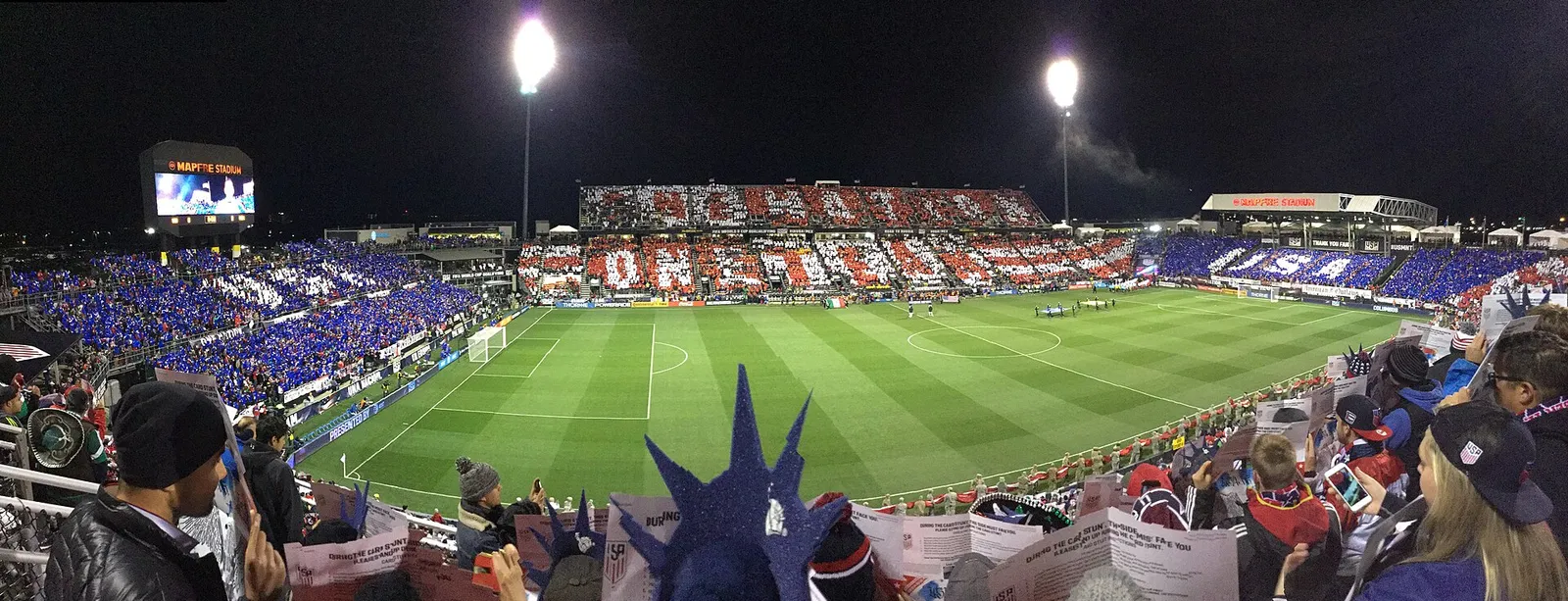
This is the first World Cup with 48 teams rather than 32, co-hosted by the United States, Canada and Mexico, and the expansion has swelled the number of matches by well over half. More games mean more to sell, and FIFA is expecting record revenue from broadcasting rights, sponsorship and ticketing, cementing the tournament's place as football's commercial powerhouse.
The clear winners
FIFA itself is the most obvious beneficiary, taking in billions of dollars that fund its operations and its distributions to member associations around the world. Broadcasters and streaming services, having paid heavily for the rights, gain a vast slate of live content spread across favourable time zones. Major sponsors secure global exposure at a moment when much of the planet is watching.
Players and teams share in the bounty too. FIFA has set a record pot of prize money and payments for the 2026 tournament, with every participating nation guaranteed a substantial sum and the champions in line for tens of millions of dollars, alongside payments to the clubs that release players. For the sport's elite, the rewards have never been greater.
The less obvious losers
The picture is murkier for the places that stage the event. Host cities take on real costs, for security, transport, and preparing stadiums and surrounding areas, that can run into the hundreds of millions of dollars across the tournament. Boosters point to a surge in visitors and spending; early data from host cities has shown an uptick in activity driven by out-of-town fans. But economists have long been skeptical that such short-term boosts justify the outlays, warning that the promised long-term legacies of big sporting events frequently fail to materialise.
Fans, too, can find themselves on the wrong side of the ledger. The use of dynamic, demand-based pricing for tickets has pushed the cost of attending some matches sharply higher, raising concerns that ordinary supporters, and especially those on lower incomes, are being priced out of the game they love. High prices may fill FIFA's coffers, but they change who gets to be in the stadium.
An uneven bargain
The upshot, analysts suggest, is a tournament that generates enormous economic activity but distributes it unevenly. The reliable winners are large, well-resourced institutions: the governing body, global broadcasters and sponsors, and the wealthiest clubs and players. The risks fall more heavily on host cities gambling that visitor spending and civic prestige will justify their investment, and on fans and small local businesses whose gains are far less certain.
None of this is unique to 2026; it is the recurring economics of mega-events, in which the headline figures are dazzling and the fine print is where the trade-offs live. As Argentina and Spain contest the final before a global audience of hundreds of millions, the football will, rightly, take centre stage. But the tournament's balance sheet is a reminder that the world's most popular sporting event is also one of its biggest businesses, and that in business, not everyone who plays comes out ahead.