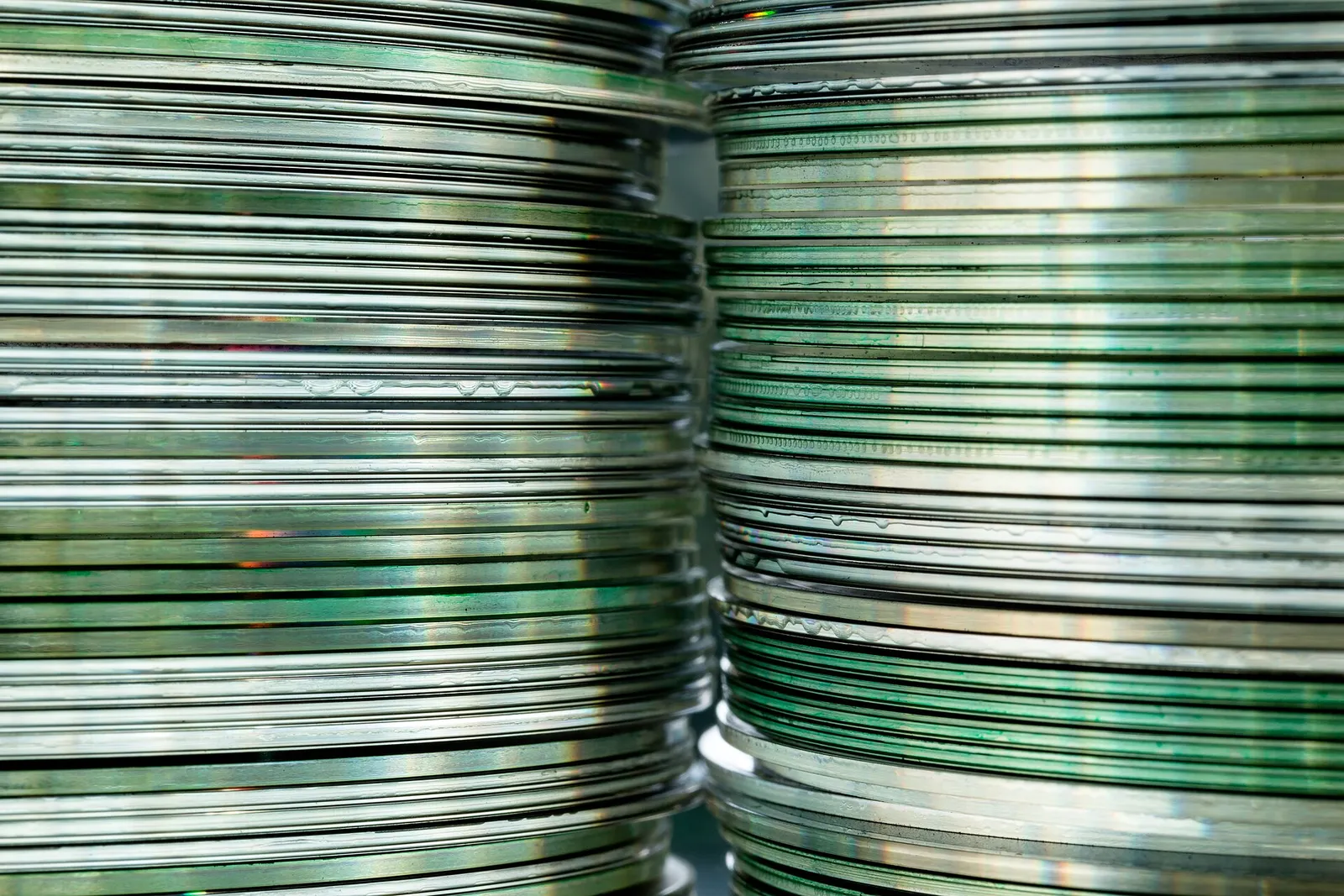
For years the compact disc looked like a format on its way to the dustbin, elbowed aside first by downloads and then by streaming. Lately, though, the story has grown more complicated. While vinyl has hogged the headlines with its improbable revival, the humble CD has quietly stopped falling, and in some markets has begun to rise again.
The trend is real but modest, and it comes with plenty of caveats. Industry trackers such as Luminate have reported CD sales growing again, reversing years of steady decline, even as the format remains a small fraction of what it was at its turn-of-the-century peak. Vinyl still outsells CDs, and streaming dwarfs both, accounting for the vast majority of the money the recorded-music business now makes. What has changed is that the CD's long slide has, at least for now, levelled off.
Who is buying, and why
Much of the momentum comes from a few identifiable sources. The first is the world of K-pop, whose devoted fans buy physical CDs less to play than to collect. Albums are released in multiple variant editions, packed with photo cards and extras, encouraging the most committed fans to buy several copies. That collector culture has become one of the single biggest drivers of CD sales.
A second source is the pop mainstream, where major artists have taken to releasing their albums in a dizzying array of physical formats, CDs, vinyl, cassettes and deluxe boxed sets, each a slightly different collectible. For chart-topping stars with large, engaged fanbases, physical editions have become both a revenue stream and a way for fans to show devotion.
A third, more practical factor is price. As vinyl's popularity has grown, so has its cost, with a single new record now often approaching the price of a night out. CDs, by comparison, remain cheap, typically a fraction of the cost of an LP, which makes them an accessible way for younger or budget-conscious listeners to own music, and an easy gift.
The pull of the physical
Underlying all of this is something streaming struggles to provide: the appeal of an object. In an age of infinite, frictionless access, where any song is a tap away, a physical disc offers ownership, permanence and a way to display one's taste. For a generation raised on Spotify, buying a CD can be a small, deliberate act, a way of supporting an artist and holding on to a piece of music rather than merely renting access to all of it.
None of this amounts to a comeback in the old sense. CDs are not about to challenge streaming, and their revival rests heavily on fandom and collectibility rather than a return to everyday listening. Should the enthusiasm of superstar fanbases cool, or vinyl prices ease, the numbers could just as easily turn down again.
But for now, the format that everyone had written off has found an unexpected second wind. It turns out that reports of the CD's death, like those of a few other supposedly obsolete technologies, were a little premature.