Torrential rain has once more sent rivers surging across the Texas Hill Country, killing at least one person and reviving painful memories of the disaster that devastated the same region just over a year ago.
At least one death was reported in Kerr County, near Center Point between Kerrville and Comfort, as flash-flood emergencies were declared across parts of central Texas on July 16. Officials cautioned that the situation was still unfolding and that the toll could change as search and rescue efforts continued.
A river that rises in minutes
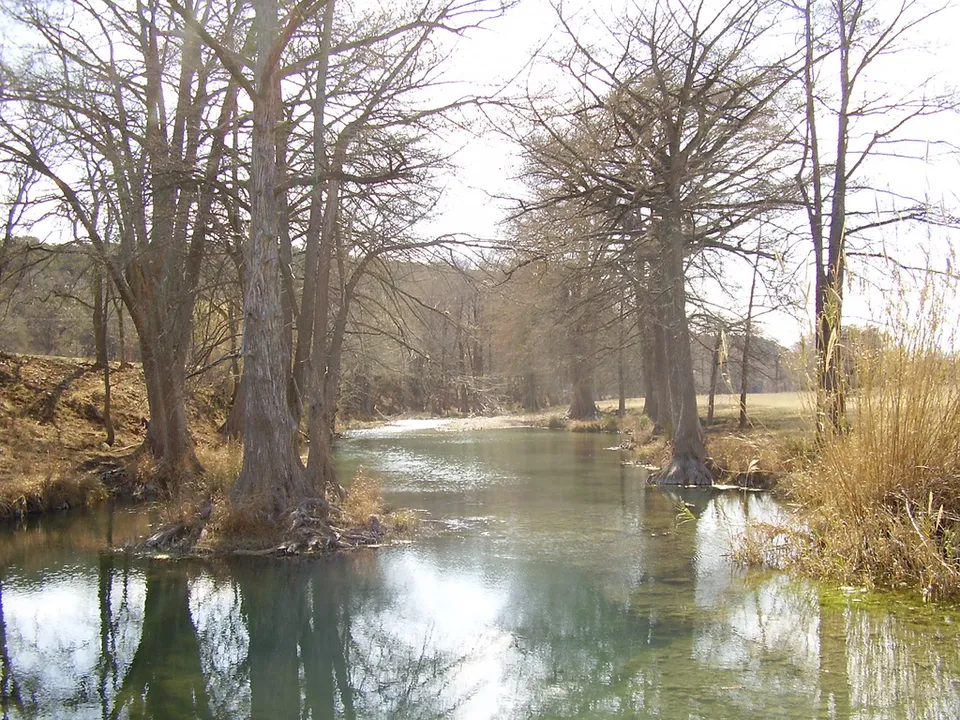
The Guadalupe River, which winds through the hills west of San Antonio, rose with the ferocious speed that makes the area so dangerous. Reports described the river climbing more than 20 feet in about an hour at points along its course, after storms dumped as much as 10 to 20 inches of rain over two days. The National Weather Service warned of a "large and deadly flood wave" moving down the river and urged people near the water to move immediately to higher ground.
Emergency crews carried out numerous water rescues. The state's governor, Greg Abbott, said dozens of people had been pulled from the floodwaters by midday, and game wardens and helicopter teams were deployed across several counties. Evacuation orders and flood warnings were issued for a swathe of the region.
Echoes of last year
The flooding struck almost exactly a year after one of the deadliest natural disasters in recent Texas history. On July 4, 2025, floods along the Guadalupe killed more than 130 people, among them 27 at Camp Mystic, a long-established girls' summer camp where campers and counsellors were swept away as the river rose in the night. That tragedy prompted investigations and new safety measures, and left the region acutely alert to the danger of sudden flooding.
This time, authorities moved quickly to account for those most vulnerable. Officials said the summer camps operating in Kerr County had confirmed that their campers were in safe locations, and that the worst of the flooding was downstream of where many of the camps sit. It was a small measure of reassurance against a backdrop of fear.
A pattern of extremes
The Hill Country is known as "flash flood alley," a place where dry, rocky terrain and sudden, intense downpours combine to turn placid rivers into torrents within minutes. Scientists have warned that a warming climate is making the most extreme rainfall events more likely, raising the stakes for communities built along rivers that can rise faster than people can flee.
For residents still grieving and rebuilding from last year, the return of high water so soon is a cruel reminder of their exposure. As the rain eased, attention turned to accounting for anyone unaccounted for, clearing washed-out roads and bridges, and bracing for the possibility of more storms. Officials repeated the advice that saves lives in such moments: heed the warnings, avoid flooded roads, and do not wait to move to higher ground.