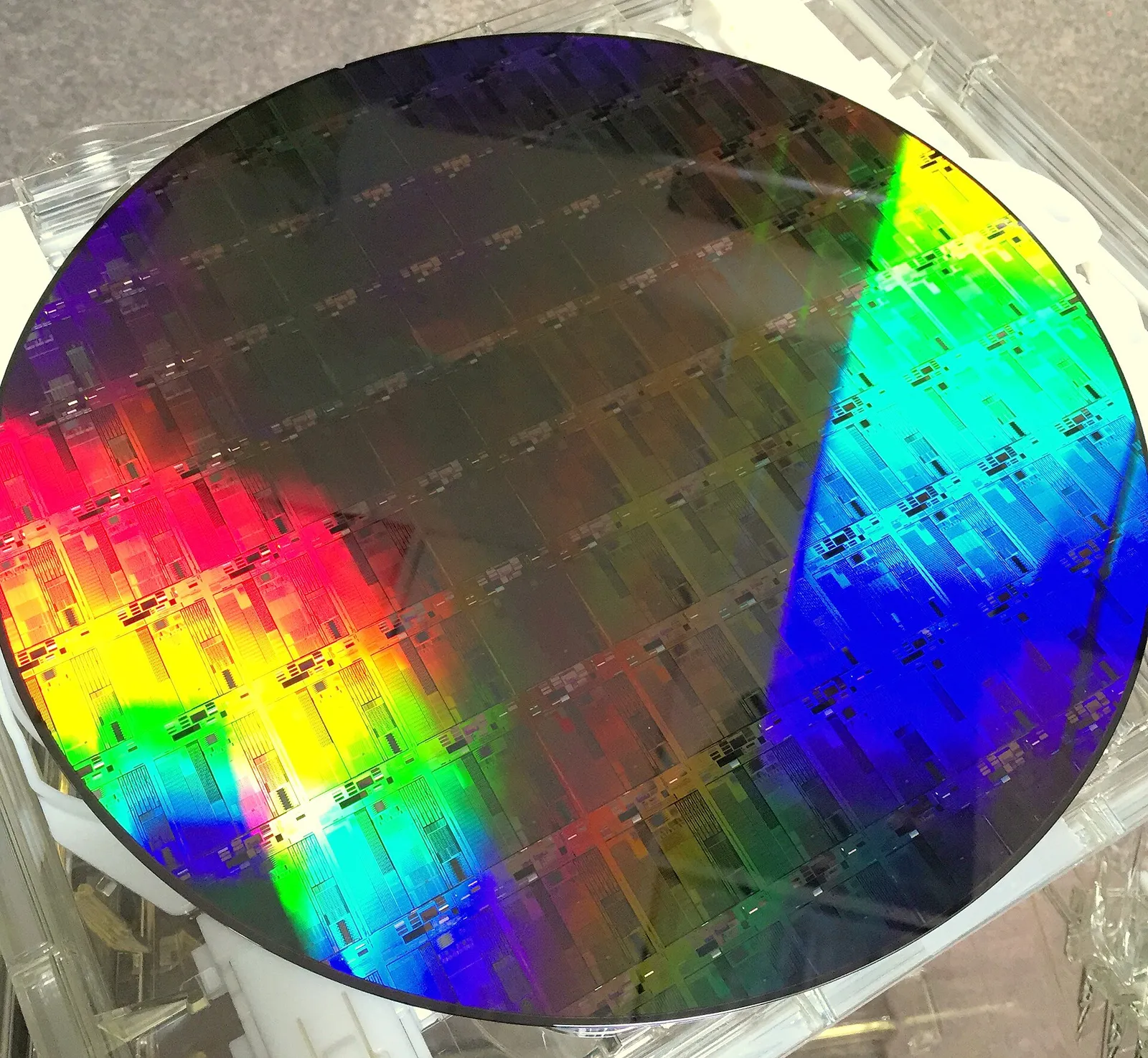
Taiwan's TSMC, the company that makes most of the world's most advanced computer chips, has committed an additional $100bn to expand its manufacturing in the United States, a striking escalation of a project already among the largest foreign investments in American history.
The pledge, announced on July 16 as the company reported its latest earnings, comes on top of the $165bn TSMC promised in March 2025 for its complex in Arizona, bringing its total planned US commitment to roughly $265bn. The chairman, C.C. Wei, said the firm would move "as fast as possible" but declined to give a firm timeline, noting that the pace would depend on customer demand.
Chasing the AI boom
The expansion is being driven above all by artificial intelligence. Demand for the powerful processors that train and run AI systems has surged, and TSMC, which manufactures chips designed by companies such as Nvidia and Apple, has been a prime beneficiary. The company reported record profits for the quarter, according to reporting on its results, with high-performance computing and AI now accounting for the bulk of its revenue.
The new money will fund additional plants in Arizona producing chips at the most advanced levels, the two-nanometre generation and beyond, along with facilities for "advanced packaging," a increasingly important step that stitches chips together to squeeze out more performance. The company is expected to build several more fabrication plants, known in the industry as fabs, on top of those already planned.
Politics as well as economics
The decision is not driven by commercial logic alone. Washington has for several years pressed to reduce American dependence on chips made in Asia, and particularly in Taiwan, viewing domestic production as a matter of economic and national security. Tariffs and the threat of them, along with incentives to build in the United States, have pushed chipmakers to commit to American plants, and TSMC's announcement is the most eye-catching example yet.
For Taiwan, the calculation is more delicate. The island's dominance of cutting-edge chipmaking is often described as a "silicon shield," a source of strategic value that gives the world, and especially the United States, a powerful interest in its stability. Moving production abroad raises questions at home about whether that shield could be weakened. TSMC and the Taiwanese government have sought to reassure critics by keeping the very newest technology in Taiwan, with overseas plants generally running a step or two behind the most advanced processes made on the island.
A bet on sustained demand
The scale of the commitment reflects confidence that the current appetite for AI chips will endure. That is not guaranteed: the semiconductor industry is famously cyclical, prone to gluts as well as shortages, and Wei's careful language on timing suggests the company is keeping its options open should demand cool.
Still, a promise to pour a quarter of a trillion dollars into a single American state over the coming years is a substantial vote of confidence, both in the technology and in the United States as a place to make it. If the plans are realised, they would reshape a global supply chain long concentrated in Asia, and hand America a far larger share of the production of the chips on which modern economies increasingly depend.