The war between the United States and Iran spilled further into the wider Gulf on Thursday, as Kuwait's military intercepted a barrage of Iranian drones and falling debris from the shoot-downs sparked fires and damaged property on the ground.
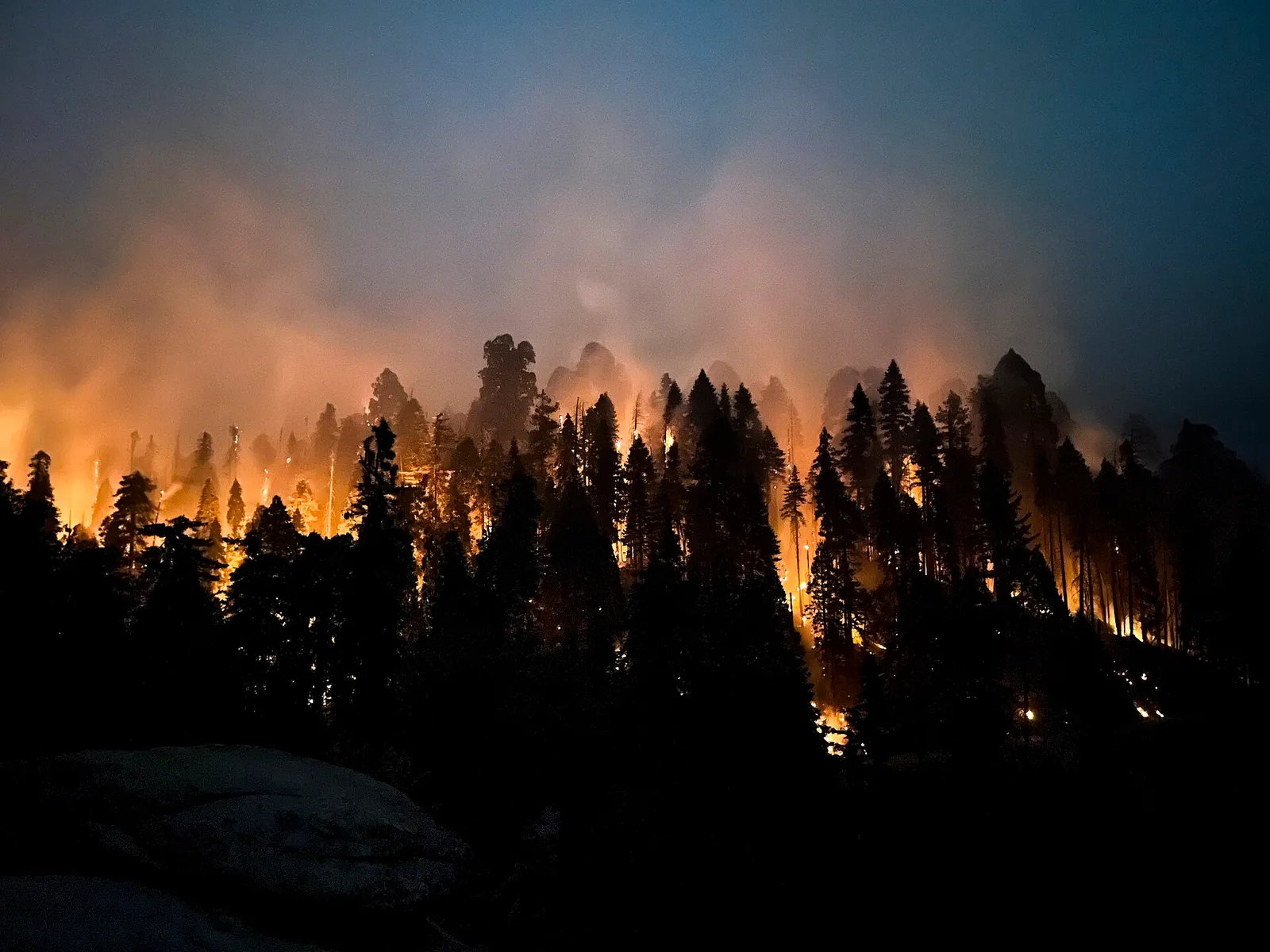
Kuwait's defense ministry said its air defenses had engaged dozens of drones, with debris from the intercepted weapons falling on residential areas and igniting blazes that firefighters rushed to contain. Officials reported material damage to homes and property; Kuwait, a close US ally, condemned the strikes as a violation of its sovereignty.
A war that keeps widening
The incident is part of a sharpening confrontation. After a ceasefire reached in June broke down, the United States reimposed a naval blockade of Iran, and Iran has responded by launching missiles and drones at US-allied states across the Gulf, where American forces are based. Kuwait has found itself repeatedly in the line of fire; earlier strikes this month were reported to have caused casualties, and the country's skies have become a nightly test for its air-defense crews.
Neighbouring states have faced similar scenes. Bahrain, home to the US Fifth Fleet, has sounded air-raid sirens, and other governments in the region have reported intercepting Iranian projectiles or explosions near sensitive sites. For the small Gulf monarchies, the danger is not only from the weapons aimed at them but, as Kuwait's fires showed, from the very act of shooting those weapons down: intercepted missiles and drones do not simply vanish, and their wreckage falls somewhere.
Caught in the middle
The Gulf states occupy an acutely uncomfortable position. Most host US military facilities and are aligned with Washington, yet they sit within easy reach of Iran and have no wish to be drawn into a war between their giant neighbour and their superpower partner. Their governments have urged de-escalation, even as their territories are struck or showered with debris.
The economic stakes are high as well. The Gulf is the artery of the world's oil trade, and the Strait of Hormuz, through which a large share of global crude passes, lies at the heart of the conflict. Each escalation rattles energy markets and raises fears of disruption to shipping, with prices sensitive to any sign that the fighting is spreading.
No clear off-ramp
For now, there is little sign of a way out. The United States has continued its military campaign and warned of further action if Iran does not return to talks, while Iran has shown its willingness to strike back across the region rather than only at American forces directly. Caught between them, countries like Kuwait are left to absorb the fallout, sometimes literally, of a war they did not choose.
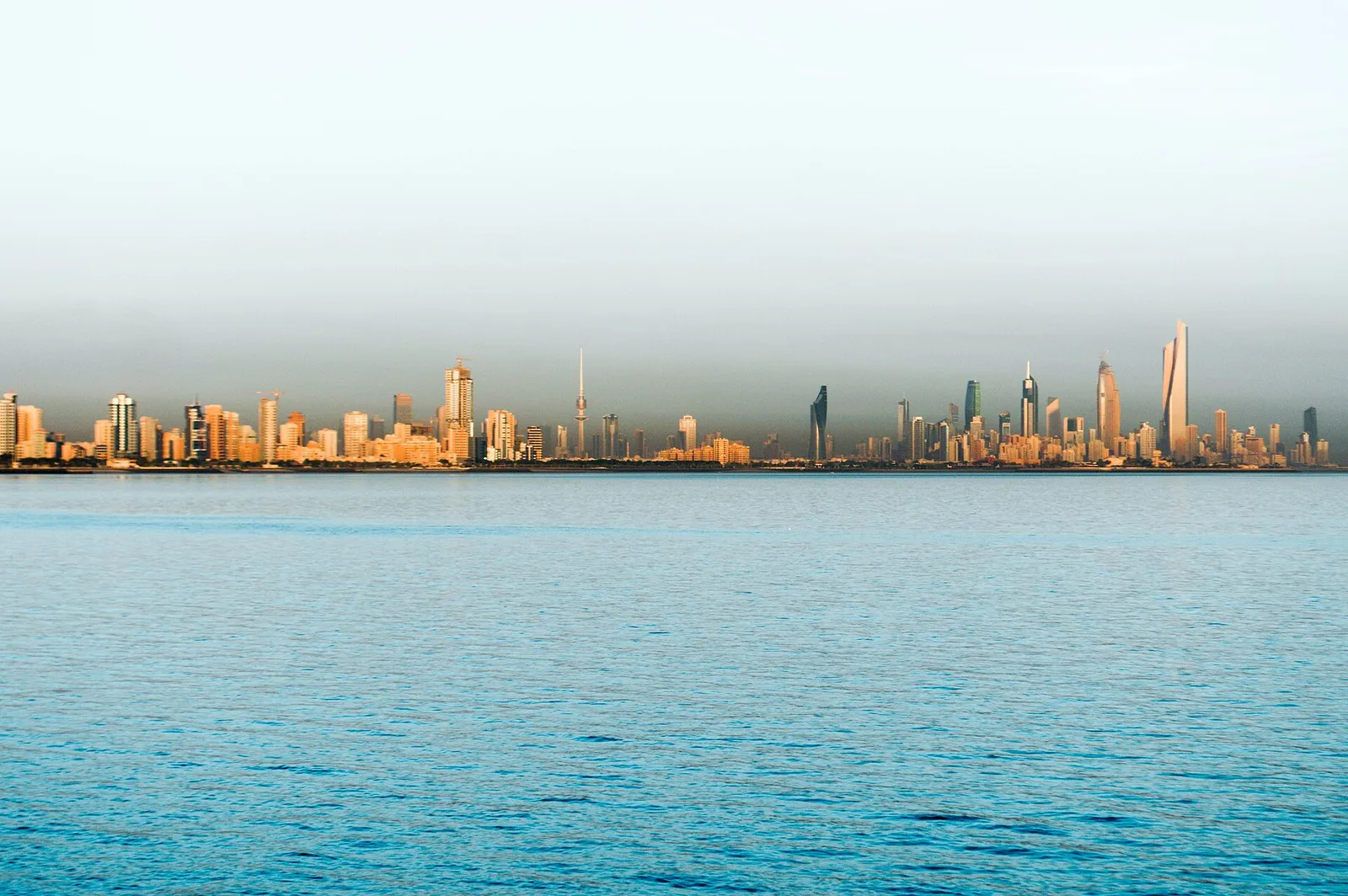
In Kuwait City, the immediate task was more prosaic: putting out the fires, assessing the damage and bracing for the possibility of more nights like this one. That a close US ally should be dousing blazes caused by debris from a war between two other powers is a measure of how far the conflict has already reached beyond its front lines.