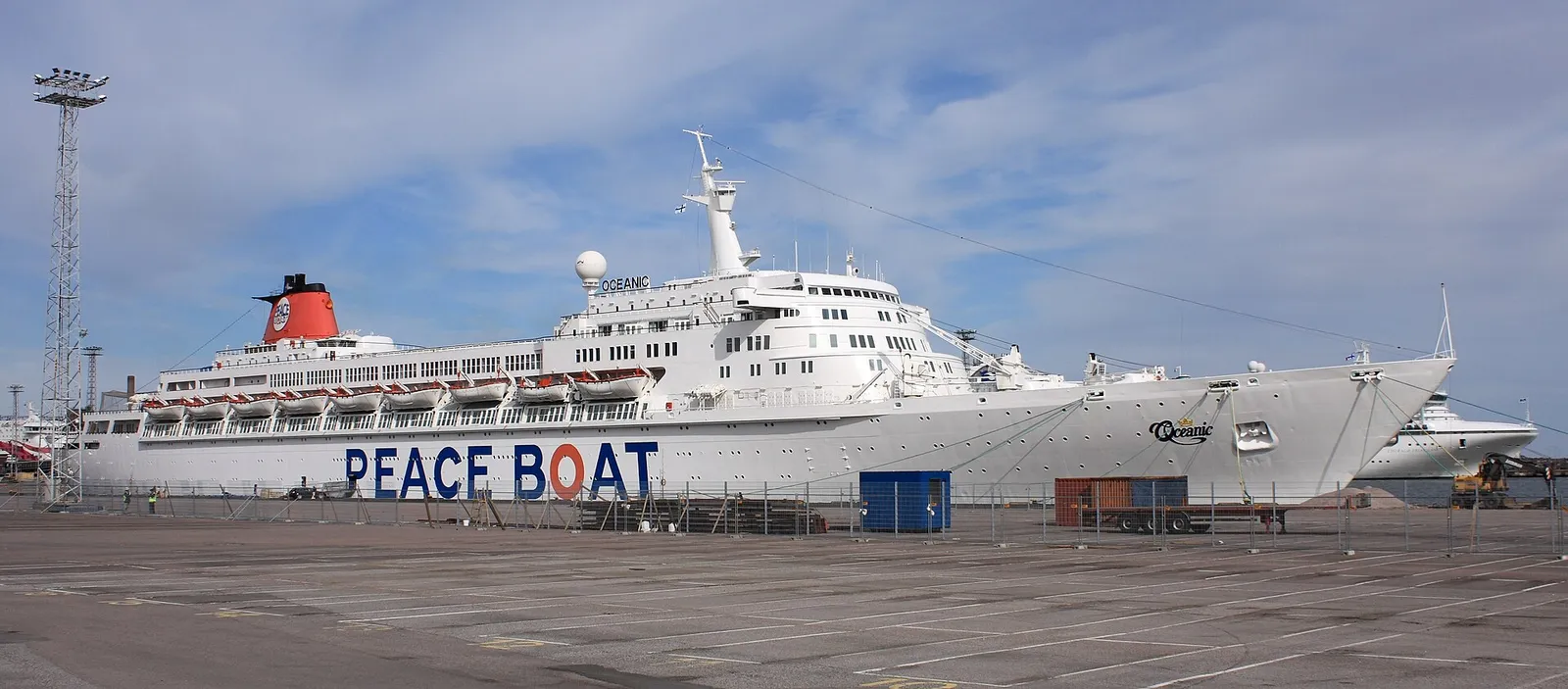
A cruise ship carrying passengers on a gay-themed Mediterranean holiday was turned away from ports in both Turkey and Egypt this month, drawing attention to the barriers that LGBTQ travellers can still face in parts of the region.
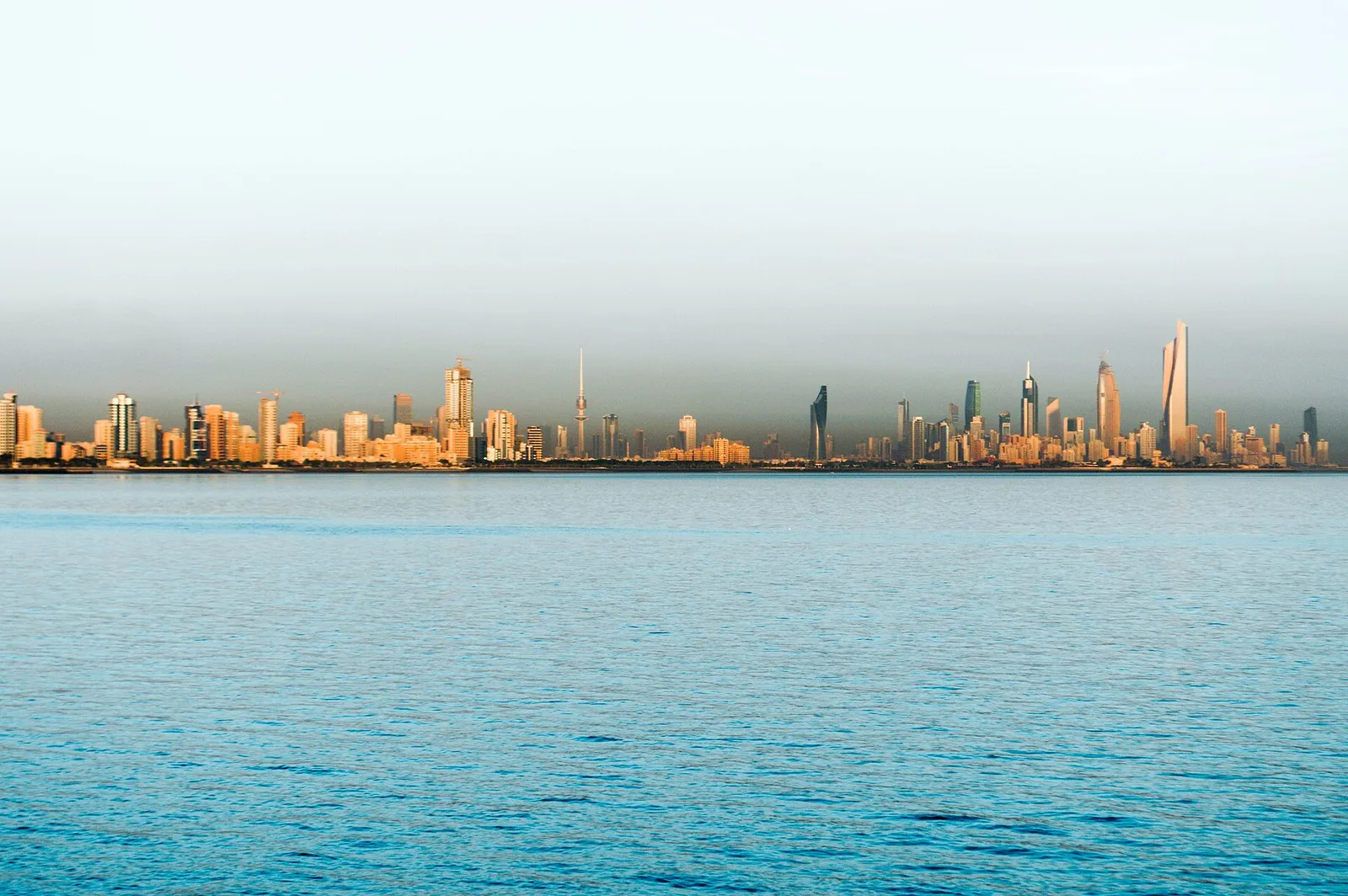
The voyage, run by Atlantis Events, a company that organises holidays for gay and lesbian travellers, aboard a Virgin Voyages ship, was first denied a stop in Turkey, where authorities objected to the nature of the trip. When the operator arranged an alternative call at Alexandria in Egypt, that too was blocked, and the ship was rerouted to a Greek port instead. The company said the consecutive refusals were unprecedented in its long history of running similar cruises.
The stated reasons
Turkish authorities, according to the operator and to news reports, justified the decision in terms of morality, saying the passengers were associated with conduct that did not align with the country's social structure and values. The matter had reportedly been amplified by conservative media before the ship's scheduled arrival.
Egypt, by contrast, offered no public explanation. Passengers were informed at short notice that the planned stop would not go ahead, and the vessel changed course. The operator's chief executive described the twin rejections as disappointing and strange, arguing that governments should not choose which tourists they are willing to admit, and stressing that the trip was a holiday rather than a political demonstration.
A wider context
Both Turkey and Egypt have laws and social norms that constrain public expression of LGBTQ identity, though the situation and its enforcement differ between them and can shift with the political climate. For gay and lesbian travellers, such cruises are often valued precisely as spaces where they can socialise openly, and organisers say the same itineraries have been sailed before without incident.
The episode sits within a broader pattern in which LGBTQ rights have become entangled with politics and national identity in a number of countries. What one government presents as the defence of traditional values, critics see as discrimination against people on the basis of who they are. Rights groups have argued that turning away tourists for their sexual orientation runs counter to principles of equal treatment; officials in the countries concerned frame the question as one of domestic norms and sovereignty.
Left to reroute
For those on board, the practical consequence was a disrupted holiday and a pointed reminder of how their welcome can vary sharply from one shore to the next. The ship completed its journey with an altered schedule, and the operator said it remained determined to give passengers an enjoyable trip despite the changes.
The affair is unlikely to be the last of its kind. As LGBTQ-focused tourism has grown into a substantial business, it increasingly runs up against the very different legal and cultural landscapes of the destinations it visits, a tension that, on this voyage, played out in the form of two closed ports and a hastily redrawn route.