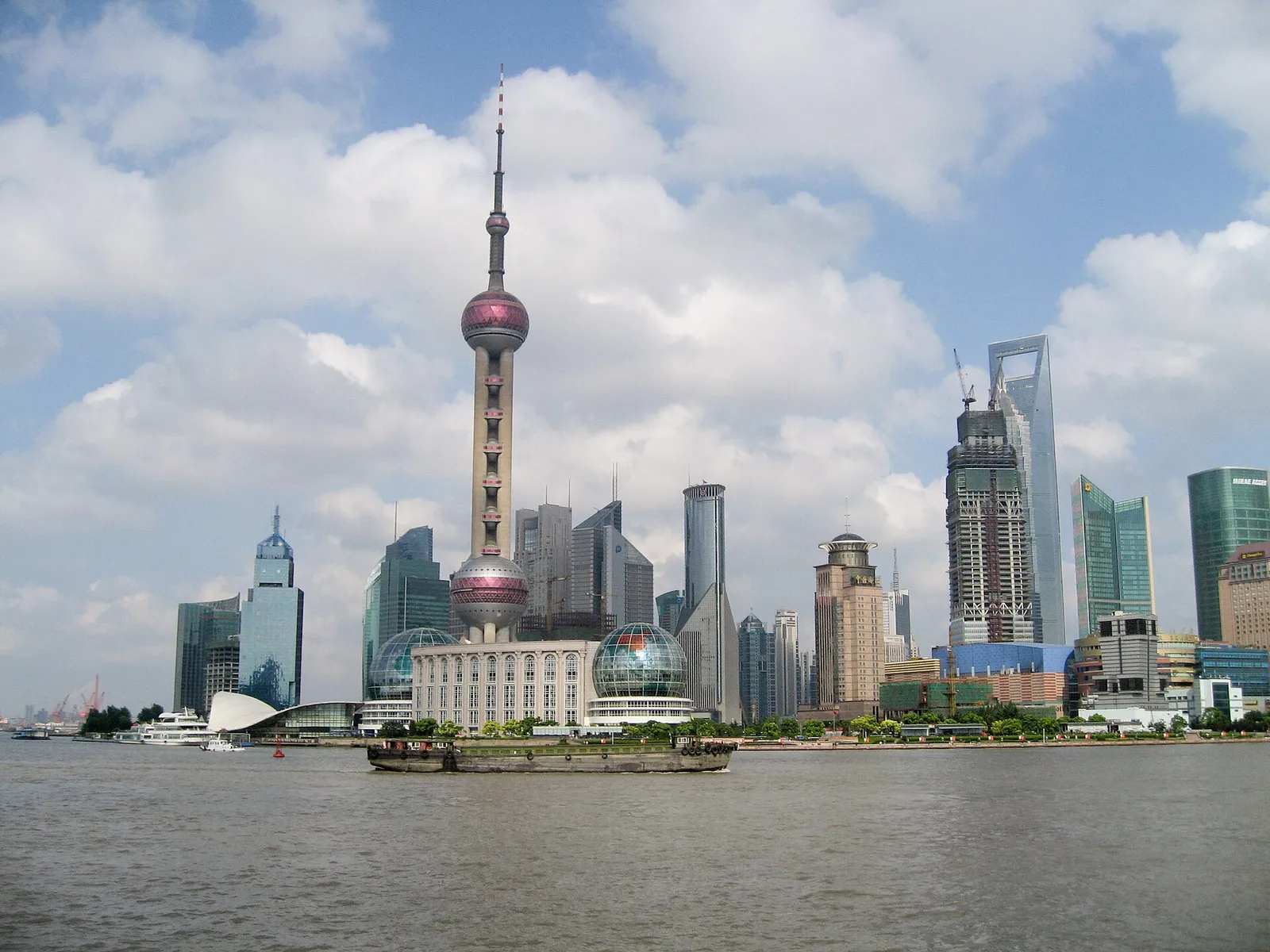
China's president, Xi Jinping, has called for artificial intelligence to be developed through international cooperation rather than controlled by any one power, using a major technology conference in Shanghai to press Beijing's case for a bigger say in how the technology is governed.
Addressing the World Artificial Intelligence Conference, Xi said that AI development "should not be a solo performance by a single country, but a symphony of international cooperation," according to reports of his remarks. He warned against "overstretching the national security concept" in the field, and said AI should remain "under human control" and be developed with a "people-centric" approach.
A rival vision of AI governance
The words landed against a backdrop of intensifying rivalry between China and the United States over AI and the advanced chips that power it. Washington has restricted the export of the most sophisticated processors to China, seeking to slow its progress, and has promoted AI governance efforts alongside its allies. Xi's warning about the misuse of "national security" was widely understood as a pointed reference to those controls.
Alongside the speech came an institutional push. China and around 29 other countries, among them Russia, Pakistan and Indonesia, agreed to establish a new World Artificial Intelligence Cooperation Organisation, to be headquartered in Shanghai, aimed at coordinating AI policy among its members. The body is being presented by Beijing as a forum for inclusive, orderly development of the technology, with a particular appeal to developing nations that fear being shut out of the AI age.
The initiative can be read two ways, and observers noted the tension. China casts it as a step towards shared, cooperative governance. Critics see it as an attempt to build an alternative bloc, centred on Beijing and courting the Global South, to counter AI rule-making led by the United States and Europe. That a country calling for AI not to be dominated by any single power is simultaneously assembling a grouping under its own roof is, to skeptics, the central irony of the plan.
Courting the world
The conference itself was a showcase of China's ambitions, drawing a large gathering of technology firms and international figures. The presence of senior global officials, including the United Nations secretary-general, António Guterres, lent the event weight and reflected how central AI governance has become to international diplomacy.
For Beijing, the appeal to cooperation is also a matter of strategy. Cut off from some of the best American chips, China has an interest in rallying other countries around standards and institutions it can influence, and in presenting itself as an open, responsible partner in contrast to what it portrays as Western protectionism. For Washington and its partners, the worry is that a China-led framework could dilute efforts to tie AI governance to democratic values and safety commitments.
An unsettled contest
Behind the diplomatic language lies a genuine and unresolved question: who will write the rules for a technology expected to reshape economies and militaries alike. Xi's Shanghai appearance, his first at the conference, signalled how seriously China takes that contest, and how determined it is to be at the centre of it.
Whether the new organisation becomes a substantive force or a largely symbolic one will depend on what its members actually agree to do. But the message from Shanghai was clear enough: China intends to help set the terms of the AI era, and to be seen leading the call for cooperation, even as it competes fiercely to get ahead.