It is one of the small puzzles of the calendar: the day with the most sunlight is not the hottest. In the Northern Hemisphere the sun climbs highest and the day is longest around June 21, yet the peak of summer heat usually arrives weeks later. Meteorologists call the delay "seasonal lag," and it comes down to a simple matter of accounting — of heat coming in versus heat going out.
A running surplus of heat
The solstice marks the moment of maximum incoming sunlight, but temperature depends not on that peak alone but on the balance between energy arriving and energy escaping. For weeks after the solstice, the ground and air still gain more heat by day than they lose by night, the US National Oceanic and Atmospheric Administration notes. That running surplus keeps temperatures climbing. Only when the incoming and outgoing energy roughly even out — typically in late July or early August across much of the hemisphere — does the warmth peak and begin to ease.
Why water slows everything down
A big part of the story is water. Land heats and cools quickly, but water has a high "heat capacity," meaning it absorbs and releases warmth slowly, as the National Weather Service explains. The oceans and large lakes act as an enormous thermal store, soaking up the summer's surplus for weeks and releasing it only gradually.
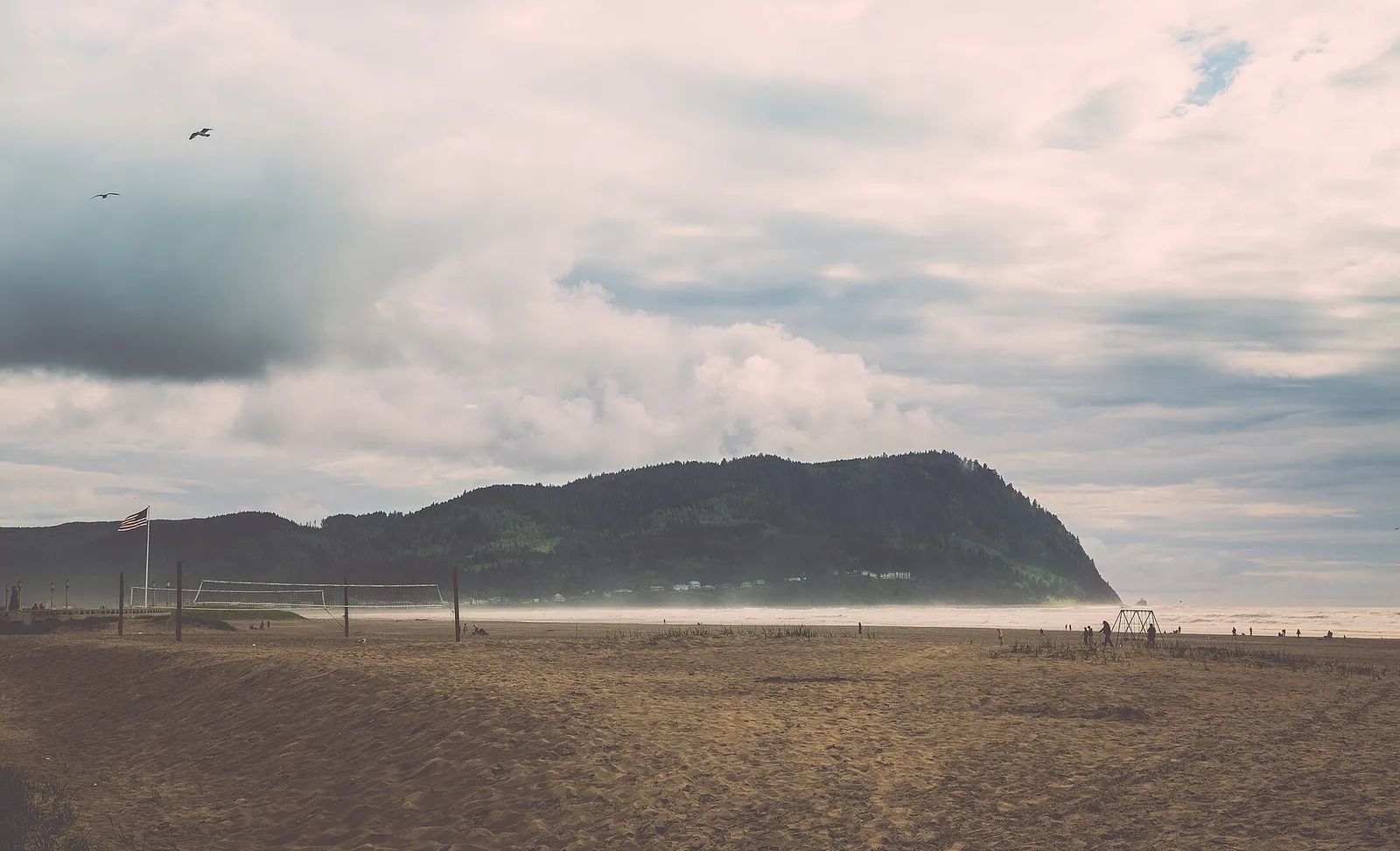
That is why the sea moderates the seasons near coastlines. Places by the ocean tend to have milder, more delayed temperature swings than inland areas, where, without that buffer, summers grow hotter and the peak can arrive sooner. It also explains some striking local quirks: parts of coastal California, cooled for months by a persistent marine layer, do not see their warmest weather until well into autumn.
The same lag, in winter
The effect runs in reverse in the cold season. The Northern Hemisphere receives its least sunlight around the December solstice, but the coldest weather generally holds off until January, as the land and oceans keep shedding stored heat. In the Southern Hemisphere, where the seasons are flipped, the coldest days tend to come in July.
Like an afternoon, writ large
For a familiar version of the same physics, look at a single day. The sun is highest at midday, but the hottest hours usually come in mid-afternoon — after the ground has spent a few more hours banking heat faster than it loses it. Seasonal lag is that everyday pattern stretched across the year: the Earth needs time to soak up the season's warmth, and time again to let it go. So while the solstice may be summer's astronomical high point, the sweatiest days are still, reliably, to come.