Before voguing reached music videos, fashion runways and even an Olympic cultural program, it was something more urgent: a language of survival, invented by people the world preferred not to see.
Born in the margins
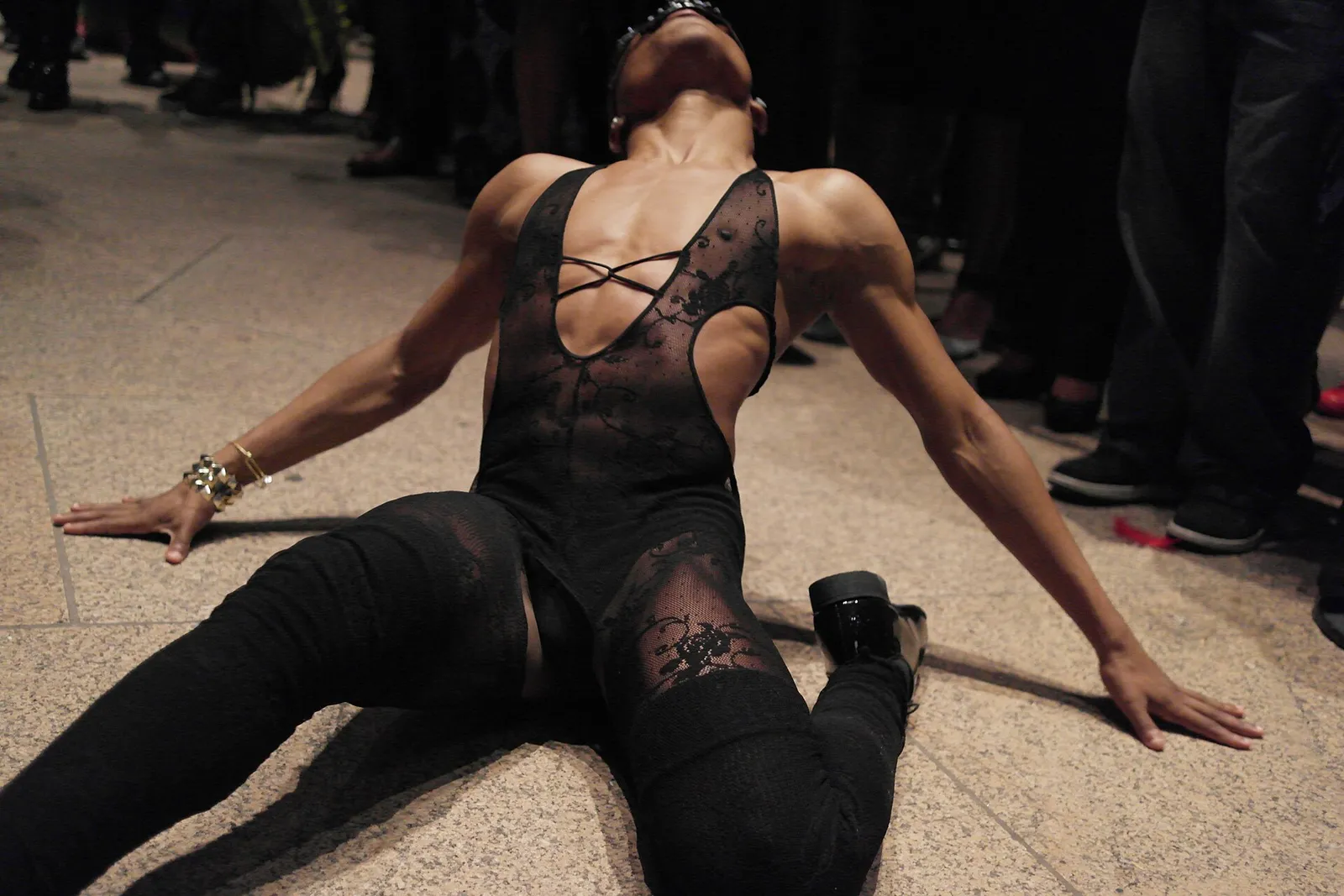
The dance emerged in the late 1960s and 1970s in the ballrooms of Harlem, created by Black and Latino gay, transgender and queer people excluded from much of mainstream life — and often from existing drag spaces shaped by racism. Named for the fashion magazine, voguing drew on the frozen poses of high-fashion photography, adding fluid arm movements, dramatic floor work and unmistakable attitude. Dancers "walked" categories at balls — competing for trophies and, above all, recognition.
The wider world glimpsed the scene through Jennie Livingston's 1990 documentary Paris Is Burning and, that same year, Madonna's hit "Vogue," though the Black and Latino queer originators were not always credited.
Houses as chosen families
At the heart of ballroom culture is the "house" — not a building but a chosen family, as cultural histories describe it. Houses take names, often from fashion labels — LaBeija, Xtravaganza, Revlon — and compete collectively. Each is led by a Mother and a Father, mentors who guide and protect members, many of them young LGBTQ+ people rejected by their birth families. The House of LaBeija, founded by the trans drag queen Crystal LaBeija in the early 1970s in response to racism in drag pageants, is widely regarded as the first modern ballroom house.
Vinii and the House of Revlon
The House of Revlon is among the scene's most storied names. Its international branch is led by Vinii, a Paris-based dancer recognized as a "Father" of the house and, by his community, as the first Europe-based vogueur to earn the honorific "Legend." His house counts members beyond France, including in Brazil, Japan and Britain.
For Vinii, the dance is fundamentally about liberation and freedom — the freedom, as he has put it, to express masculinity and femininity as one pleases, in a space where LGBTQ+ people are celebrated rather than merely tolerated. He has described his role as a house father in warm but firm terms, guiding members while keeping the structure that makes a house a genuine support system. His profile grew further when he was involved in organizing voguing performances connected to the 2024 Paris Olympics' cultural program.
A culture that travels
Ballroom's spread from New York's underground took decades. By the 1990s, houses had reached other US cities; international growth followed. Paris has become one of Europe's busiest ballroom hubs, with the scene seeded in the early 2000s by pioneers who arrived from New York, France 24 has reported. Today active scenes exist across Europe, Latin America and Asia, each blending local identities into a form that has never lost its founding spirit.
That spirit, its practitioners insist, is the point. For all its glamour and competition, voguing remains what it was at the start — a space to be seen, to belong, and, in a world that still makes that hard for many queer and trans people, a quiet form of resistance.