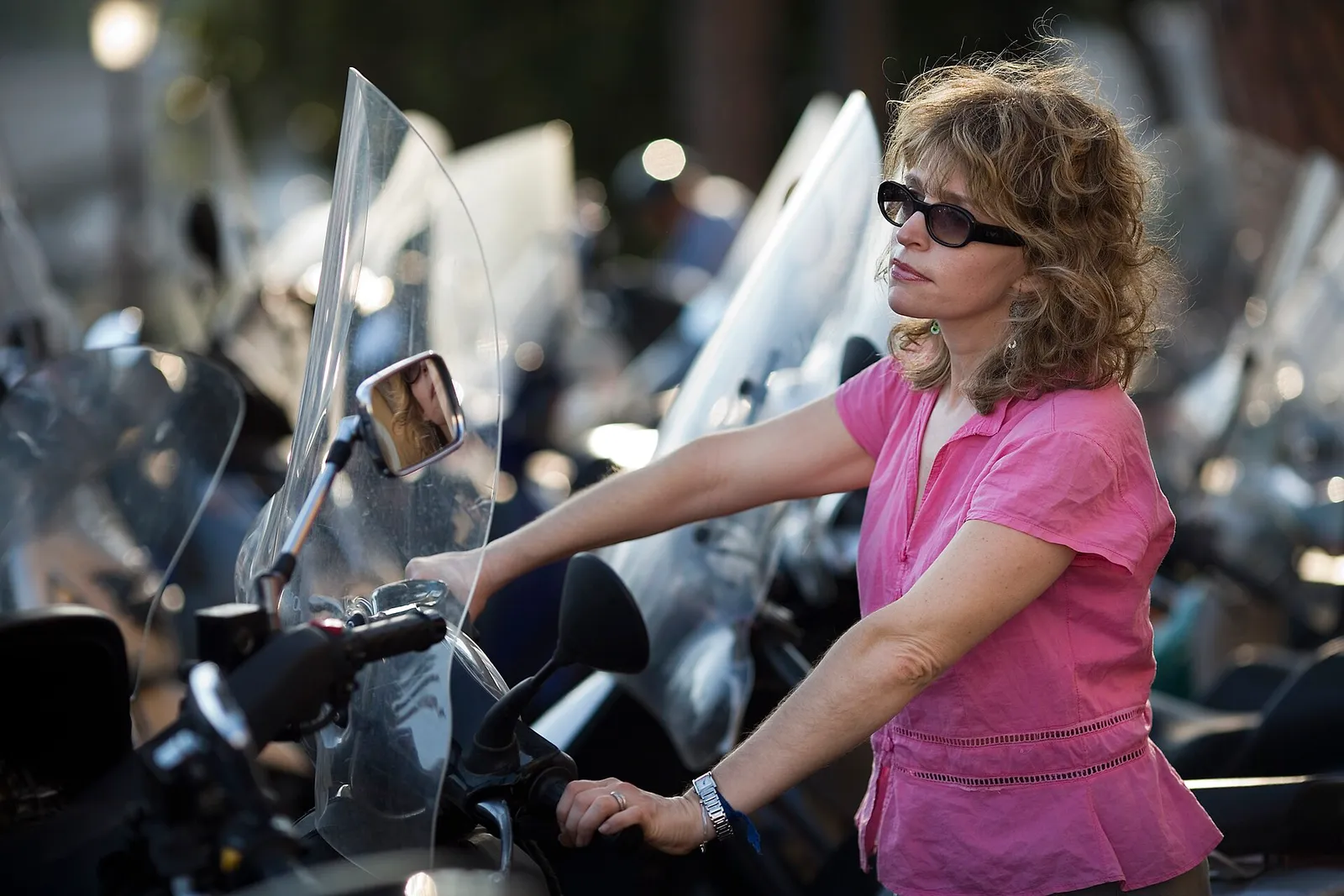
For a few days, Rome belonged to the scooter. Under the banner "Vespa Roma 2026 — 80 years of an icon," the Piaggio Group gathered roughly 25,000 enthusiasts from 67 countries to celebrate eight decades of the Vespa, turning the Eternal City into a rolling museum of Italian design, Euronews reported.
A parade through the ages
The centerpiece was a Saturday-morning procession. Rome's mayor, Roberto Gualtieri, sent the column off from the ancient Baths of Caracalla, and it wound past the Colosseum, around Piazza Venezia and along the Imperial Forums to the cheers of onlookers. More than 160 models were on display, from a rare first-series machine of 1946 through the classics of the 1950s and the much-loved PX of later decades to today's models.
Born from the rubble
The Vespa's story begins in the wreckage of war. Piaggio, a Pontedera firm that had built aircraft, filed a patent in April 1946 for a new kind of two-wheeler, as the company recounts. The design came from the aeronautical engineer Corradino D'Ascanio, who disliked motorcycles and reimagined the machine entirely: a step-through steel body with the mechanics enclosed, no greasy exposed chain, and a spare wheel on the side. Seeing the prototype, Piaggio's chief is said to have remarked that it looked like a wasp — vespa in Italian — and the name stuck.
The timing was no accident. Piaggio's factory had been flattened by wartime bombing, and a country rebuilding from scratch needed cheap, practical transport. The Vespa delivered it at a price ordinary Italians could reach.
From reconstruction to icon
Production climbed fast — from a few thousand scooters in 1946 to a million by 1956 — and the Vespa became both a tool of recovery and an object of aspiration. Hollywood sealed its global fame: the 1953 film Roman Holiday, with Audrey Hepburn and Gregory Peck threading through Rome on a Vespa, tied the scooter forever to ideas of freedom and la dolce vita. Across eight decades, Piaggio says, more than 19 million Vespas have been made and sold around the world.
"A sense of carefree freedom"
The riders who came to Rome made clear the anniversary is about more than a machine. Owning a Vespa, one Italian enthusiast said, is "a lifestyle, a sense of carefree freedom... experiencing everything at a slow pace." Another, who traveled from Chile, said an event of this scale "captures everyone's passion." Eighty years after D'Ascanio sketched his wasp-waisted prototype, people are still riding it through the same Roman streets that made it famous — proof that a modest postwar scooter became something rarer: a shared language of style and joy.