A federal judge has temporarily barred the U.S. Justice Department from collecting the medical records of transgender patients treated as minors at New York hospitals, pausing a criminal investigation while a constitutional challenge is heard.
The ruling
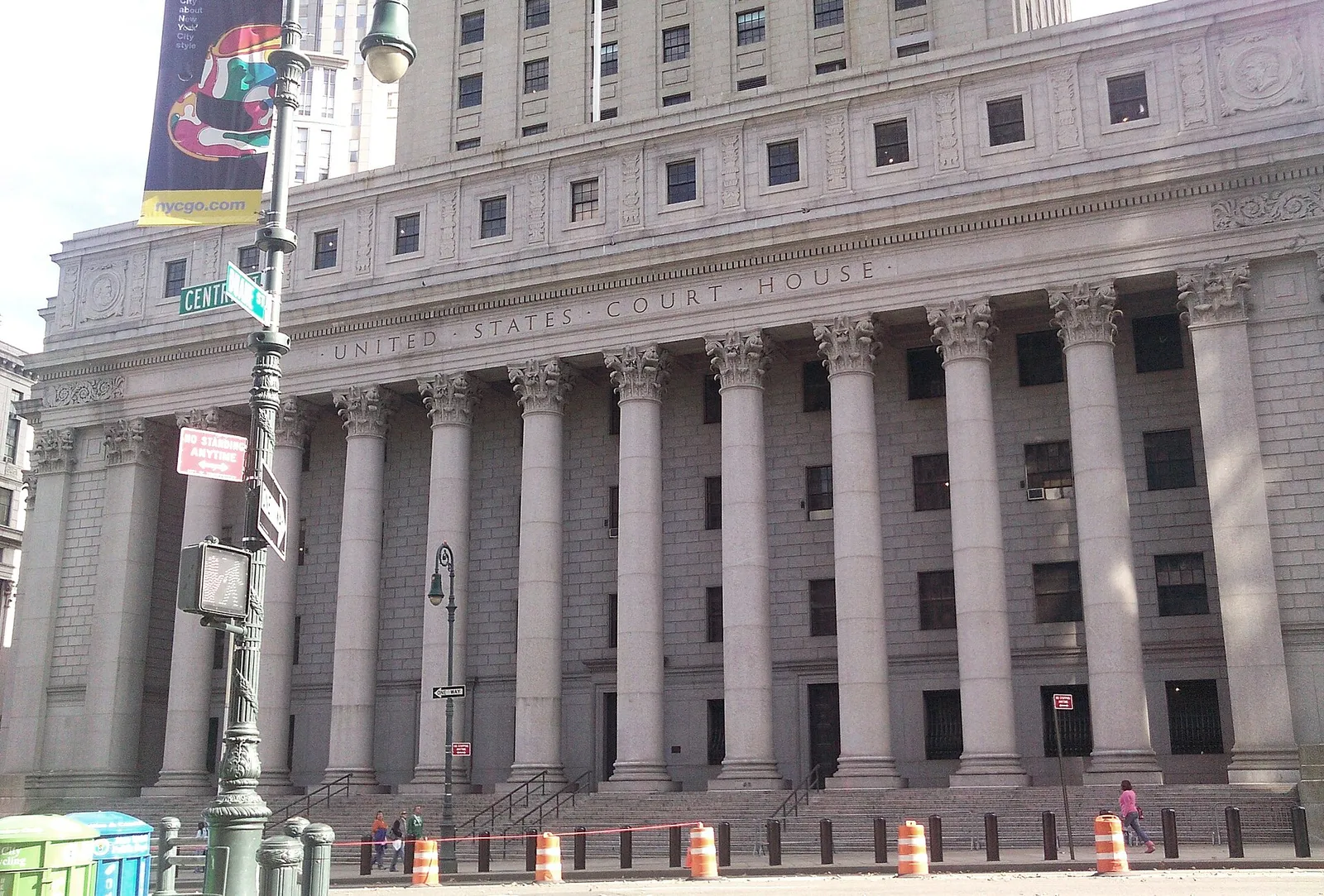
U.S. District Judge Katherine Polk Failla issued a temporary restraining order on June 24, halting the department from seeking or using records related to gender-affirming care for minors, Al Jazeera reported. The order lasts 14 days, with a follow-up hearing set for July 8 to decide whether to extend the block through a preliminary injunction.
In her ruling, the judge was sharply critical of the demands, writing that the administration's approach sought to "identify, to demonise, and ultimately to eradicate an entire population of transgender people," and warning that the subpoenas could violate patient privacy.
What the subpoenas sought
The demands came from a grand jury sitting in the Northern District of Texas and directed New York hospitals to hand over the identities and health information of patients who received care for gender dysphoria as minors, along with details about the clinicians involved, NBC News reported. According to Lambda Legal, which represents the plaintiffs alongside the American Civil Liberties Union, the institutions involved include NYU Langone Health and Mount Sinai.
The administration's rationale
The investigation follows a directive President Donald Trump signed on January 28, 2025, instructing the Justice Department to prioritize action to "end" gender-affirming care for minors. In court, government lawyers have tied the subpoenas to possible violations of federal drug-labeling law, arguing that the prescription of hormones and puberty blockers to minors could in some circumstances amount to fraud. The Justice Department has not commented publicly on the details of the grand jury investigation.
The challenge
The lawsuit was brought by families of transgender children and by transgender young adults, who argue the subpoenas violate constitutional protections against unreasonable searches and infringe medical privacy. Their lawyers contend the fraud rationale is a pretext for a broader effort to curtail the care itself.
Civil-liberties groups note that earlier attempts by the department to obtain similar records through administrative subpoenas were blocked by other federal courts, and they characterize the shift to a grand jury subpoena issued through a Texas court as an effort to work around those rulings.
A contested area of law and policy
Gender-affirming care for minors — which can include puberty blockers, hormone therapy and, in some cases, surgery — is the subject of active legal and political dispute in the United States. Some major medical organizations support access to such care under clinical guidelines, while the Trump administration and a number of state governments have moved to restrict or ban it. Courts around the country remain divided on the underlying constitutional questions, and the New York case is one of several testing the limits of federal authority in the area.