When the heat of high summer settles in across the Northern Hemisphere, it often arrives with an old phrase: the "dog days." The expression sounds like idle slang, but it is rooted in thousands of years of skywatching — and in a misunderstanding about what makes summer hot.
A star named the Scorcher
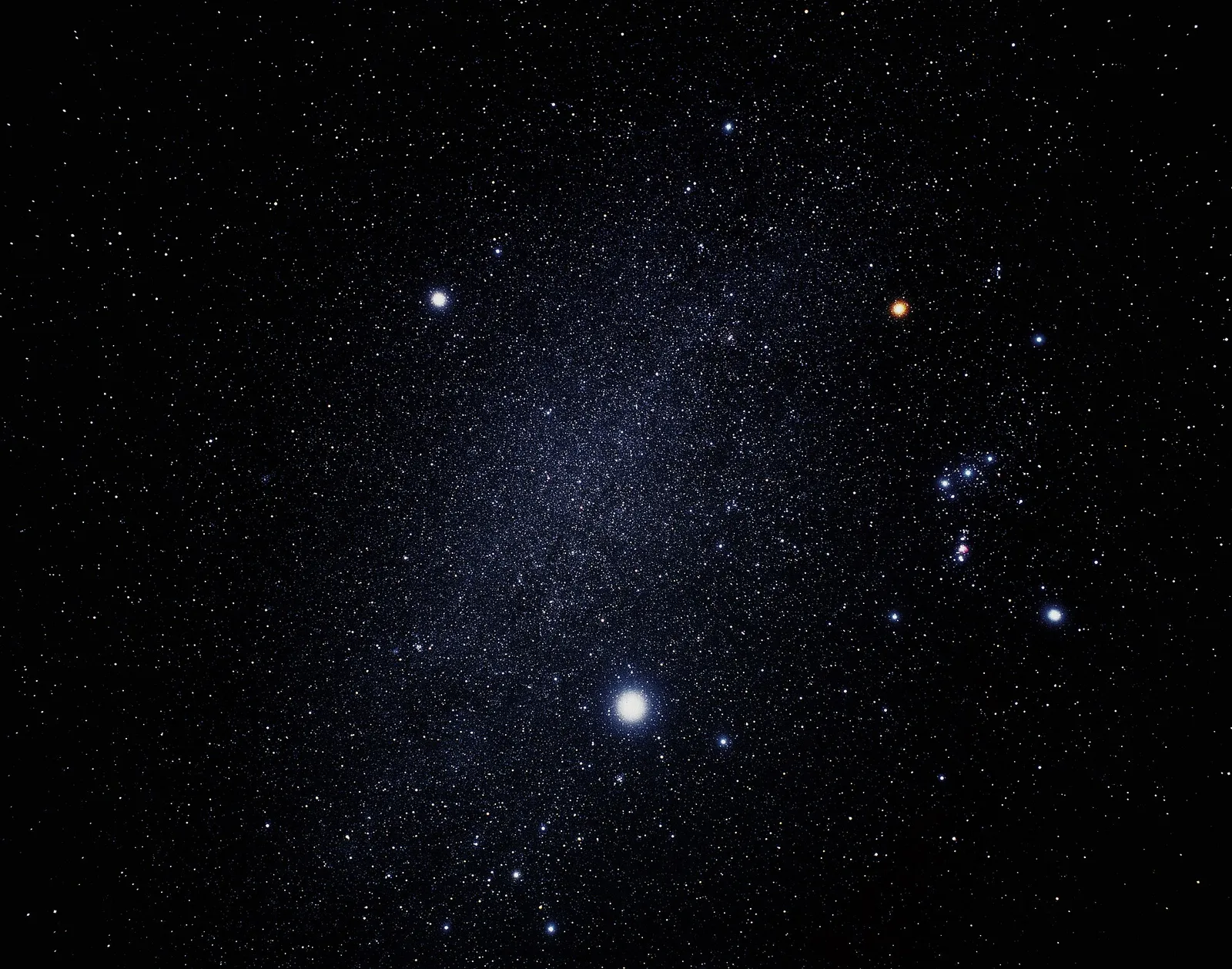
The "dog" in dog days is Sirius, the brightest star in the night sky. According to Britannica, Sirius is nearly twice as bright as Canopus, the next brightest star, and sits in the constellation Canis Major — Latin for "Greater Dog." That membership earned Sirius its enduring nickname: the Dog Star.
The name itself carries the ancient association with heat. As EarthSky notes, "Sirius" derives from the Greek Seirios, often translated as "scorching" or "glowing." To the Greeks and Romans, the star's brilliance seemed connected to the sweltering weather that arrived when it returned to the sky.
Why the ancients blamed the Dog Star
In antiquity, Sirius disappeared behind the Sun's glare for part of the year, then reappeared just before dawn — an event astronomers call a heliacal rising. In ancient Greece and Rome, this first predawn sighting fell near the year's peak heat.
The coincidence bred superstition. The History channel recounts that the Romans called this stretch the dies caniculares, the "days of the dog star," and the poet Virgil linked Sirius to drought and disease. The English phrase "dog days" emerged later, by the 1500s, as a translation of that Latin idea.
What the dates actually mean
The most familiar modern dates come from The Old Farmer's Almanac, which fixes the dog days at roughly July 3 to August 11 — a 40-day span following the summer solstice. But the Almanac is candid that this calendar reference has "lost the direct link to the star that inspired the phrase."
There is also no single correct date, because the heliacal rising of Sirius depends on latitude; today, observers in much of the Northern Hemisphere may not catch it until late August or even September.
How precession scrambled the calendar
The deeper reason the dates no longer match the star is precession of the equinoxes — a slow wobble of Earth's rotational axis that completes a cycle roughly every 26,000 years. This wobble gradually shifts when stars rise relative to our calendar. In ancient times, Sirius's heliacal rising fell in early-to-mid July, close to the solstice; today it has drifted into August. Looking far ahead, the star will eventually rise in midwinter, severing any link between the Dog Star and summer entirely.
The real reason summer peaks late
Here is the crucial point the ancients got wrong: Sirius does not cause the heat. The star is about 8.6 light-years away, and its light adds nothing measurable to Earth's temperature. The correlation was always coincidence.
The genuine explanation is seasonal lag, driven by thermal inertia. As described in summaries of the phenomenon, the hottest weeks arrive several weeks after the June solstice — not on it — because Earth's oceans and land absorb and release heat slowly. Water's high heat capacity means the planet keeps warming as long as each day brings in more energy than each night sheds, typically pushing peak average temperatures to late July or early August, even as daylight hours shrink.
So the dog days endure, but the science has moved on. The phrase is a fossil of ancient astronomy and folklore; the heat itself is the work of a slow, sun-warmed planet taking its time to catch up.