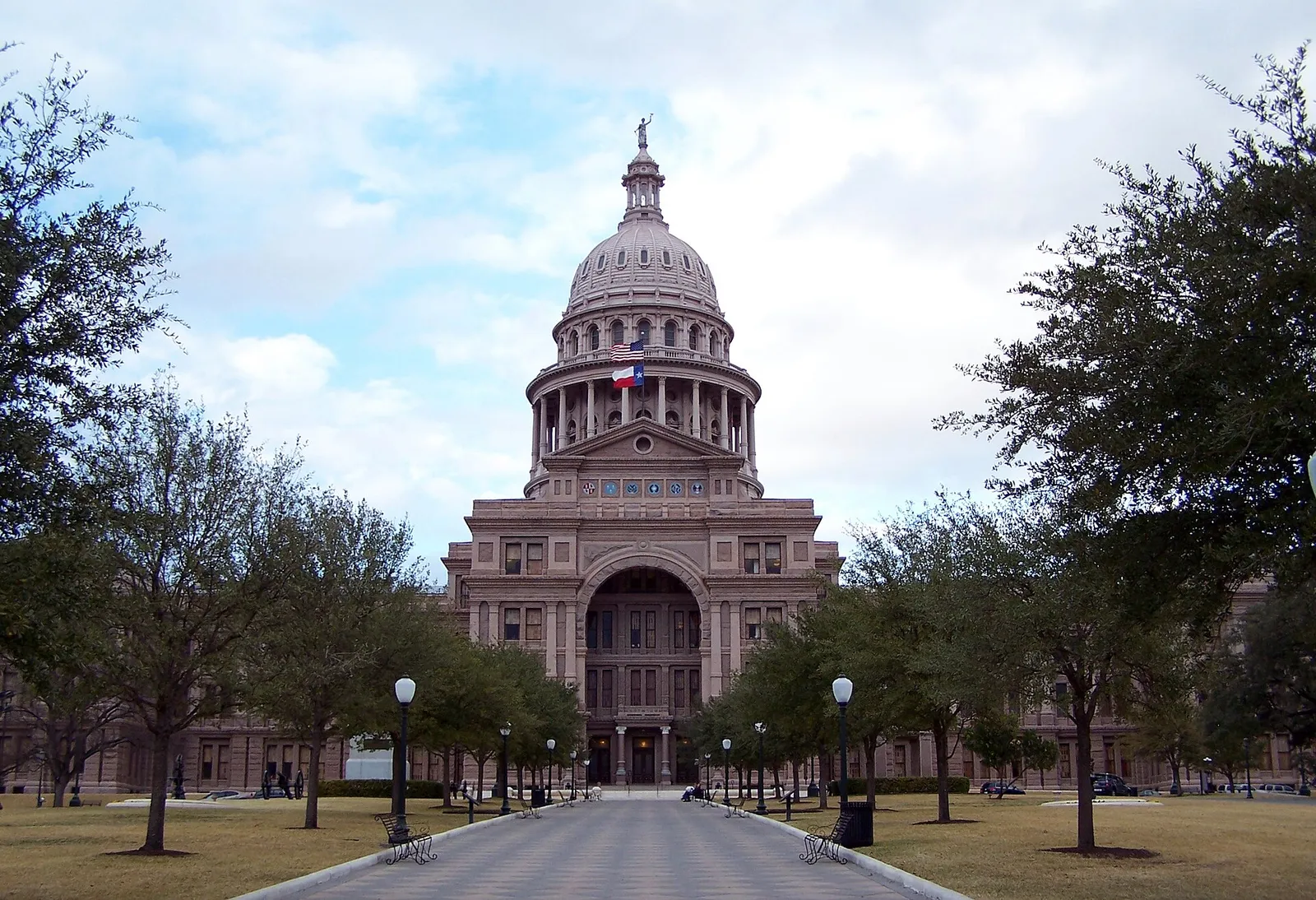
The Texas State Board of Education has approved a required reading list for the state's public schools that includes stories drawn from the Bible, as several US outlets reported. The vote adds a mandatory element to a broader effort in the state to give religious texts a place in public education — and is likely to deepen a continuing legal fight over the First Amendment.
What the reading list requires
Under the approved list, elementary pupils will read picture-book versions of biblical episodes such as "David and Goliath" and "Daniel in the Lion's Den." Middle-school students will read passages from the Sermon on the Mount in the New Testament, and high-school students will study material including the story of Adam and Eve and the parable of the prodigal son. The list applies across kindergarten through 12th grade, covering more than five million students.
The reading list flows from House Bill 1605, a 2023 state law directing Texas to develop its own textbooks and curriculum materials. State officials and supporters argue that biblical texts are foundational to literature, history and Western civic traditions, and that students cannot fully understand many cultural and historical references without exposure to them.
A related, optional curriculum
The required list sits alongside an optional state-developed program, known as Bluebonnet Learning, that weaves Bible stories and scripture into elementary reading lessons. Districts are not obliged to use Bluebonnet, but those that do receive a financial incentive of $60 per student, the Texas Tribune has reported. Roughly a quarter of Texas districts had signed up as of last year. The rollout has not been smooth: the state acknowledged it would have to spend up to $8.4 million to correct more than 4,200 errors found in the Bluebonnet materials.
The Ten Commandments law and the courts
The reading measures run parallel to a separate, mandatory law. Senate Bill 10, signed by Governor Greg Abbott in 2025, requires a poster of the Ten Commandments to be displayed in every public-school classroom. That law has been challenged in federal court, and in April 2026 the US Court of Appeals for the Fifth Circuit upheld it in a narrow 9-8 decision, reversing a lower court that had blocked it. The ruling is widely expected to be appealed to the US Supreme Court.
Both sides of the argument
Supporters, who hold the majority in Texas's government, frame the policies as restoring a heritage they say has been pushed out of public life, and as teaching texts of genuine historical and literary weight.
Opponents — including families of Christian, Jewish, Muslim, Hindu and no religious affiliation, together with civil-liberties groups such as the American Civil Liberties Union — argue the measures cross from teaching about religion into promoting it, in violation of the First Amendment's Establishment Clause, which bars the government from establishing a religion. One concern they raise is that schoolchildren, unlike adults, are a captive audience who cannot easily opt out of a classroom display or a required reading. Critics also say the materials favor Christianity over other faiths.
Legal observers note that the landscape shifted after the Supreme Court's 2022 decision in Kennedy v. Bremerton School District, which set aside an earlier test that courts had long used to police church-state separation in schools — a change that has emboldened lawmakers in several Republican-led states to pass similar measures. Whether Texas's approach ultimately stands is now likely to be decided by the nation's highest court.