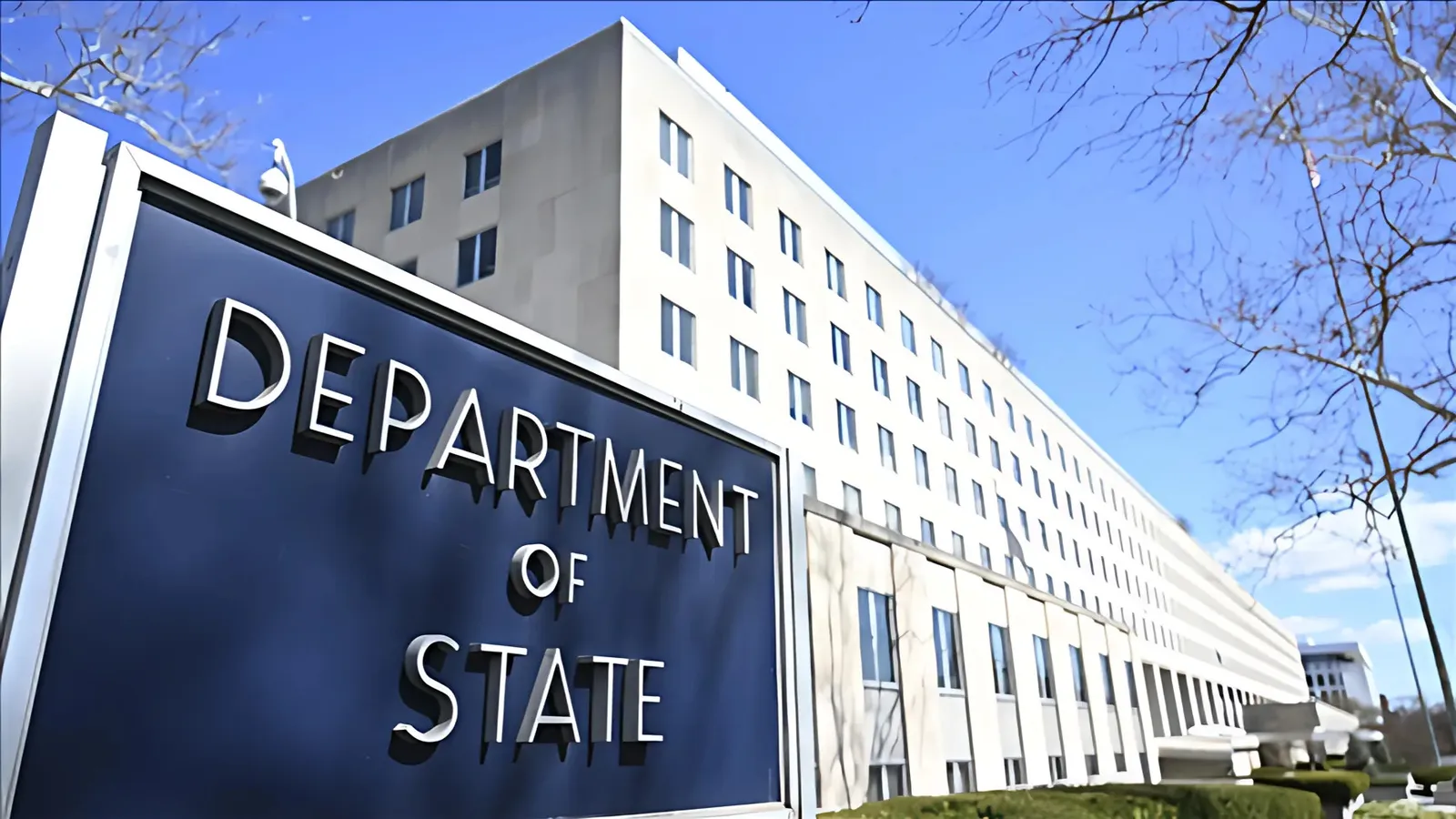
US Secretary of State Marco Rubio said Washington is seeking a deal with Iran "but not at any price," signaling firm limits on a final agreement even as both sides try to turn a ceasefire into something lasting.
Rubio sets conditions
Speaking during a tour of Gulf states, Rubio said the United States would not agree to anything that "undermines the security of our allies," and ruled out any arrangement allowing Iran to charge tolls on ships passing through the Strait of Hormuz — warning such a precedent could spread "chaos" to other waterways, the Times of Israel reported. The trip was partly aimed at reassuring Gulf governments, some of which have privately voiced unease about the emerging framework.
A memorandum and a 60-day clock
Rubio's remarks came about a week after US President Donald Trump and Iranian President Masoud Pezeshkian signed a preliminary memorandum on June 17 that set a ceasefire and opened a 60-day window for comprehensive talks, expected to be held in Switzerland, PBS NewsHour reported. Officials and analysts describe the document as a framework, not a binding final accord.
Inspections and enrichment in dispute
The sharpest disagreement so far concerns nuclear verification. Trump said Iran had agreed to allow UN inspectors access to its nuclear sites; Iran's deputy foreign minister countered that inspections would happen only "within the framework of a final agreement." The head of the International Atomic Energy Agency, Rafael Grossi, has said inspections are inevitable under the memorandum, with timing still to be settled.
On enrichment, Washington's envoy has pressed Iran to halt uranium enrichment, and Trump has said any deal would cap it at levels that could not be used militarily. Iran's atomic-energy chief has said Tehran will not accept limits on its enrichment program. Analysts at the Council on Foreign Relations note the US is seeking a long moratorium while Iran has signaled it would accept only a shorter pause, if any.
Sanctions, assets and Hormuz
Economic terms are also unresolved. Iran is seeking access to billions of dollars in frozen assets, with the exact amounts and timing disputed; US officials, including Vice-President JD Vance, have tied relief to demonstrated compliance. Tehran, for its part, has signaled it intends to retain influence over the Strait of Hormuz — a stance that clashes directly with Rubio's rejection of any Iranian toll regime. Iran's ballistic-missile program, a priority for Washington and its allies, is reported to be largely absent from the memorandum.
Allies watching closely
Some Gulf states have been wary of the framework, with unnamed officials quoted by CNN describing it in stark terms. Rubio acknowledged the talks cover "hundreds of specific areas" and would not conclude quickly. With the 60-day clock running and key issues — inspections, enrichment, Hormuz and sanctions — still open, the gap between Washington's and Tehran's public positions underscores how much remains to be settled.