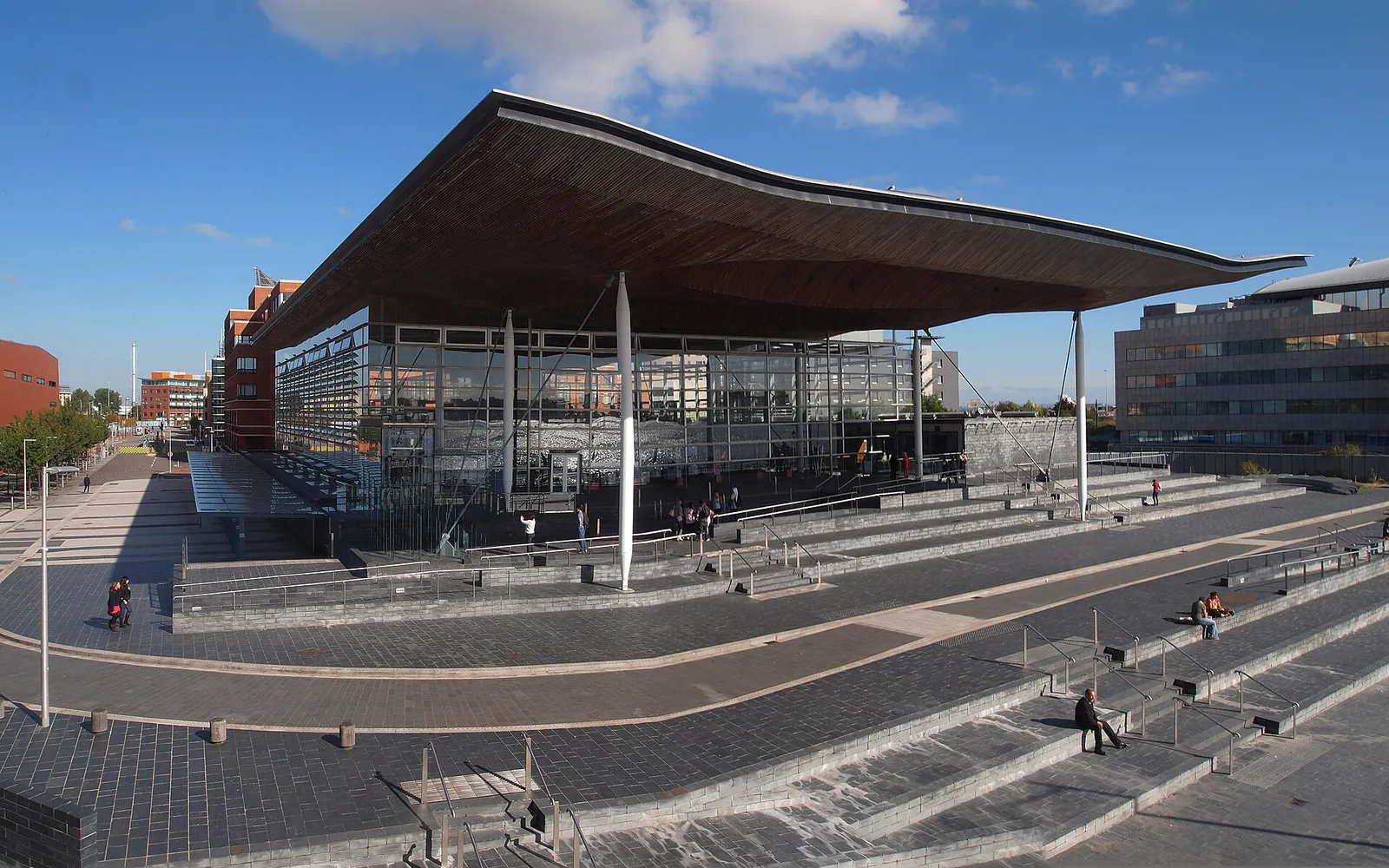
A new political map has taken shape in Wales. In the Senedd election of May 7, 2026, voters chose the first parliament under a sweeping set of reforms — a chamber enlarged from 60 to 96 members, elected by proportional representation across 16 constituencies — and the result reordered Welsh politics.
A historic realignment
Plaid Cymru emerged as the largest party for the first time, and its leader, Rhun ap Iorwerth, was confirmed as First Minister at the head of a minority government. Reform UK, which had never held a Senedd seat, finished second and took the role of official opposition. Welsh Labour — which had led every Welsh government since devolution began in 1999 — suffered a historic collapse, losing its status as the largest party for the first time in a century of dominance. The Welsh Conservatives were reduced to a handful of seats, and the Wales Green Party won representation in the Senedd for the first time.
A combative debut
Reform's arrival has quickly tested the chamber's conventions. During a debate on Welsh Government international spending, several members walked out in protest at comments by a Reform member, and the Llywydd (presiding officer), Huw Irranca-Davies, reminded members of the requirement for mutual respect, Herald Wales reported. The motion, which called for ending such spending, was defeated, and the Senedd instead backed an amended resolution describing Wales as an "internationalist, tolerant and outward-looking nation," the outlet reported. The following day, the Llywydd opened proceedings by urging members to mind their language and tone.
Clashing over devolution
Reform UK Wales is led by Dan Thomas, appointed to the role in early 2026. At First Minister's Questions, Thomas argued that voters had not been demanding further devolution of areas such as rail, justice or the Crown Estate, calling such ambitions a "distraction" from the NHS, education and transport, Nation.Cymru reported. Ap Iorwerth pushed back, saying he was "rather surprised" that a party meant to make devolution work for Wales appeared to be "effectively against devolution." Other parties used the session to draw their own contrasts: Plaid Cymru members pressed the government on countering misinformation about asylum seekers and migrants, an implicit rebuke of Reform's rhetoric, while the Welsh Conservatives framed their reduced presence as "solid foundations" for rebuilding.
What it means
Reform UK's leap from no seats to official opposition in Cardiff Bay mirrors gains the party has made at Westminster and in English local government, and marks a significant moment in Britain's devolved politics. Its assertive early conduct suggests it intends to operate confrontationally — a style that, as the presiding officer has already signaled, will be measured against the Senedd's established standards. For a parliament reshaped by both a new voting system and a new balance of power, the coming term will test how its institutions absorb a very different kind of opposition.