The race to succeed Keir Starmer as Labour leader and British prime minister is only beginning, but it is already being shaped by one dominant figure — and by questions over who would run the economy if he wins.
A frontrunner before the contest opens
Andy Burnham, the Mayor of Greater Manchester, returned to the House of Commons on June 18 after winning a by-election in Makerfield, a seat vacated to give him a route back to Westminster. He took almost 25,000 votes and a majority of more than 9,200, NPR reported, exceeding polls that had projected a narrow win.
Days later, Starmer announced his resignation on June 22 amid sustained discontent over Labour's poor showing in May's local elections and a series of government departures. Burnham is, for now, the only declared candidate to succeed him, according to CBS News.
The question over the Treasury
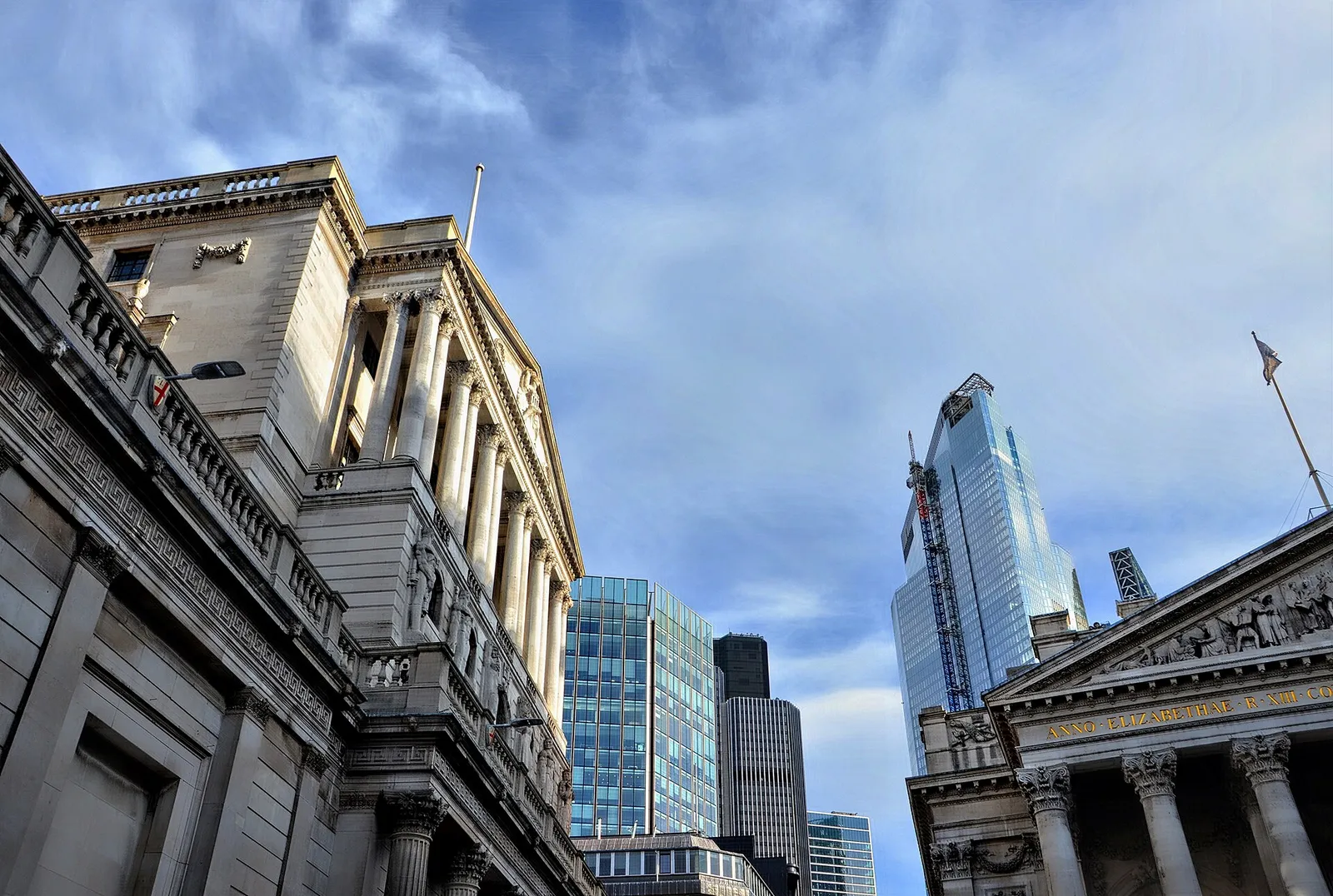
Attention has quickly turned to whether Rachel Reeves would keep her post. Reporting in the British press has suggested she is likely to be moved from the Treasury if Burnham enters Downing Street. City A.M. reported that names being floated as a potential replacement include Energy Secretary Ed Miliband and Home Secretary Yvette Cooper, who has a Treasury background.
Burnham's allies have urged caution, stressing that no positions have been offered and no deals struck while the contest is still forming. The speculation remains exactly that — speculation about appointments a prime minister Burnham has not yet become would be free to make.
A potential tension on economic policy
The interest in the chancellorship reflects a genuine policy question. Burnham has signaled he would keep the fiscal rules Reeves established, the framework of borrowing limits she has used to anchor Labour's economic credibility. Yet he has also argued in the past that the party was too cautious, leaving open how far a Burnham government would diverge in practice.
Reeves became the first woman to serve as chancellor when she was appointed in July 2024, and during the recent turmoil she publicly backed Starmer and called for unity. She has not commented on her prospects under a possible Burnham premiership.
What happens next
Burnham's path is unusually clear of rivals, but it ran through an unusual obstacle: Labour rules require leadership candidates to be sitting MPs, and until this month he had spent nine years as a regional mayor, outside parliament. His return via the Makerfield by-election cleared that bar. If no other candidate gathers enough nominations from Labour MPs, he could be confirmed without a full membership ballot; if a contest is triggered, members would vote over the summer. For now, Labour is in the rare position of choosing a new leader — and possibly a new chancellor — midway through a parliamentary term.