Democracies organize executive power in strikingly different ways. The biggest dividing line is between parliamentary and presidential systems, with a hybrid semi-presidential model bridging the two. The differences are not cosmetic: they determine how leaders are chosen, how long they serve, and how easily they can be removed.
How a parliamentary system works
In a parliamentary system, the head of government — usually called the prime minister — comes from and is accountable to the legislature. According to OpenStax's Introduction to Political Science, the prime minister emerges through legislative selection, with the majority party or coalition choosing the executive leader. Voters typically elect members of the legislature, not the prime minister directly.
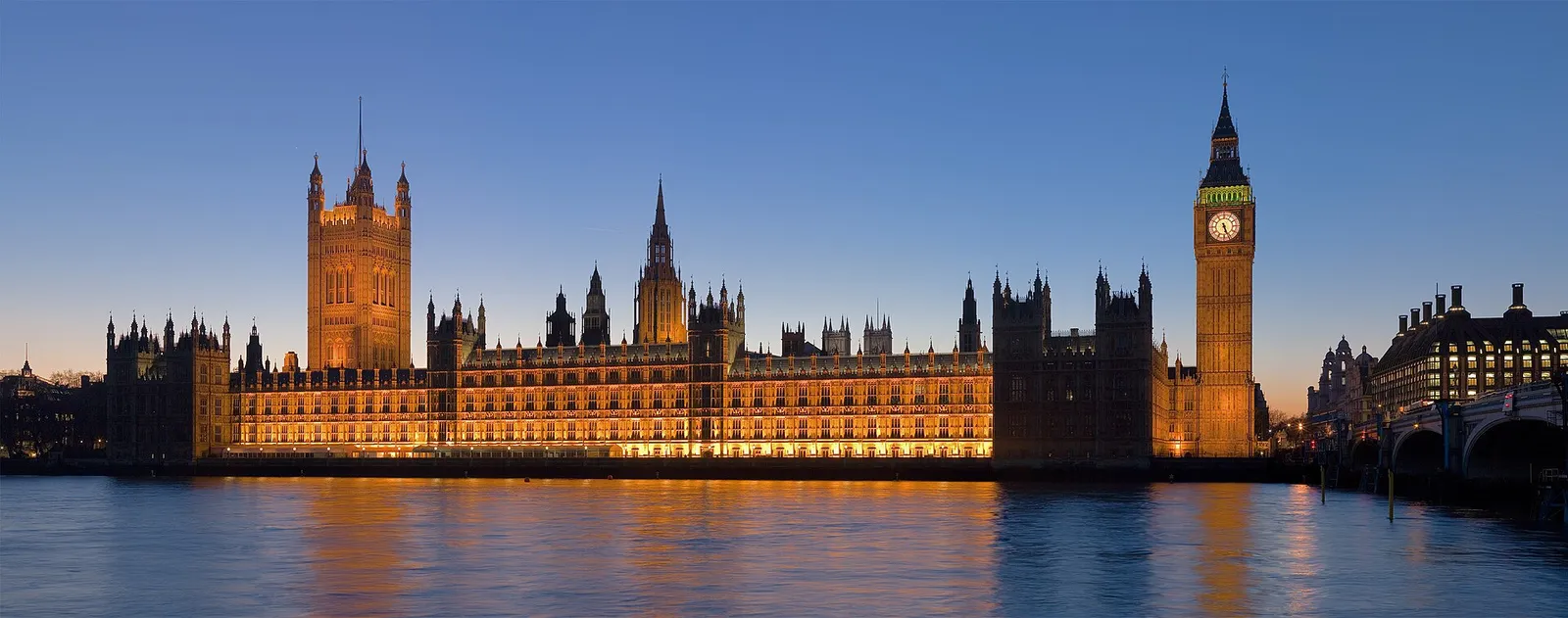
The United Kingdom, Germany, India, Japan and Canada are all parliamentary democracies. In most of them, the head of state and the head of government are separate people: the head of state may be a monarch, as in the UK, Japan and Canada, or a largely ceremonial president, as in Germany and India.
A defining feature is the vote of no confidence. As Britannica explains, the confidence vote is a procedure legislators use to remove a government, and it does not apply to the removal of heads of state in presidential systems. If a government loses such a vote, the prime minister and cabinet typically resign or a snap election is called. This is also why a governing party can change its leader — and therefore the prime minister — without a general election: as the UK's House of Commons Library notes, the monarch by convention appoints the leader of the majority party, and a party may change its leader under its own rules.
How a presidential system works
In a presidential system, voters elect the president separately from the legislature. The president serves a fixed term and is both head of state and head of government, with what OpenStax calls "a much stronger separation of powers" between the legislative and executive branches.
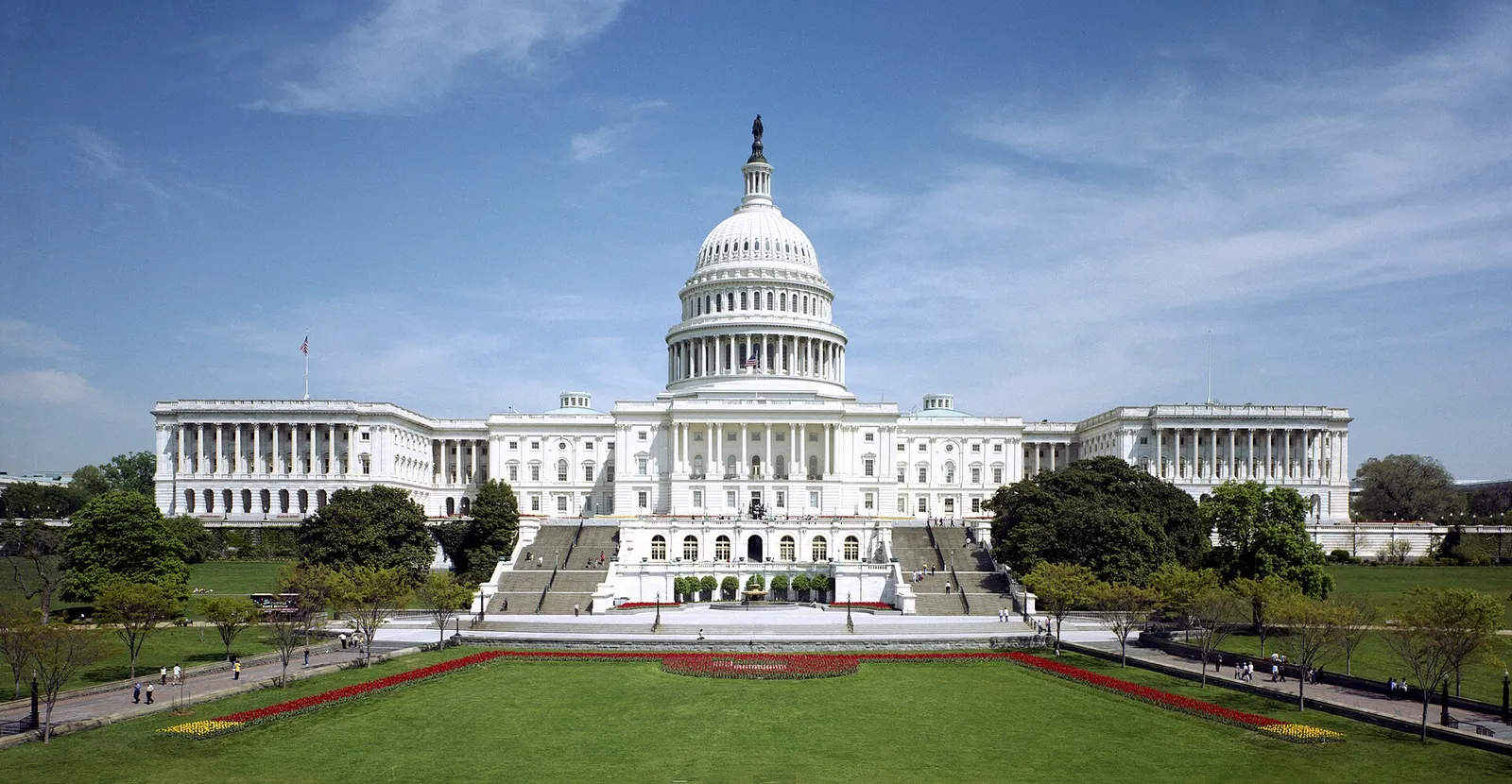
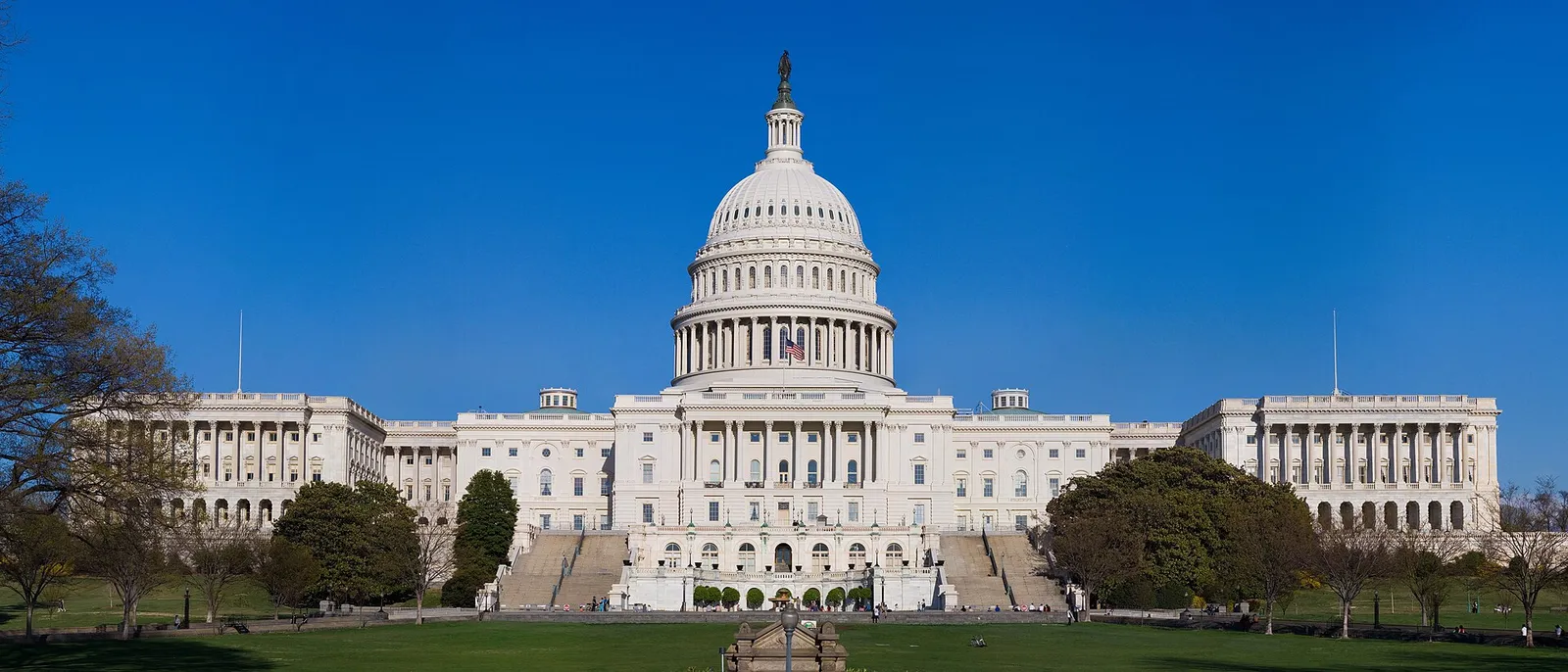
The United States, Brazil, Mexico and Indonesia are presidential democracies. Crucially, the legislature generally cannot dismiss a president simply for losing political support, the way a parliament can topple a prime minister, though most constitutions provide narrow impeachment procedures for serious misconduct.
The semi-presidential blend
Some democracies combine both designs. France is the leading example of a semi-presidential system: a directly elected president coexists with a prime minister and cabinet that are responsible to the legislature, which can force the cabinet out through a motion of no confidence. The president appoints the prime minister but must choose someone acceptable to the parliamentary majority.
When the president and the parliamentary majority come from opposing camps, France experiences what is known as "cohabitation," a term that originated there in the 1980s. During such periods the president has tended to focus on foreign affairs and defense while the prime minister leads domestic policy.
The trade-offs scholars debate
Political scientists have long argued over the merits of each model, and the debate remains unsettled. In an influential 1990 essay, "The Perils of Presidentialism," the scholar Juan Linz observed that the vast majority of stable democracies were parliamentary, with the United States a notable exception. Linz argued that fixed presidential terms create rigidity — a system cannot easily recalibrate during a crisis — and that competing claims to legitimacy between an elected president and an elected legislature can produce gridlock, or "divided government."
Linz's thesis is contested. Critics counter that he exaggerated the dangers of deadlock and dual legitimacy and relied on an idealized picture of parliamentary government. Supporters of presidential and fixed-term designs argue they offer stability and predictability, insulating leaders from short-term swings in legislative mood. Defenders of parliamentary systems emphasize flexibility: a failing government can be replaced quickly without waiting for a fixed term to expire.
These remain competing characterizations, not settled facts. Each arrangement reflects different priorities — parliamentary systems prize the ability to change course rapidly, presidential systems prize separation of powers and fixed mandates, and semi-presidential systems attempt to balance the two. Understanding which model a country uses is the first step to understanding why its politics unfold the way they do.