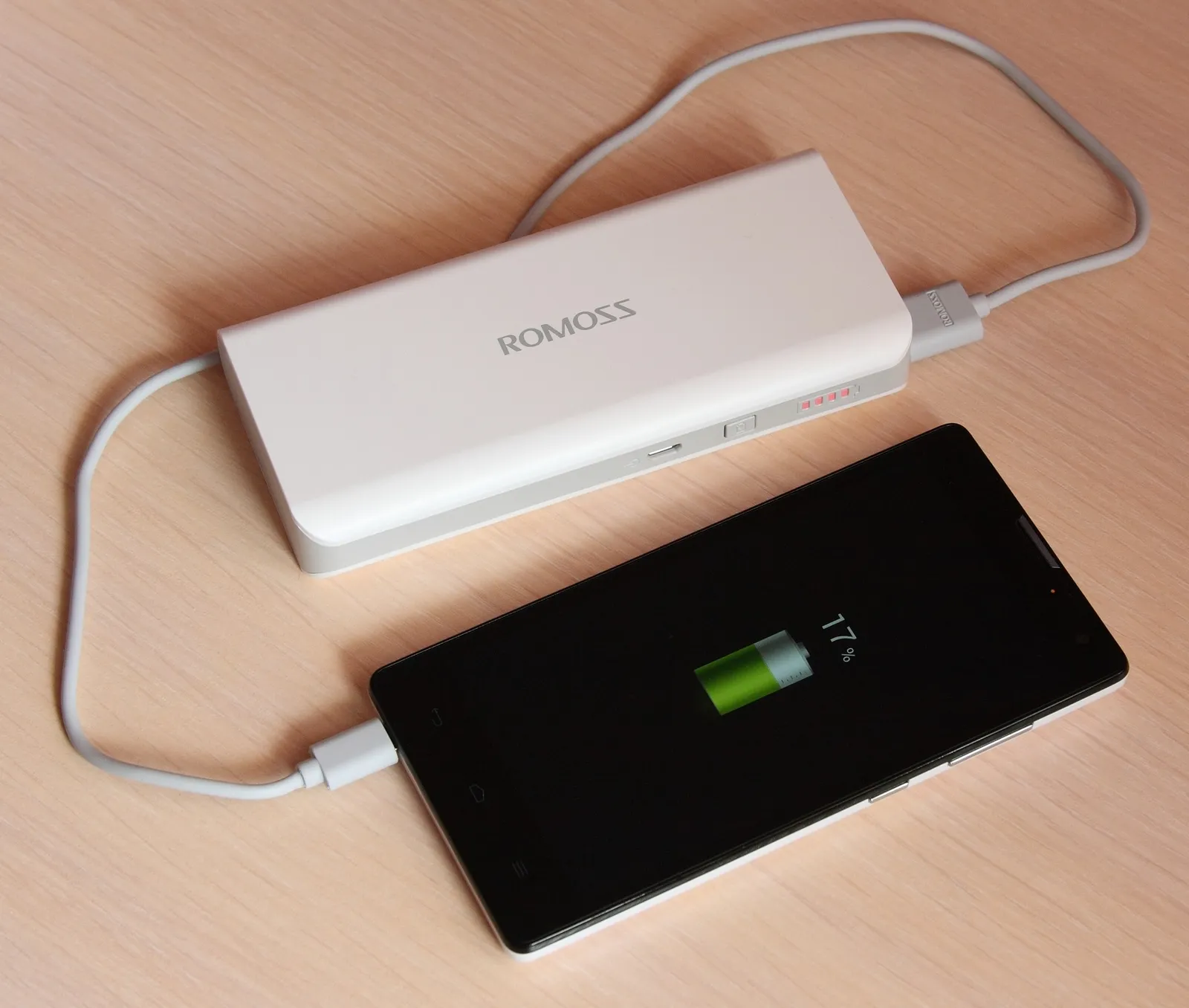
The most likely thing to catch fire on your next flight is not the plane — it is the gadget in your bag. Portable chargers and vapes have become the leading cause of battery fires on passenger aircraft, and while such events are rare, they are climbing fast enough that regulators worldwide are rewriting the rules.
A rising count
The US Federal Aviation Administration verified 89 lithium-battery incidents aboard passenger planes in 2024 — where a battery caught fire, smoked or overheated — up about 16% on the year before, and 93 in 2025, roughly ten times the rate of a decade ago. The agency notes it counts only incidents it can verify, so the true figure is likely higher. Power banks and vapes lead the list: in 2025, battery packs accounted for 31 of the tracked incidents and vaping devices for 22, ahead of phones, according to UL Standards & Engagement. Relative to how few people carry them, vapes are especially overrepresented.
Why they burn
Lithium-ion cells pack a lot of energy into a small space. If they are damaged, overcharged, faulty or counterfeit, they can go into "thermal runaway" — a self-feeding reaction in which one cell overheats, releasing flammable, toxic gas and igniting its neighbors within seconds. The danger is worse out of sight: a device smoldering in an overhead bin can burn unnoticed, whereas one in a seat pocket is spotted quickly and tackled with the extinguishers and fire-containment bags crews now carry.
What changed the rules
A January 2025 fire aboard an Air Busan jet on the ground in South Korea — traced to a power bank in an overhead bin — destroyed the aircraft, though everyone got out. It helped prompt South Korea to bar power banks and vapes from overhead bins and ban in-flight charging via seat USB ports, with several Asian carriers following. The UN's aviation body, ICAO, brought in new rules from March 2026 limiting passengers to two power banks in the cabin on international flights, banning in-flight charging, and prohibiting power banks in checked luggage, Airline Ratings reported. Longstanding limits still apply by capacity: under 100 watt-hours is fine as carry-on, 100–160Wh needs airline approval, and above that is banned.
What travelers should do
- Keep power banks and vapes in carry-on, never checked baggage — crews can't reach a fire in the hold.
- Don't use or charge them in flight where airlines have adopted the new limits, and don't leave a charging device unattended.
- Stow them within reach — a seat pocket or under the seat — rather than in the overhead bin.
- Check the watt-hour rating printed on the device; high-capacity units may need approval.
Some perspective: 93 verified incidents came against hundreds of millions of journeys, a tiny fraction of flights. The reason regulators care is that altitude leaves little margin — so the rules aim to ensure that if a battery does fail, it fails somewhere a crew can see and handle it.