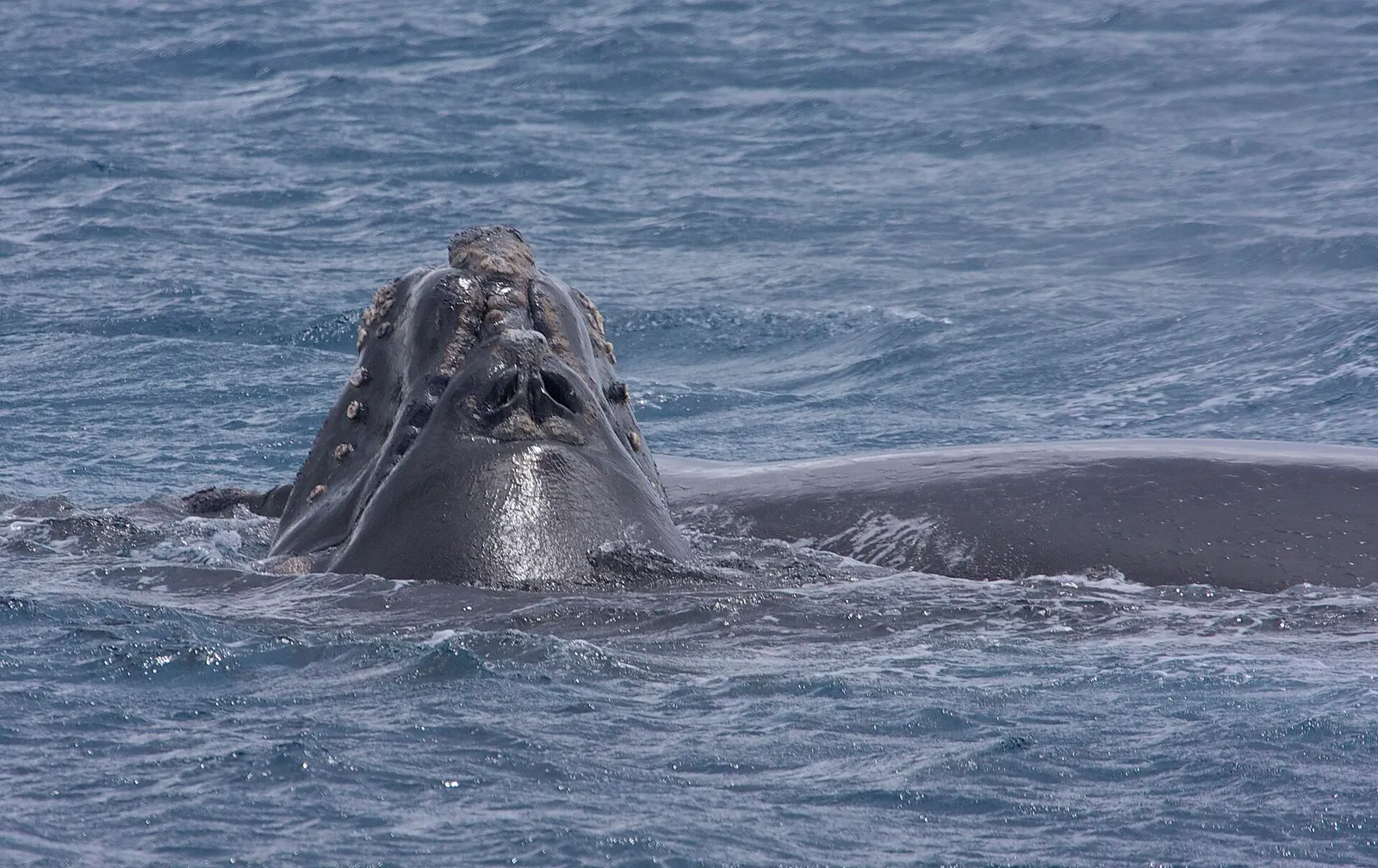
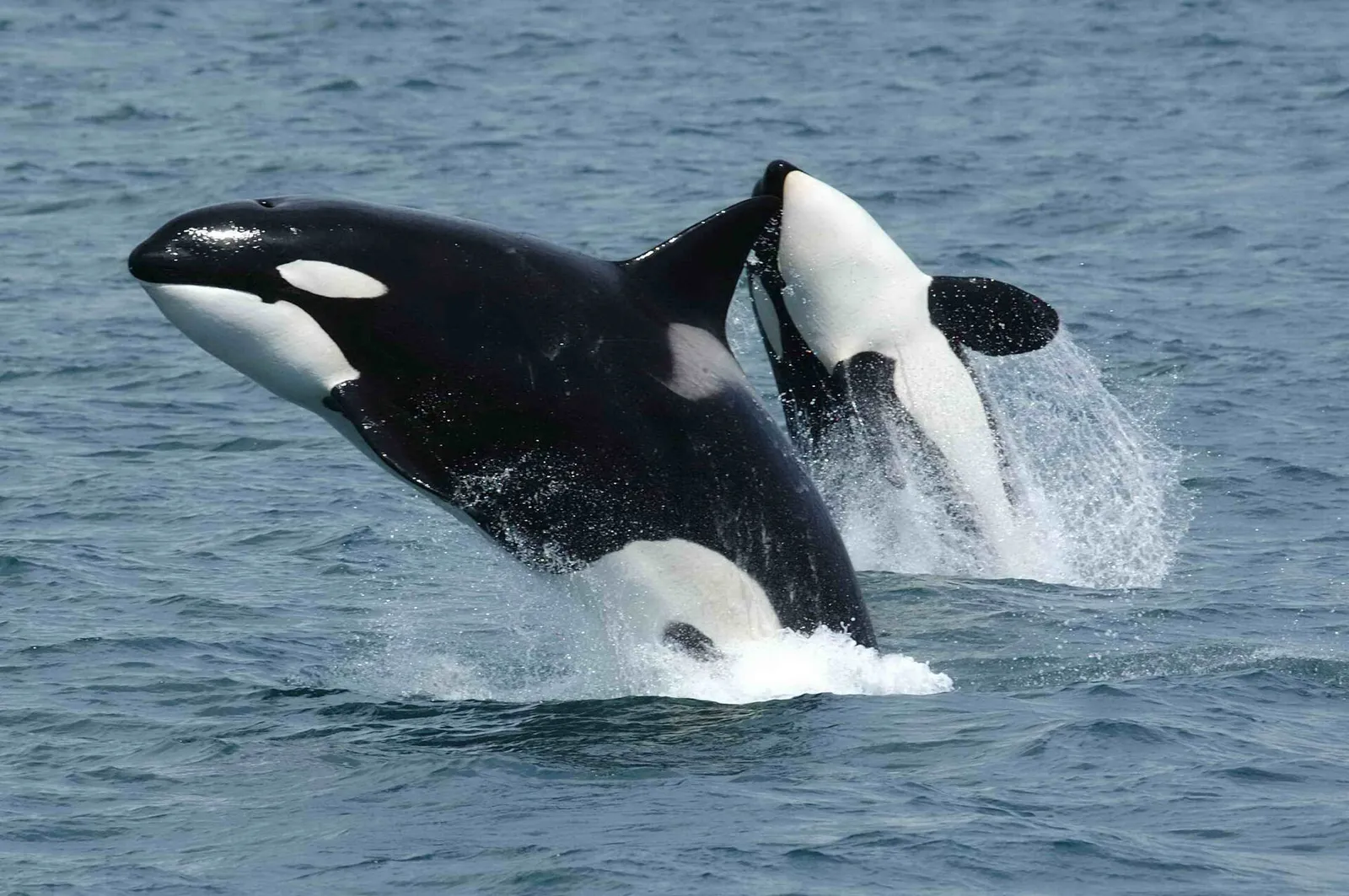
Orcas in the Gulf of California have been filmed doing something strange and violent to their food: ramming large sunfish with their heads hard enough to smash the carcasses apart, Scientific American reports. Why they do it is not settled.
What was observed
The behavior is specific and, at least to human eyes, startling.
According to Scientific American, researchers documented an adult male orca performing what they call "high-impact ramming," striking a dead sharptail sunfish with its head and obliterating it. Notably, the fish's internal organs had been removed before the ramming. The observations came from two incidents over roughly 13 months, the first in July 2024 and a second about a year later; the marine biologist Kathryn Ayres captured the first on video while diving, and the second involved three female orcas and a calf. The work was published in the journal Frontiers in Ethology, by Ayres, the researcher Erick Higuera and colleagues from the group Orcas México.
Why might they do it?
This is where the honesty of the science shows, because the researchers offer possibilities rather than a definitive answer.
Scientific American reports several interpretations under consideration. One is food processing: smashing a large, awkward prey animal makes it easier to eat, and juvenile orcas were seen consuming the exploded fragments. A related idea is nutritional access: sunfish have a gelatinous layer containing water and nutrients that may be worth getting at. And a third is teaching or play: orcas are known to play with their prey, and the ramming may serve to pass hunting techniques to younger animals, or may simply be something they do because they can.
Those explanations are not mutually exclusive, and the researchers do not claim to have settled which is correct. As Higuera put it, orcas' "hunting strategies are not rigid" and may be "actively modified" depending on the prey.
Why it is worth reporting
A handful of sightings of whales hitting fish might sound niche, but it touches something larger about these animals.
Orcas are among the most intelligent and socially complex animals in the ocean, and much of what makes them remarkable is precisely this kind of flexible, learned, possibly cultural behavior, techniques that vary between populations and are passed down rather than hardwired. Documenting a specific, unusual feeding behavior in one Gulf of California population adds a piece to that picture, and the fact that the scientists are willing to say they don't yet know whether it is work or play is a fair reflection of how much remains to be understood about how these animals think. It is a small window, filmed underwater, onto a mind we are still learning to read.