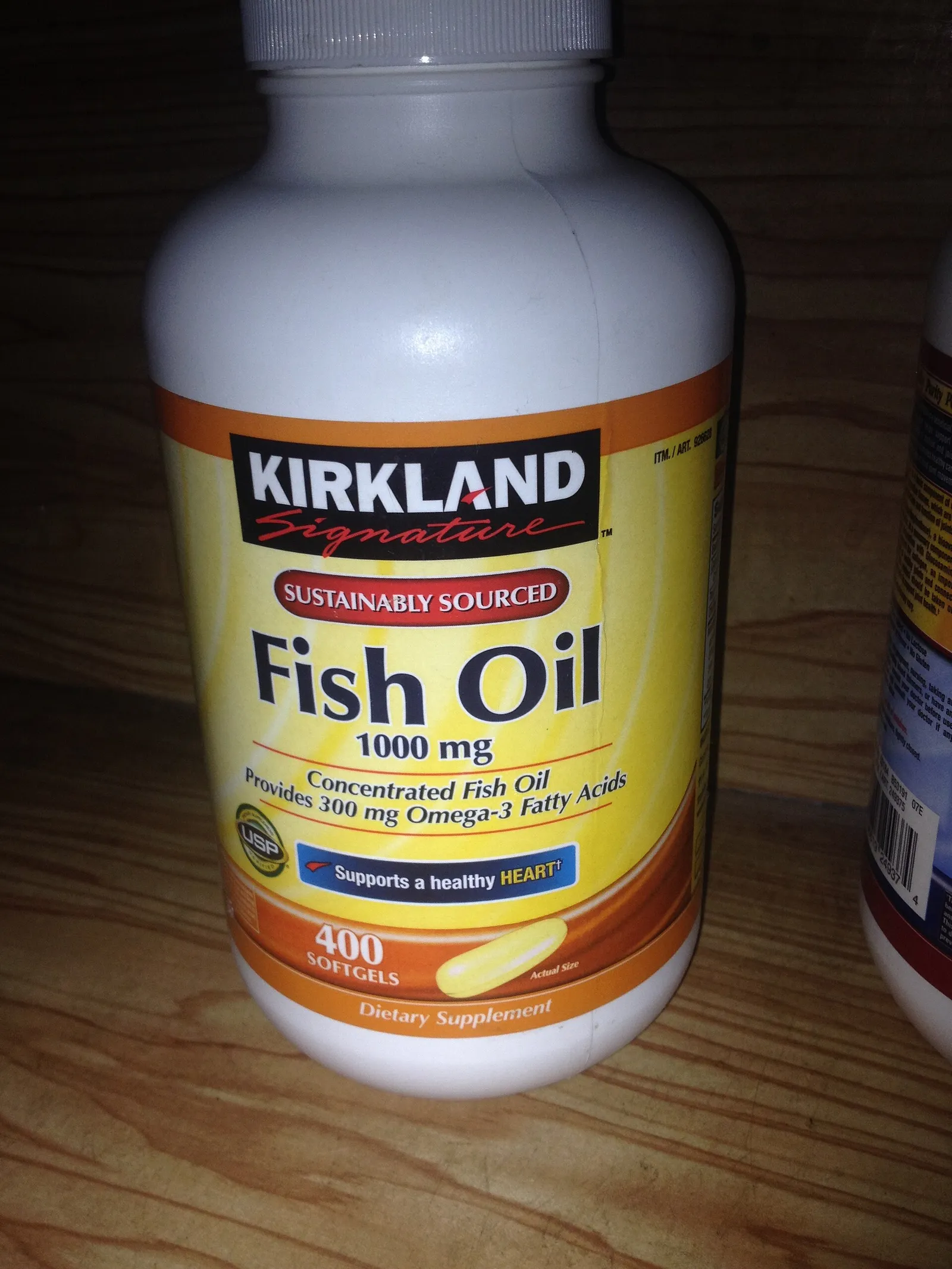
A new clinical trial has delivered a deflating verdict on one of the world's most popular supplements: high-dose omega-3 fish oil did nothing to slow cognitive decline or brain aging in older adults, according to research reported by ScienceDaily.
What the study did
Researchers at Keck Medicine of the University of Southern California ran a two-year, placebo-controlled trial in 365 adults aged 55 to 80. Participants took either 2,000 milligrams a day of DHA — a key omega-3 fatty acid — or a dummy pill. The design deliberately targeted the people who might gain the most: all were people who rarely ate fish, and nearly half carried APOE4, a gene variant that raises the risk of Alzheimer's disease.
What it found
The supplement did reach the brain — levels of DHA in the fluid around the brain and spinal cord rose by around 17% in those taking it. But that did not translate into any benefit. After two years, there was no meaningful difference between the groups on memory and thinking tests, and brain scans showed no slowing of the shrinkage of the hippocampus, a region central to memory and an early casualty of Alzheimer's. The work was published in the journal eBioMedicine.
Why it matters
Fish oil is a multibillion-dollar business, and many people take it specifically to guard against dementia. That hope has roots in real science: studies have repeatedly linked eating oily fish to better brain health in later life. The catch is that the benefits of eating fish have never reliably carried over to supplements, and this trial — among the more rigorous tests yet — reinforces that gap.
The caveats
A single study does not close the book. The trial looked specifically at DHA in people with low fish intake, and excluded those who already had cognitive impairment, so it cannot say whether supplements might help other groups or those with early memory problems. Researchers have suggested that omega-3s may do more good as part of a wider, Mediterranean-style diet than as an isolated pill. Fish oil is also studied separately for heart health, a different question with its own evolving evidence.
The practical takeaway is modest and familiar: most health advice still favors eating oily fish a couple of times a week as part of a balanced diet, while the case for fish oil capsules as a brain-protector remains unproven. Anyone weighing whether to start or stop a supplement — especially those on other medicines — should talk to their doctor. None of this is medical advice.