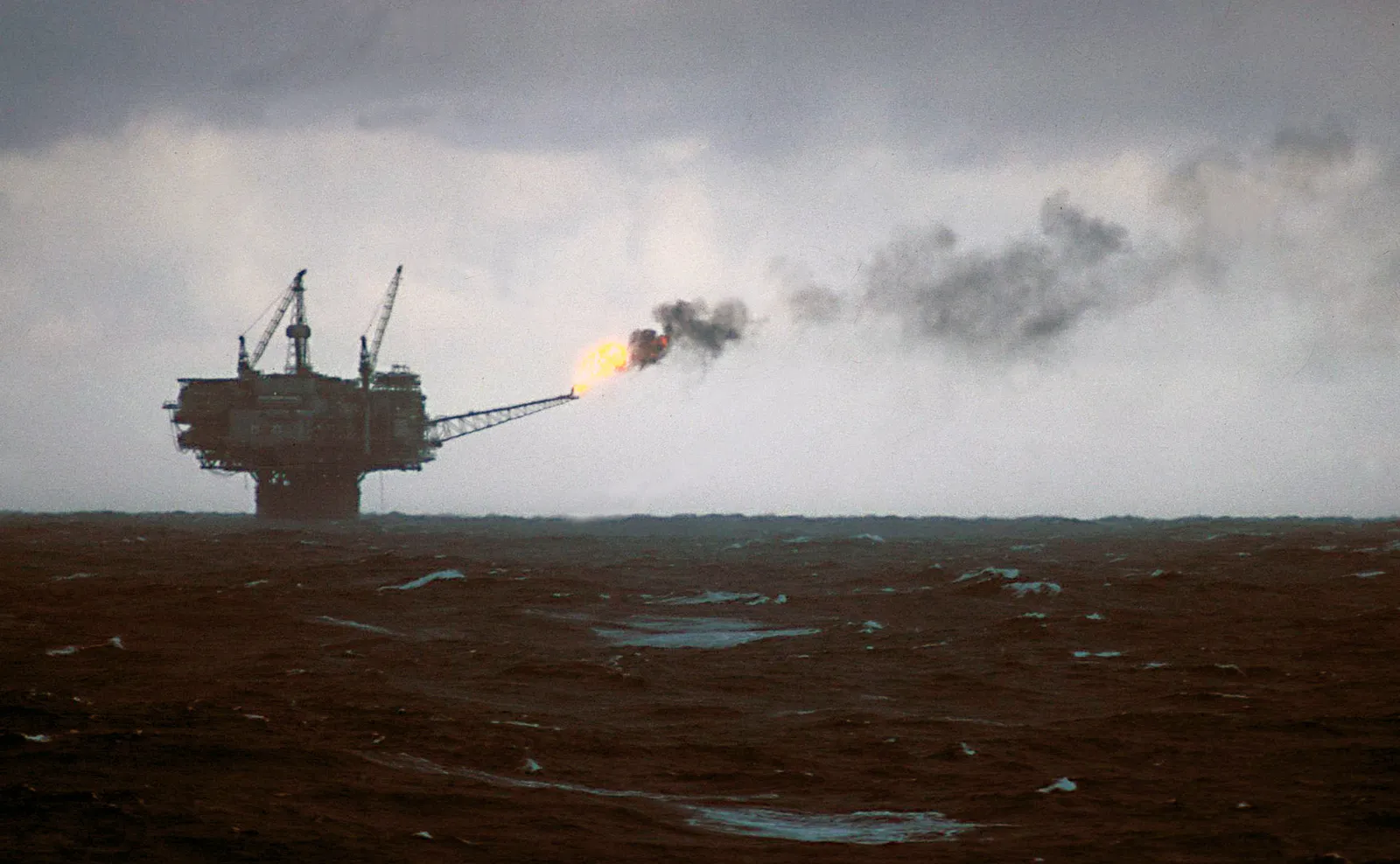
Norway intends to continue developing oil and gas in the Barents Sea, in the Arctic, despite European environmental objections, Al Jazeera reports. Terje Aasland, the energy minister, said "continued activity in the Barents Sea serves both Norwegian and European interests".
He also put the choice back to Brussels: "We would develop these areas, and then it will be up to the EU whether they should have a moratorium on buying that gas or oil."
That second sentence is the whole argument
It separates two things that are usually discussed together: whether the resource is extracted, and whether Europe buys it.
The EU currently supports a ban on new Arctic drilling on environmental grounds, and is reviewing that position because of energy security. Aasland's point is that a European moratorium constrains European purchasing, not Norwegian production. Anders Opedal, the chief executive of Equinor, made the same argument commercially, suggesting Arctic resources could be sold elsewhere if Europe declines them.
Whether that is a fair characterization depends on a fact neither man supplies: how much of this gas has any realistic buyer other than Europe. Pipeline gas is not freely redirectable, and liquefaction and shipping change the economics substantially. Without that, the claim that the oil and gas will be produced regardless is an assertion rather than a demonstration.
Why Europe is in this position
Since Russia's invasion of Ukraine in 2022, Norway has become the continent's principal supplier, providing roughly 30 percent of the gas used by the EU and the UK. Conflict in the Middle East has tightened global energy markets further, a strain visible this week in Central Asia's fuel shortages and in the threats around Gulf exports.
A bloc that has committed to reducing fossil fuel use, and has simultaneously made itself dependent on one neighbour for gas, has limited leverage over how that neighbour produces it. That is the position the review of the Arctic ban is responding to.
The objection
Environmental groups oppose Arctic drilling. The source does not name them or set out their case, so we will not paraphrase an argument we have not read.
The general objections to Arctic operations are a matter of record: spill response is far harder in ice and darkness, ecosystems recover slowly, and new fields commit capital to production for decades. Whether those apply to these specific fields is not something this account establishes.
The French company Total has announced plans to expand its Norwegian operations.
What we could not establish
We could not establish which fields or licence areas are involved, the volumes or timelines, when the EU review concludes, or what the Norwegian opposition and environmental groups have said. We verified this account from a single publication.