A common hormonal condition that affects roughly one in ten women is too often missed — and a persistently irregular cycle is one of the clearest signs that it should be checked for.
The guidance
The NHS is urging that women and others who menstruate with persistently irregular or infrequent periods be assessed for polycystic ovary syndrome, or PCOS, the Guardian reported. The aim is to identify a condition that is widespread but often diagnosed only after years of symptoms, leaving women without answers or care.
What PCOS is
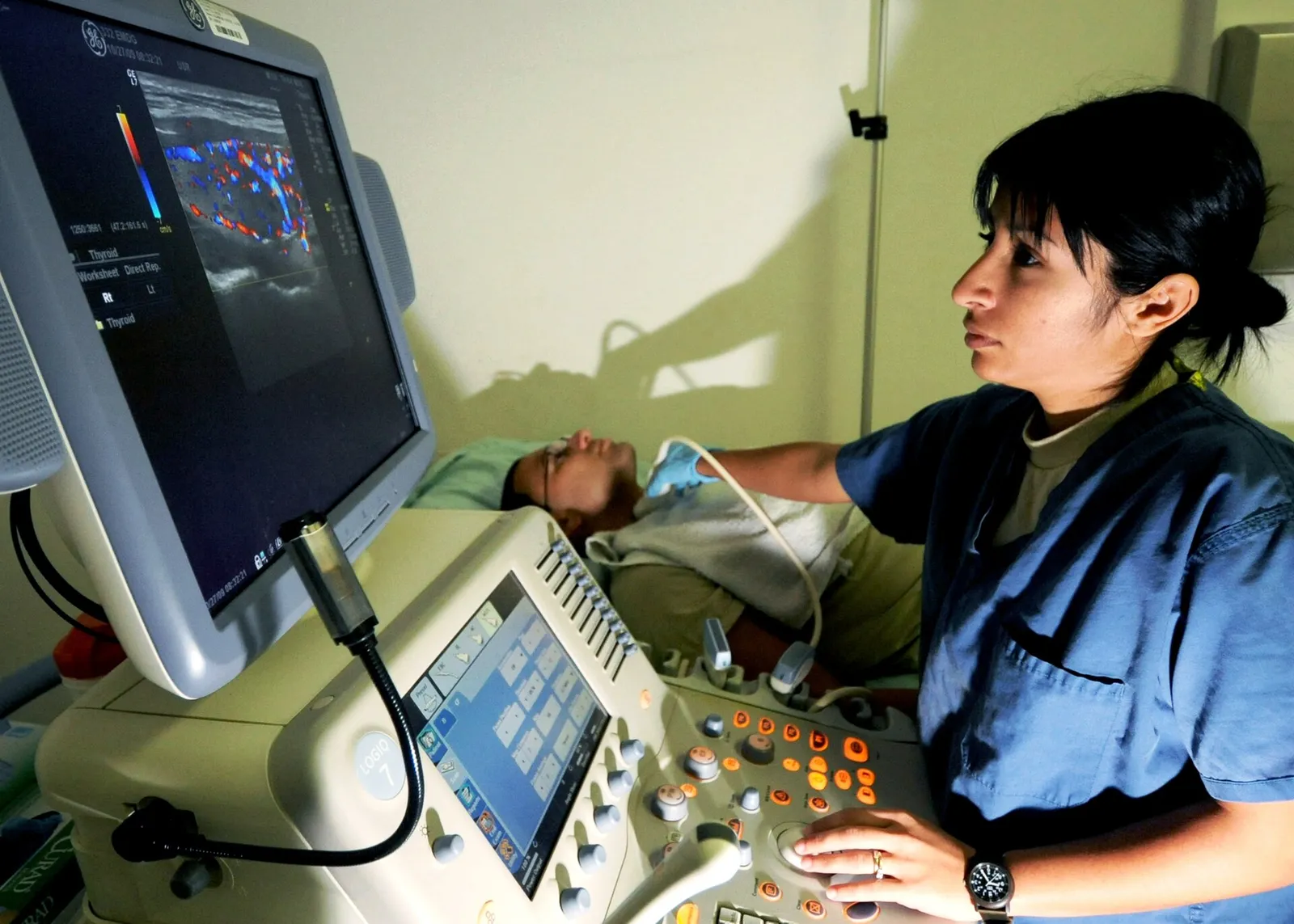
Polycystic ovary syndrome is a common condition that affects how the ovaries work and is linked to an imbalance of hormones, according to the NHS. It has three main features: irregular or infrequent periods; signs of higher-than-usual levels of male-type hormones, such as acne or excess facial and body hair; and, in some cases, ovaries that contain many small fluid-filled sacs, visible on an ultrasound scan. It is one of the leading causes of difficulty getting pregnant, and the NHS estimates it affects about one in ten women in the UK.
An important caveat
Irregular periods on their own are not necessarily a cause for alarm. In the first years after periods begin, cycles are commonly irregular and usually settle over time, and the occasional missed or late period is normal at any age. It is persistent irregularity — not a one-off — that doctors say is worth investigating, ideally alongside any other symptoms.
Why earlier diagnosis matters
Catching PCOS sooner can help in several ways: managing troubling symptoms, planning for pregnancy, and keeping an eye on longer-term health risks linked to the condition, which include type 2 diabetes and cardiovascular disease. Because the condition is thought to be under-diagnosed, advocates have long argued that more women should be assessed when the warning signs appear.
What to do
There is no cure for PCOS, but it is manageable. Diagnosis generally involves a clinical assessment against recognized criteria, and treatment is tailored to the individual — often combining lifestyle measures with medication aimed at specific symptoms. Anyone concerned about persistently irregular periods or other possible signs is advised to speak to a doctor. The UK charity Verity offers information and support for those living with the condition. This article is general information, not a substitute for professional medical advice.