Lam Wing-kee, the Hong Kong bookseller whose detention in mainland China made him an emblem of the shrinking space for dissent in the city, has died at the age of 70. He passed away in Taipei, where he had rebuilt his life in exile, after suffering from lung cancer, Hong Kong Free Press reported.
The bookshop and the disappearances
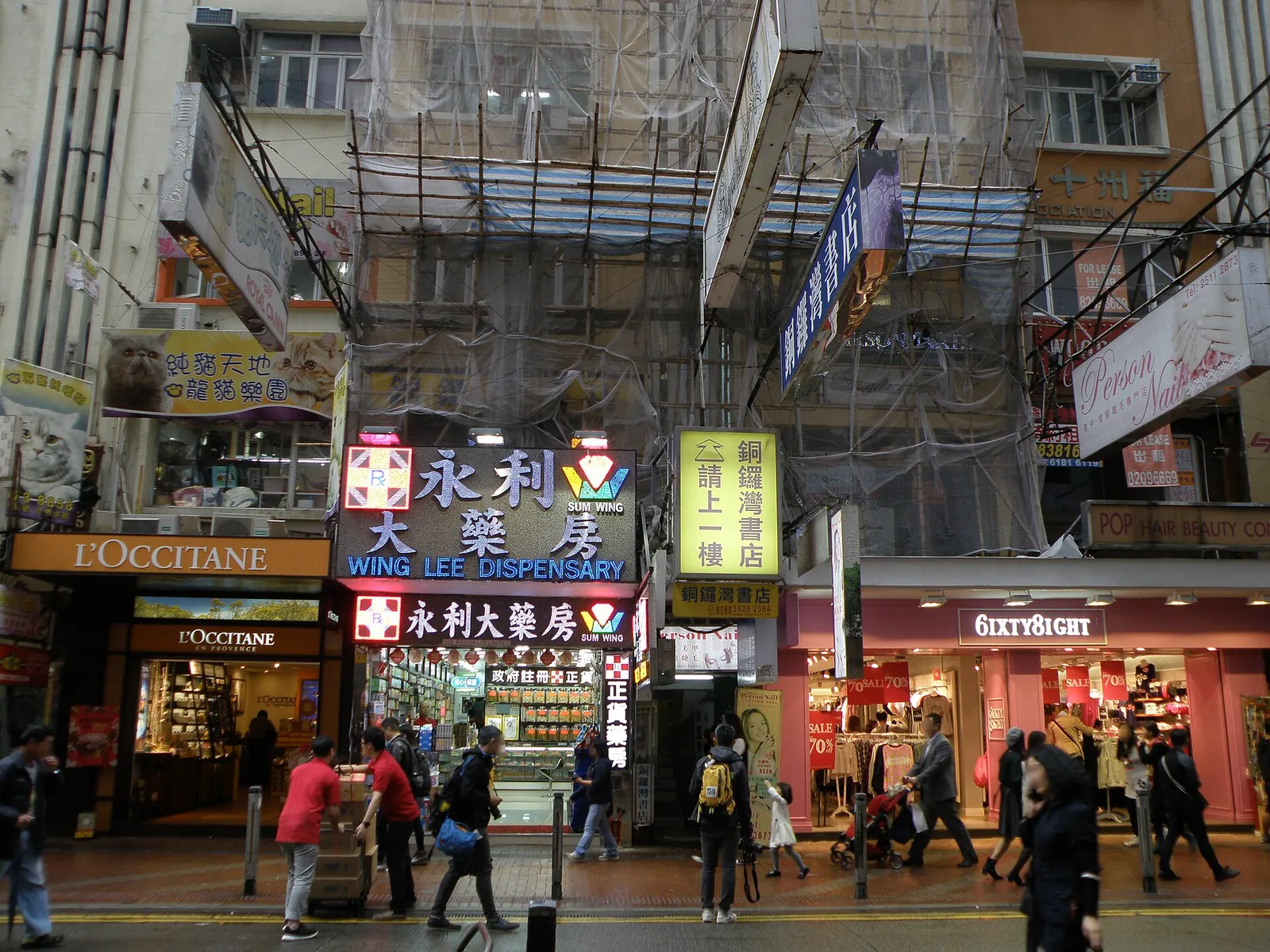
Lam ran Causeway Bay Books, a small Hong Kong shop that specialized in the kind of politically sensitive titles — often gossipy or critical accounts of China's leadership — that were banned across the border but sold freely under Hong Kong's separate legal system. That trade made the store, and its staff, a target.
In late 2015, Lam and four colleagues connected to the bookshop and its publisher vanished, one after another, in circumstances that alarmed governments and rights groups worldwide, NPR reported. The cases suggested that people could be spirited from Hong Kong — and, in at least one instance, from abroad — into mainland custody, an apparent breach of the "one country, two systems" arrangement meant to preserve the city's freedoms.
Lam himself was seized in 2015 while crossing into the mainland and held for more than 400 days. On his return, in a decision that took considerable courage, he went public with his account of the ordeal rather than staying silent, describing a detention that critics said exposed the limits of Hong Kong's autonomy.
Exile in Taiwan
As Beijing tightened its grip on Hong Kong, Lam concluded he was no longer safe there. In 2019, amid mass protests against a proposed law that would have allowed extraditions to the mainland — the very fate he feared — he left for Taiwan. There, in the face of what he described as threats, he eventually reopened Causeway Bay Books, reviving the name in a small upstairs shop in Taipei as an act of defiance and continuity.
The reopened store became a modest landmark for those who saw in it a stand for the freedom to read and publish. For many in Hong Kong's diaspora, Lam's willingness to carry on — to keep selling the books that had made him a target — was a quiet form of resistance.
A symbol beyond himself
Lam's significance was always larger than one man or one shop. The bookseller disappearances of 2015 were an early, vivid sign of the pressures that would reshape Hong Kong over the following years, culminating in a sweeping national security law and a broad crackdown on dissent. His case became shorthand, internationally, for concerns that the guarantees made to Hong Kong were eroding.
He did not seek that role, but he accepted it, speaking out when others could not or would not. In doing so he put a human face on an abstract fear: that the line between Hong Kong's freedoms and the mainland's controls was thinner than it appeared.
What his death marks
Lam's passing, in exile and from illness rather than the pressures that drove him abroad, closes a chapter in a story that is far from over. Hong Kong today is a very different place from the one where his bookshop once did business openly, and the questions his case raised — about free expression, about the durability of promises, about the cost of speaking out — remain unresolved.
For those who followed his ordeal, he will be remembered less for the books he sold than for what he came to represent: the stubborn insistence, against considerable risk, that certain freedoms are worth defending even when defending them is dangerous. He rebuilt his shop far from home, and kept its doors open to the end.