For more than two centuries, the pressed plants and fungi held at Kew could be studied only by those able to travel to its herbarium in London. Now, anyone, anywhere, can call them up on a screen.
A collection unlocked
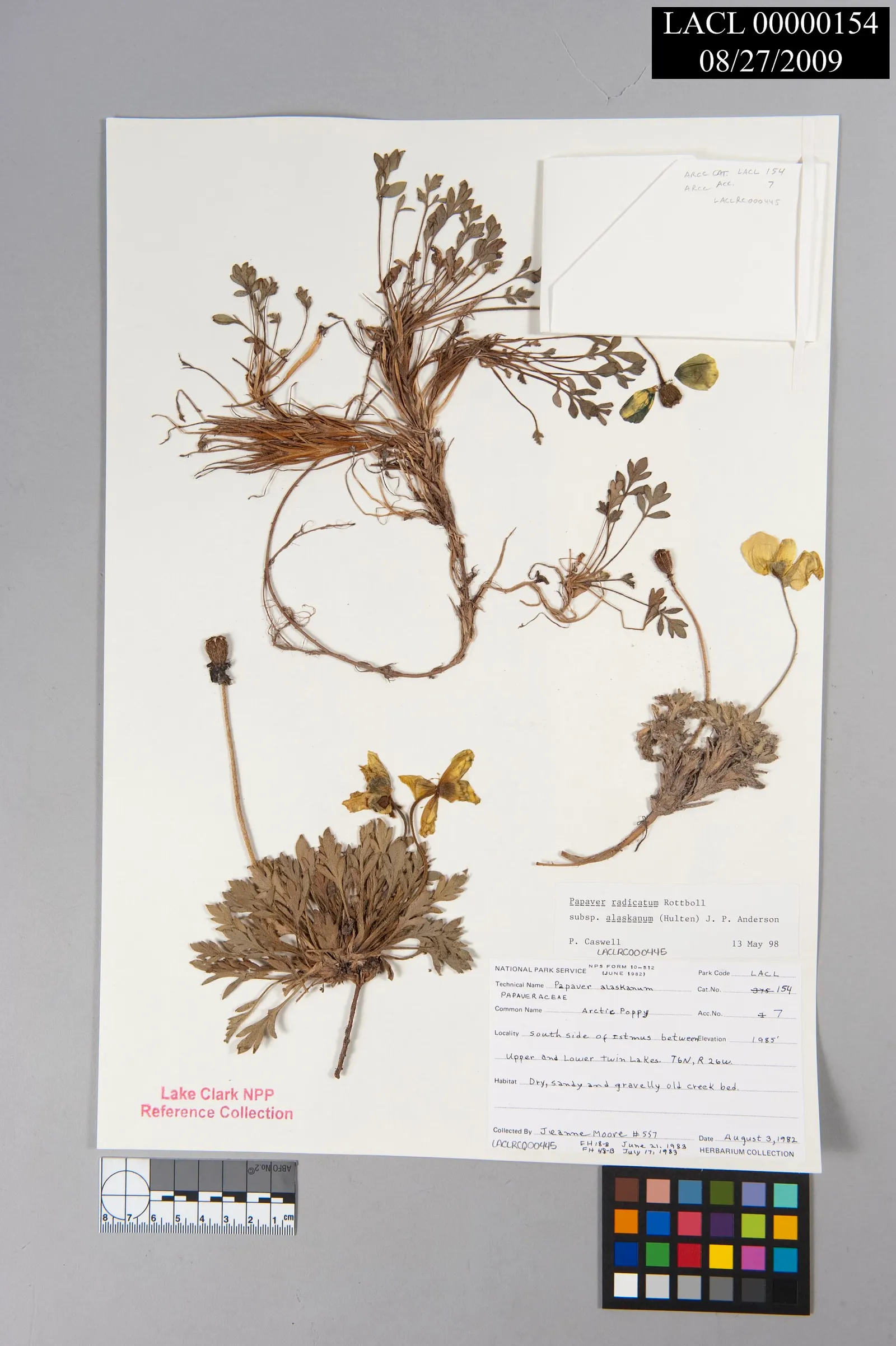
The Royal Botanic Gardens, Kew, has completed a four-year project to photograph and database all 7.4 million specimens in its Herbarium and Fungarium, Nature reported, and has made them freely available through a new online data portal. The images are also searchable via the Global Biodiversity Information Facility, a worldwide hub for natural-history records. Each specimen has been captured not just as a picture of the pressed plant but with its handwritten labels — the record of where, when and by whom it was collected.
The undertaking, funded principally by the UK government, drew on around a hundred staff and dozens of volunteers working with high-resolution cameras, according to Scientific American, which reported the effort cost some £15 million.
Why digitizing dead plants matters
Putting a centuries-old, fragile collection online does more than save researchers a trip. It lets scientists who could never afford to visit — including many in the countries where the specimens were originally gathered — study them without risk of damaging irreplaceable originals. "It will help democratize access," Kew's director of science, Alexandre Antonelli, said of the project.
The records are also a kind of time machine. Specimens collected across continents and centuries show how plants' ranges have shifted, how species have responded to a changing climate, and which have vanished — vital evidence at a moment when a large share of the world's plant species are thought to be at risk of extinction.
Feeding the next discovery
Gathered into a single searchable archive, millions of specimens become something more than a museum. Researchers can now analyze them in bulk, and artificial-intelligence tools can sift the images and data to flag potential new species, estimate extinction risk and detect patterns no individual scientist could spot. Kew tied the milestone to its 2026 State of the World's Plants and Fungi report, which examined how digitization and AI could reshape the study and protection of nature.
Part of a wider race
Kew is far from alone. Museums and herbaria around the world are racing to digitize natural-history collections, in part before aging specimens deteriorate, building an unprecedented shared record of life on Earth. Together, those efforts are turning scattered cabinets of pressed plants and pinned insects into a global resource — one that scientists hope will sharpen the response to biodiversity loss in the decades ahead.