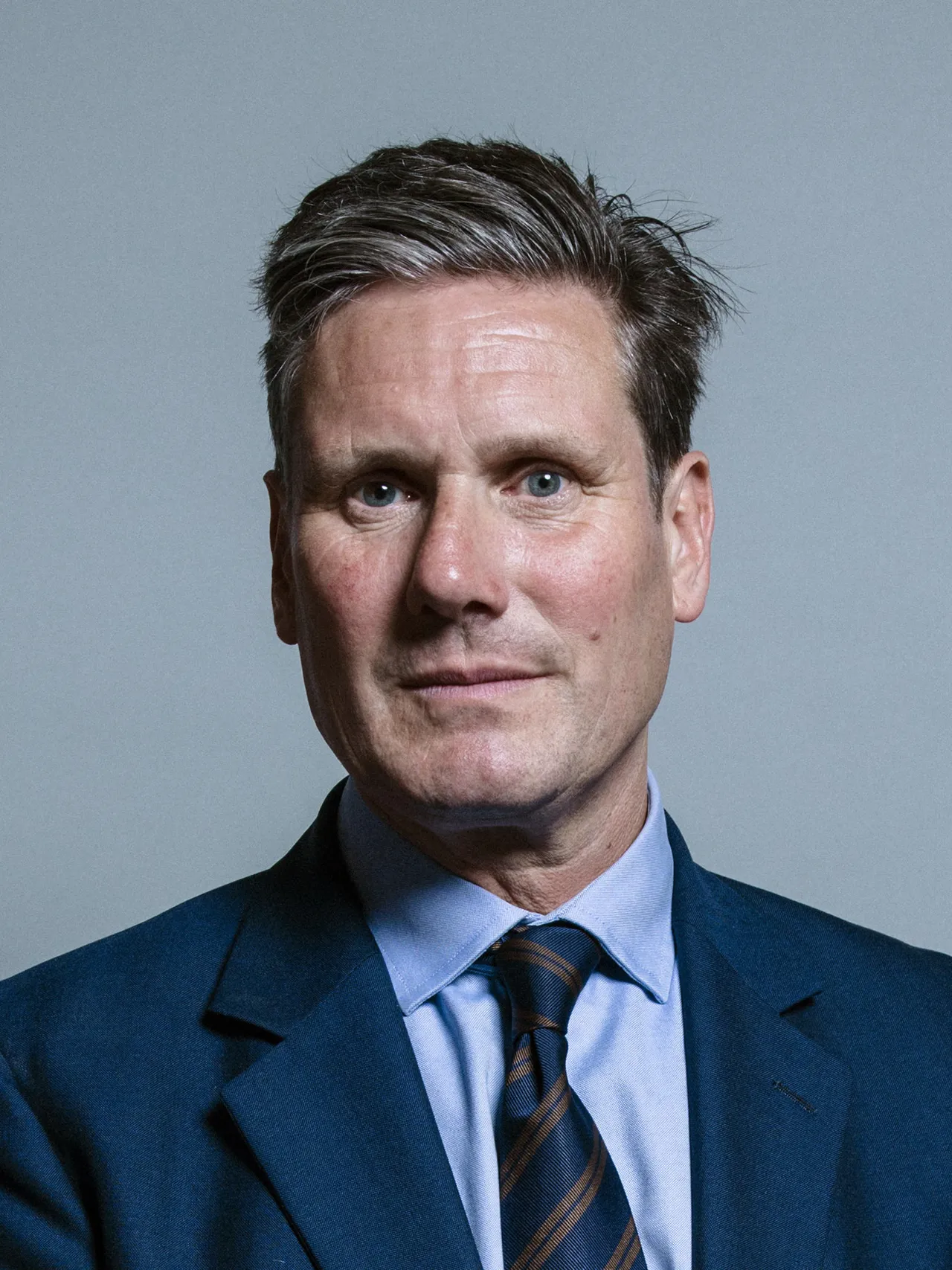
Sir Keir Starmer said on Sunday that he would step down as Britain's prime minister and leader of the Labour Party, ending a premiership of less than two years and setting off a contest to choose the country's next leader.
Starmer said he would remain in office until Labour elects a successor, according to CNN and NPR. His departure paves the way for what NPR described as the United Kingdom's seventh prime minister in roughly a decade — a measure of the political turbulence that has gripped Westminster since the Brexit era.
Why he is going
Starmer acknowledged that his party had come to question "whether I am best placed to lead us into the next general election," and said he "accepts that answer with good grace," yielding to sustained pressure from his own lawmakers, CNN reported.
The decision followed a run of damaging results at the ballot box. Labour suffered heavy losses in local elections in 2025 and again in 2026, defeats that hardened doubts on the party's benches and culminated in a leadership crisis that began in May, according to Wikipedia's account of the events. Starmer's personal standing had also collapsed: his net approval rating, slightly positive when he took office, had fallen to an average of around −46 percent by November 2025, and an Ipsos poll that month found him the least popular prime minister in its records dating back to 1977.
What happens next
Starmer said he would ask the party to set out a timetable for the leadership election, with nominations opening on July 9 and the contest expected to conclude before Parliament breaks for the summer recess, CNN reported. The winner will become prime minister without a general election, as the party that commands a majority in the House of Commons.
Andy Burnham, the former mayor of Greater Manchester who recently returned to the Commons, confirmed on social media that he would seek to succeed Starmer and has been widely described as an early frontrunner. Other figures on the party's front bench are expected to weigh bids as the timetable becomes clear, and the choice of leader will quickly raise questions about the future of senior ministers, including Chancellor Rachel Reeves.
A short, turbulent premiership
Starmer led Labour back to power in the 2024 general election, ending 14 years of Conservative-led government with a large parliamentary majority. But the scale of that victory belied a thin reservoir of public enthusiasm, and his government struggled to translate its Commons strength into popularity amid pressures over the economy and public services.
His resignation continues a pattern of instability at the top of British politics, in which successive prime ministers — Conservative and now Labour — have left office mid-term rather than at the ballot box. For Labour, the immediate task is to choose a successor quickly and without deepening the divisions that brought Starmer down; for the country, it means another change of leader arrived at through a party contest rather than a national vote.