The history of the solar system is written in craters. An asteroid roughly 10 kilometers across helped end the age of the dinosaurs 66 million years ago; a rock only about 20 meters wide shattered windows over the Russian city of Chelyabinsk in 2013, injuring more than 1,500 people. Between those extremes lies the whole job of planetary defense — and, increasingly, the tools to do it.
Watching the sky
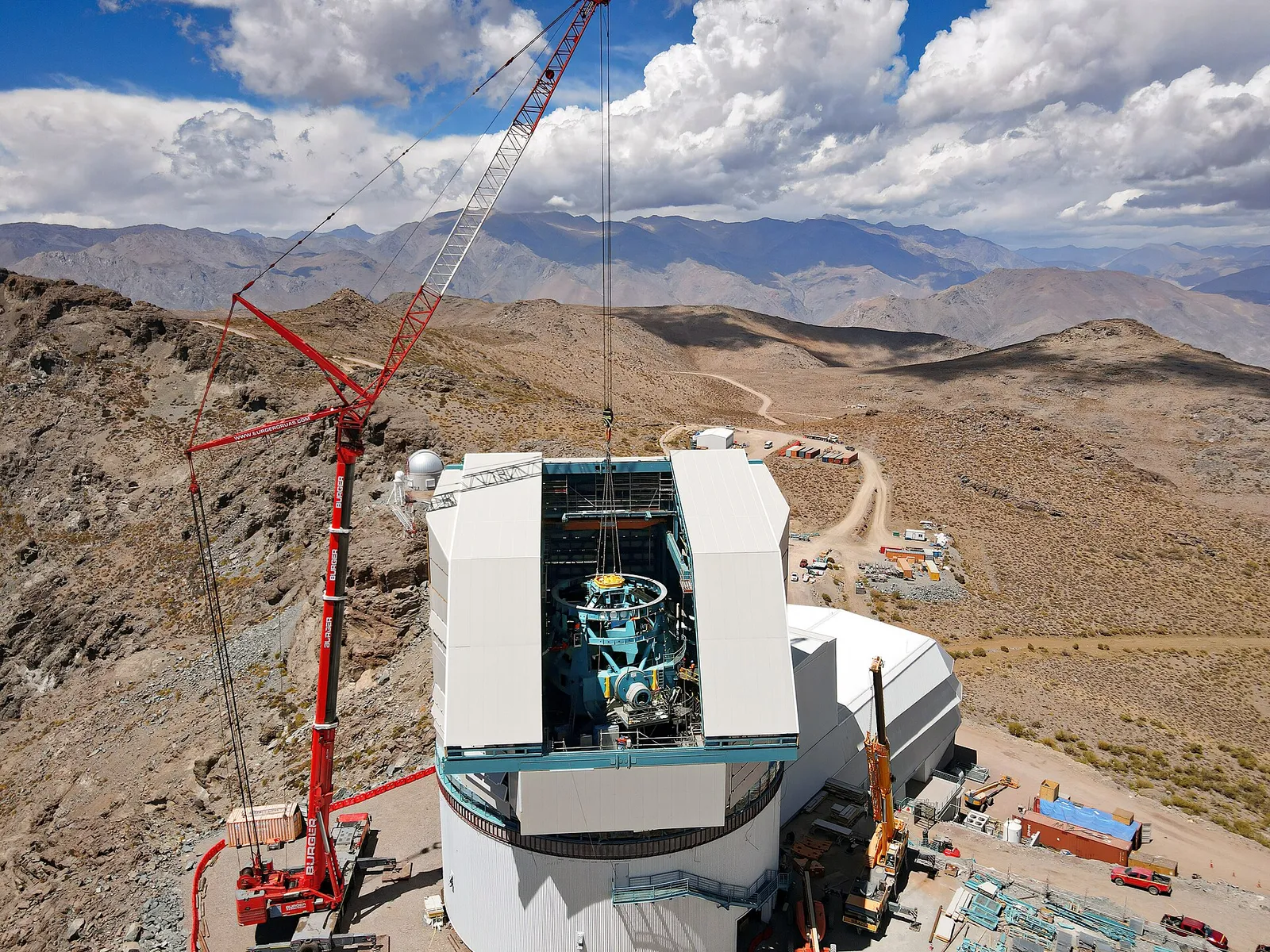
The first line of defense is detection. Survey telescopes such as the Catalina Sky Survey in Arizona and Pan-STARRS in Hawaii scan the night sky for points of light that move against the stars, adding roughly a couple of thousand near-Earth objects to the catalog each year. NASA's Planetary Defense Coordination Office and the European Space Agency's Near-Earth Object Coordination Centre pool these observations and track the known population.
But ground telescopes only see at night and can be blinded by the Sun's glare. To close that gap, NASA is building NEO Surveyor, an infrared space telescope designed to spot asteroids — including those approaching from the Sun's direction — that surveys on the ground routinely miss.
Reading the odds
When a new object turns up, automated systems such as NASA's Sentry immediately project its orbit a century forward, looking for any path that crosses Earth. Risk is communicated on the Torino Scale, which runs from 0 (no hazard) to 10 (certain global catastrophe). Almost every flagged object falls back to 0 within days as more observations sharpen its orbit.
Asteroid 2024 YR4 showed how the process works — and why it can be nerve-racking. Discovered in late 2024, it briefly reached a Torino rating of 3, with early estimates giving it around a one-in-83 chance of hitting Earth in 2032, the highest such reading in roughly two decades. As astronomers gathered more data, the impact probability collapsed to near zero, and a small residual chance of striking the Moon was later ruled out too. The system caught a possible threat early and then resolved it — exactly as intended.
Hitting back with physics
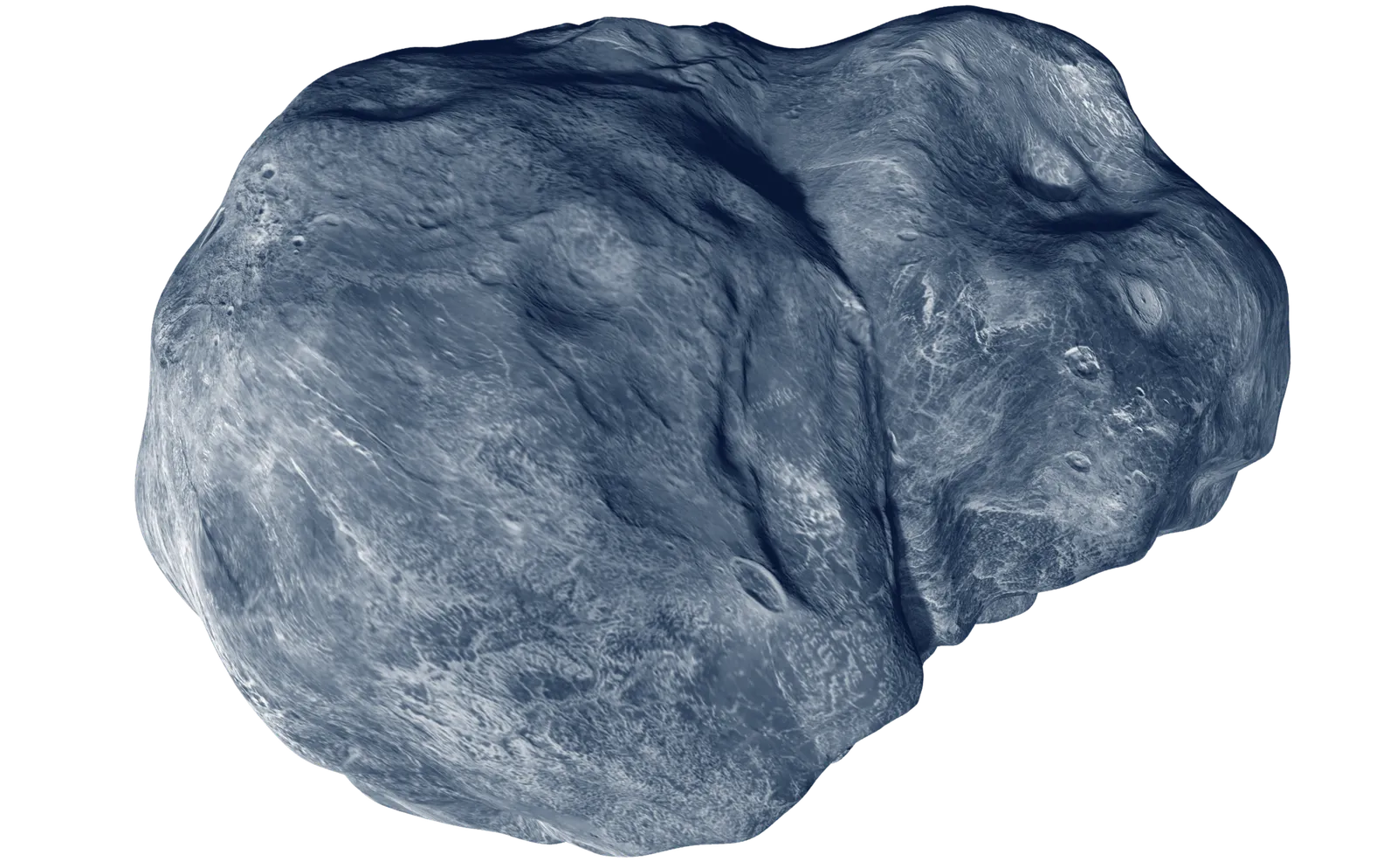
If a genuinely dangerous asteroid were ever confirmed, the proven tool is the kinetic impactor — a spacecraft used as a battering ram. In September 2022, NASA's DART mission struck Dimorphos, a small moonlet orbiting the asteroid Didymos, and shortened its orbit by about 33 minutes — far beyond the 73-second change that would have counted as success. The impact threw off a plume of debris that acted like a jet, boosting the nudge beyond what the spacecraft's mass alone could deliver. ESA's follow-up Hera mission, launched in 2024, is on its way to survey the crater and reveal what Dimorphos is made of — data essential to using the technique elsewhere.
For asteroids too large or too close for a single ram, scientists have other ideas, all requiring years of warning. A "gravity tractor" — a spacecraft flying alongside an asteroid — would use its own faint gravity to tug the rock onto a new path over time. An "ion beam" craft would fire charged particles at the surface to nudge it without touching it. As a last resort, a nuclear blast set off near (not on) an asteroid could vaporize surface material and generate a powerful recoil — an option ringed with treaty constraints and the risk of breaking one hazard into several.
Time is the real weapon
What planetary-defense scientists stress most is not hardware but lead time. Given a decade or more of warning, a single kinetic impactor could likely deflect a city-threatening object of around 100 meters. Given only a year or two, the options narrow quickly toward simultaneous missions and, at some threshold, evacuation planning. The physics of nudging an asteroid is increasingly well understood; the battle, researchers say, is won by finding the rock early. Every extra year of warning buys more ways to act.