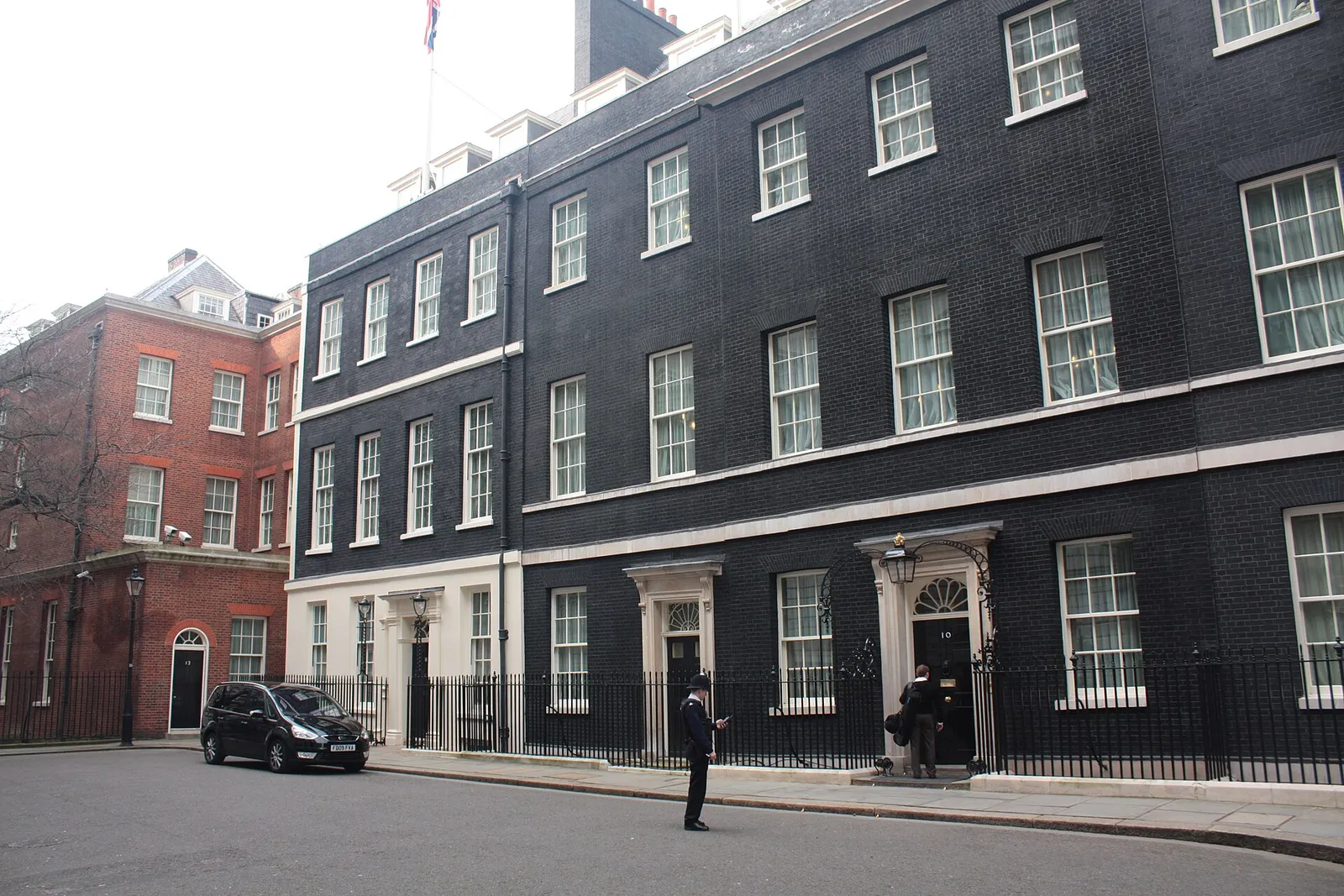
Sir Keir Starmer announced on Sunday that he would step down as leader of the governing Labour Party and as prime minister, asking the party to begin a contest to replace him. Whoever Labour chooses will become the United Kingdom's next prime minister — and, crucially, will do so without the country going to the polls.
Why there is no general election
In the UK's parliamentary system, the prime minister is the person who can command a majority in the House of Commons, not someone chosen directly by voters. When a governing party that holds a Commons majority changes its leader, the new leader inherits that majority and is appointed prime minister by the monarch, with no general election required, the House of Commons Library explains. It is why the UK has had several prime ministers in recent years without each one facing a national vote. Starmer has said he will stay on as caretaker prime minister until Labour selects his successor.
Step one: getting on the ballot
To stand, a candidate must clear nomination thresholds set out in Labour's rulebook. The first hurdle is support from Labour MPs: a contender needs nominations from at least 20 percent of the Parliamentary Labour Party, according to the Institute for Government. That threshold was raised from 10 percent at Labour's 2021 conference, the House of Commons Library notes.
Candidates who clear the MP threshold must then also secure backing from either 5 percent of local constituency Labour parties or at least three affiliated organisations — at least two of them trade unions — representing 5 percent of affiliated membership. If only one candidate qualifies, that person becomes leader automatically, and no membership vote is held.
Step two: one member, one vote
If more than one candidate qualifies, the choice goes to a ballot of the wider Labour movement under a "one member, one vote" system. Labour adopted that system in 2014, replacing an older "electoral college" that had divided the vote into thirds between MPs, party members and affiliated supporters; it was first used in the 2015 contest.
Under the current rules, full party members and members of affiliated organisations such as trade unions each cast a single vote, and MPs vote only as ordinary members, so they are heavily outnumbered. Voting uses the alternative vote, a ranked system: if no candidate wins more than 50 percent of first preferences, the last-placed candidate is eliminated and their voters' next preferences are redistributed until someone has a majority.
Who sets the clock
The timing is decided by Labour's National Executive Committee, the party's governing body; an outgoing leader can state a preferred schedule, but the committee sets the formal timetable. For this contest, nominations from MPs are expected to run from July 9 to July 16. If the race is contested, a members' ballot would follow, with a new leader expected to be in place by around the start of September. If only one candidate qualifies, the contest could conclude — and a new prime minister enter Downing Street — far sooner.
The field
Andy Burnham, the Greater Manchester mayor, returned to the Commons by winning the June 18 Makerfield by-election — a seat vacated specifically to let him stand, since party rules require a leadership candidate to be an MP. He has confirmed he is running and, as of this reporting, was the only declared candidate, raising the possibility of an uncontested race. Until nominations close, however, the final field remains unconfirmed.