As the United States struck Iranian targets for a second straight day, the fighting reached toward Iran's Gulf Arab neighbors: sirens sounded in Bahrain, and Kuwait's military said its air defenses were responding to incoming threats, according to Al Jazeera's live coverage.
Sirens and air defenses
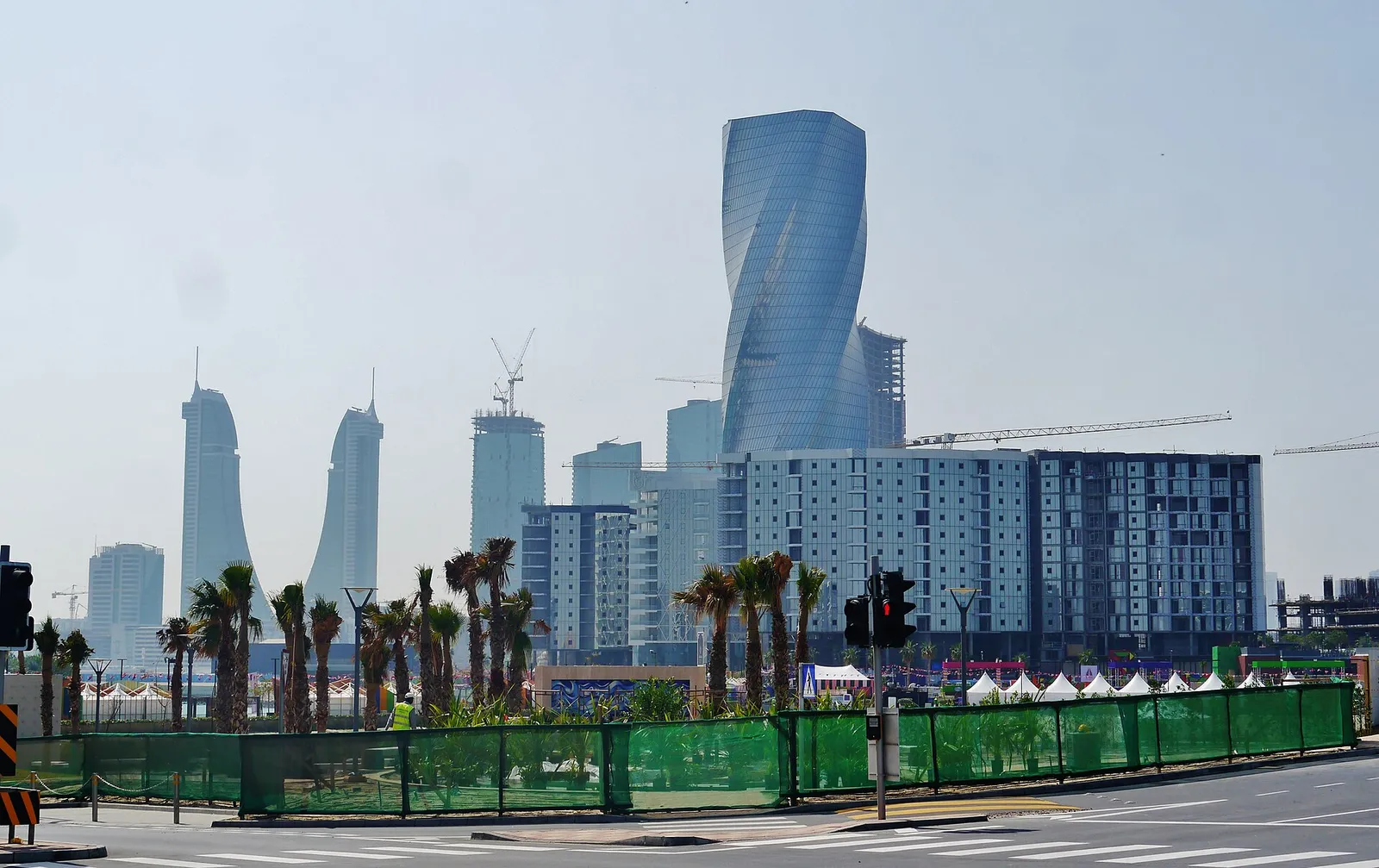
US forces bombed sites including the port of Sirik and Iran's Qeshm Island for a second day, Al Jazeera reported. Across the Gulf, Bahrain activated air-raid sirens and urged residents to move to safety, while Kuwait's armed forces said their air defenses were "confronting hostile missile and drone" threats — a pattern seen earlier in the conflict, when Iran's Islamic Revolutionary Guard Corps said it had targeted US forces at Bahrain's naval base and the Ali Al Salem air base in Kuwait. The precise origin and outcome of Saturday's threats were not independently confirmed.
Why the Gulf is exposed
The Gulf monarchies sit at the heart of America's military presence in the region, which makes them potential targets whenever Washington and Tehran trade fire. Bahrain hosts the US Navy's Fifth Fleet; Kuwait, Qatar and the United Arab Emirates also host major US bases, including the sprawling Al Udeid Air Base in Qatar. Iran has long argued that Arab states hosting US forces share responsibility for American military actions launched from or near their territory — an argument those governments reject. Gulf officials have generally framed any strikes on their soil as violations of their sovereignty and territorial integrity.
A narrow path between Washington and Tehran
The conflict leaves Gulf governments in an acutely difficult position. Each is a close security partner of the United States, yet each also maintains economic and diplomatic ties with Iran and shares an overriding interest in keeping the Gulf calm and its waters open. None of the Gulf Cooperation Council states has publicly endorsed the US strikes or called for them to widen, and several have pressed for de-escalation.
Oman, which sits across the Strait of Hormuz from Iran and has often served as a quiet channel between Washington and Tehran, reaffirmed its support for the diplomatic framework the two sides had reached to ease tensions in the strait and urged that its goals be preserved.
The economic stakes
The danger is not only military. The Strait of Hormuz, the narrow channel at the mouth of the Gulf, carries roughly a fifth of the world's oil, and disruption there ripples quickly into global energy prices — which jumped in the opening days of the fighting before easing. For the Gulf's export-dependent economies, and for importers far beyond the region, a prolonged crisis in these waters is a threat in its own right. Gulf capitals, caught between a superpower ally and a powerful neighbor, are pressing for a rapid return to diplomacy rather than an open-ended war on their doorstep.