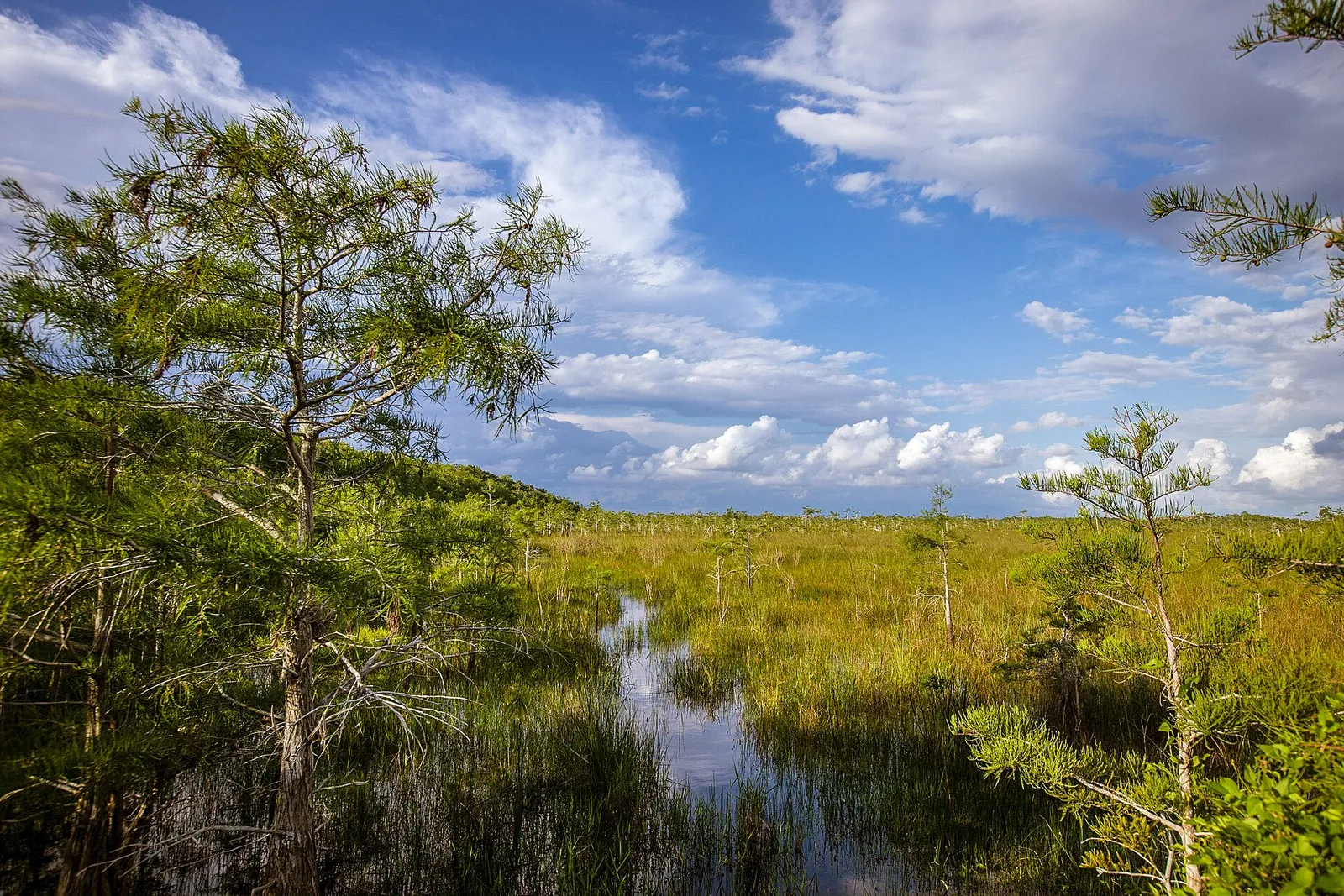
A Florida immigration detention camp built in the Everglades and nicknamed "Alligator Alcatraz" has closed less than a year after it opened, the state's governor said, ending a project that drew legal challenges, environmental objections and complaints about conditions.
A camp in the swamp
The facility was opened in July 2025 at a remote airstrip in the Big Cypress National Preserve, west of Miami, as what state and federal officials called an emergency response to immigration enforcement needs, PBS NewsHour reported. President Donald Trump dubbed it "Alligator Alcatraz," a reference to the surrounding wetlands and their wildlife, and described it as a possible model for other states.
The official reasons for closing
Governor Ron DeSantis confirmed the closure, saying detainees had been transferred and that the site had "served its purpose" now that federal authorities had more permanent detention capacity. "We stepped up because there was a gap," he said. White House border official Tom Homan praised the state's role, ABC News reported.
State officials also cited the approaching hurricane season as making the low-lying Everglades location unsafe, and the cost of running it. Reporting put total state spending in the hundreds of millions of dollars, with daily operating costs far above those of standard federal facilities; DeSantis said Washington had committed to reimburse much of the expense. Some figures, including the total number of people held and the final cost, could not be independently confirmed.
Legal and environmental challenges
The facility was contested almost from the start. Environmental groups including Friends of the Everglades and the Center for Biological Diversity, joined by the Miccosukee Tribe, sued, arguing officials had skipped required environmental reviews before building on sensitive wetlands. A federal judge ordered operations wound down in 2025, though an appeals court later allowed the site to keep operating while litigation continued, CBS News reported. Separate lawsuits from immigration advocates alleged detainees lacked adequate access to lawyers.
Competing accounts of conditions
Detainees and their advocates described harsh conditions — problems with food, sanitation, heat and access to medical care and counsel — and a hunger strike was reported. Civil-liberties groups called the conditions unacceptable. State officials disputed those accounts, maintaining the facility met standards for an emergency site and processed people efficiently; DeSantis pointed to the thousands said to have passed through as evidence it met its goals. newsparlor could not independently verify the conditions described by either side.
What happens next
Remaining detainees were moved to facilities in several other states, which advocates said would make legal access harder. The temporary structures are expected to be dismantled, and the environmental lawsuit is expected to continue. DeSantis's office has signaled Florida intends to remain involved in federal immigration enforcement, having floated a second detention site. For critics, the closure ends one contested chapter; for its architects, it was a temporary measure that did its job.